
Bodhrans
What is a bodhran?
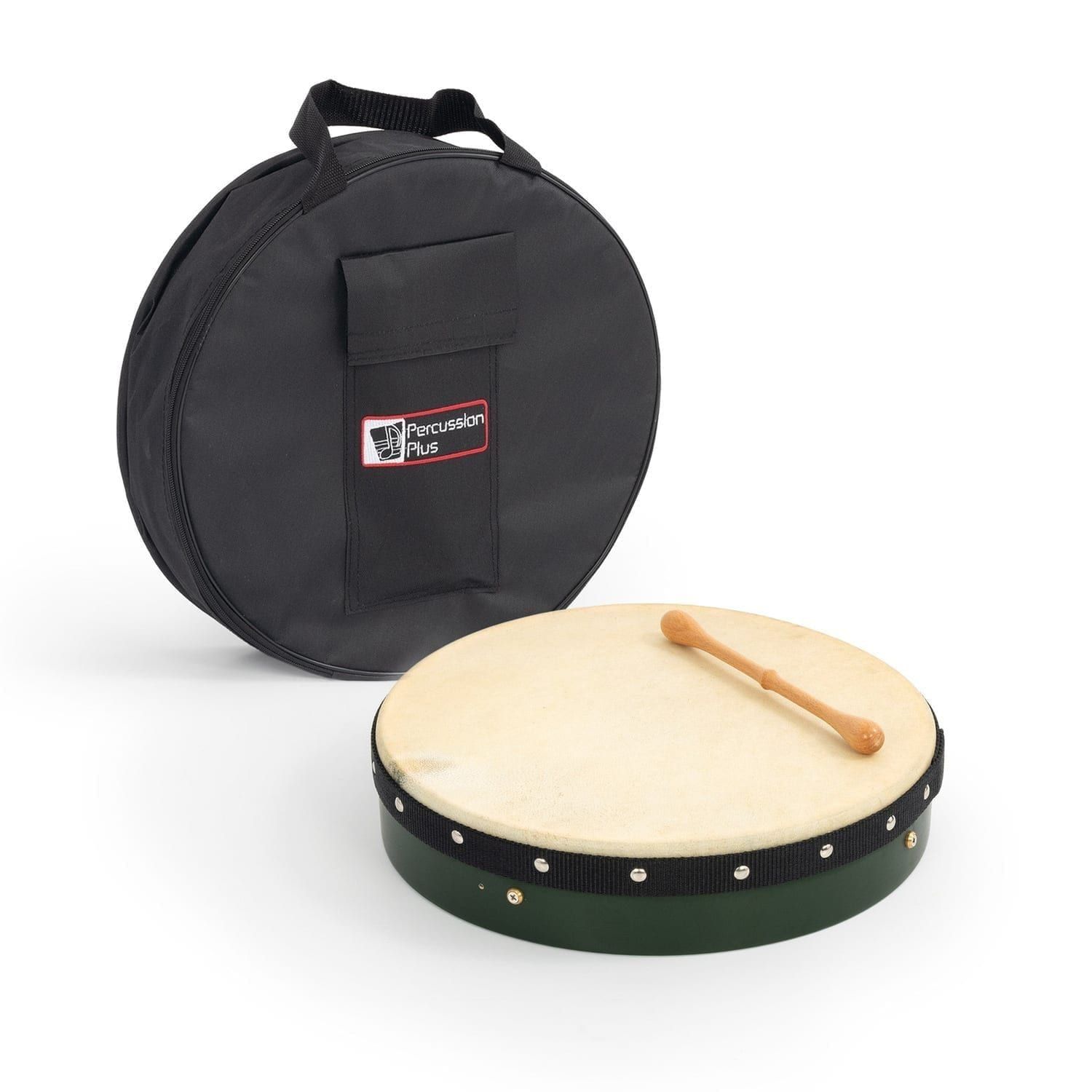
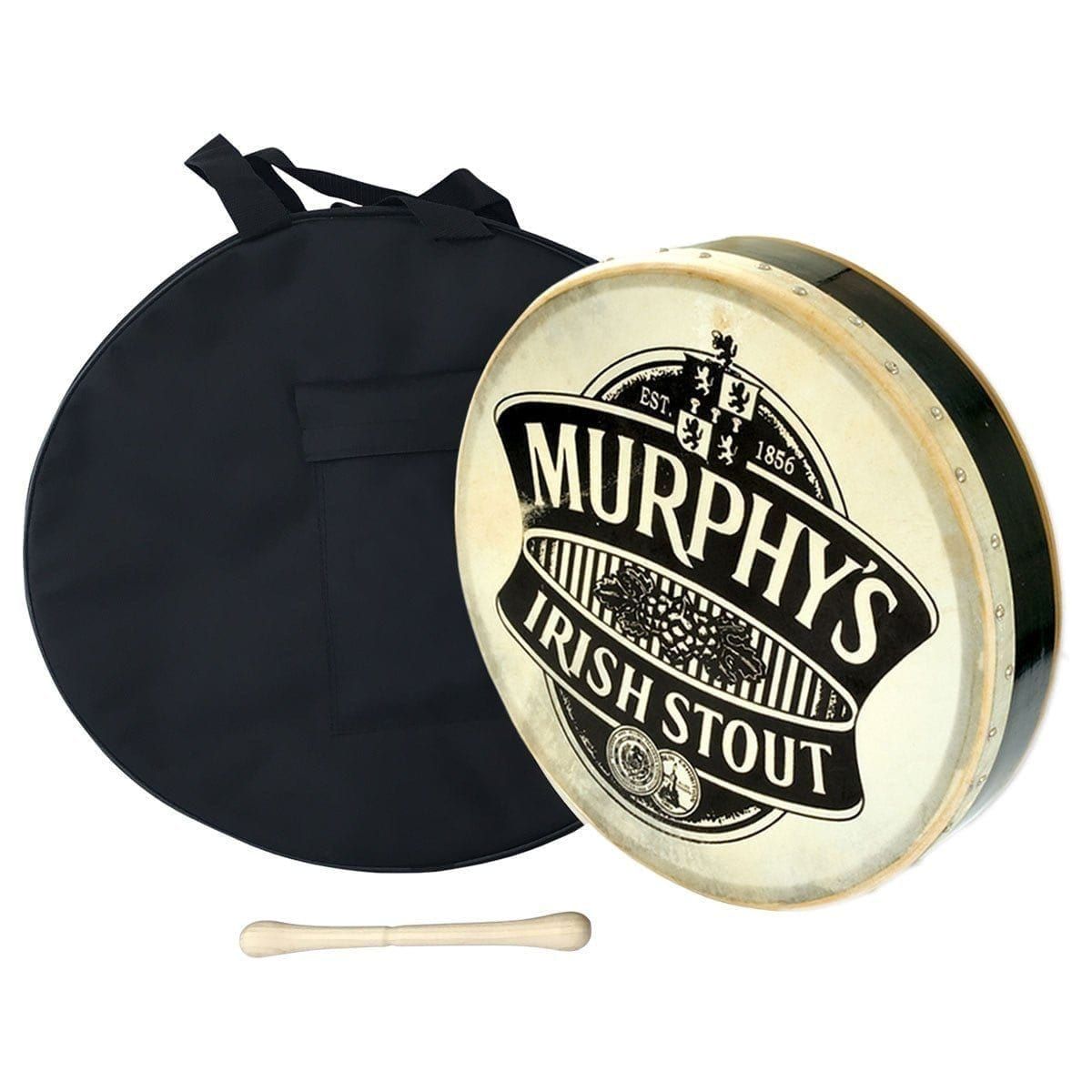
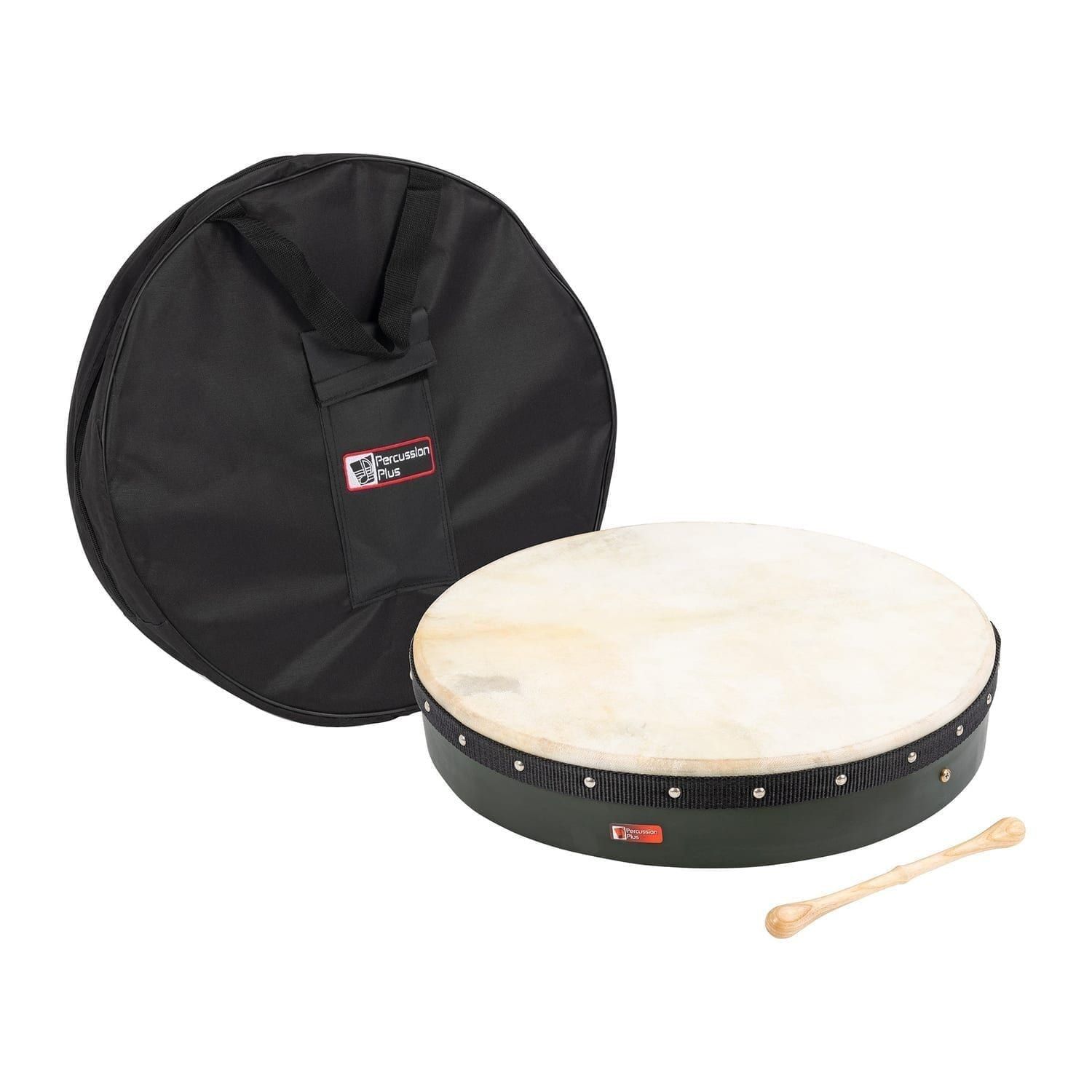
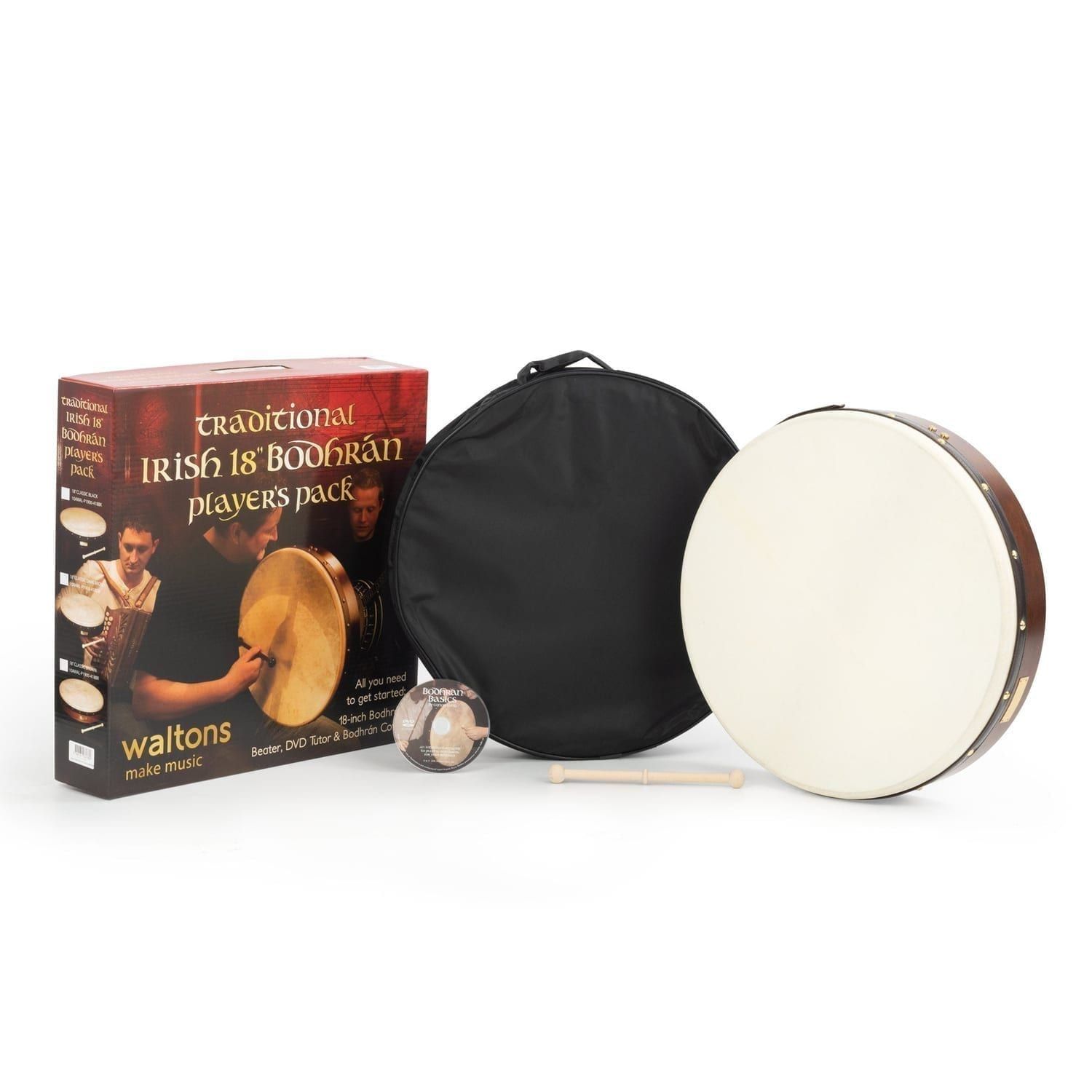
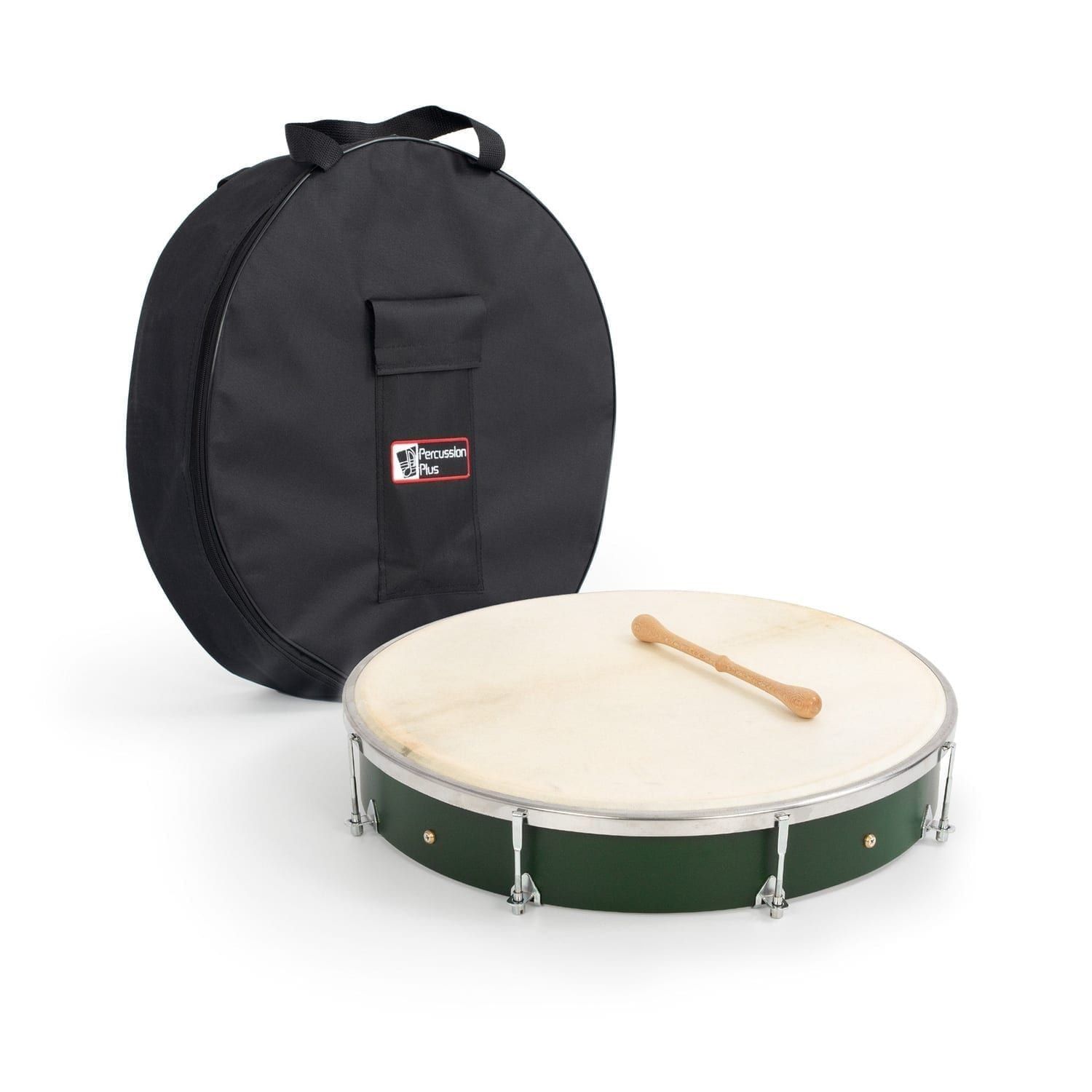
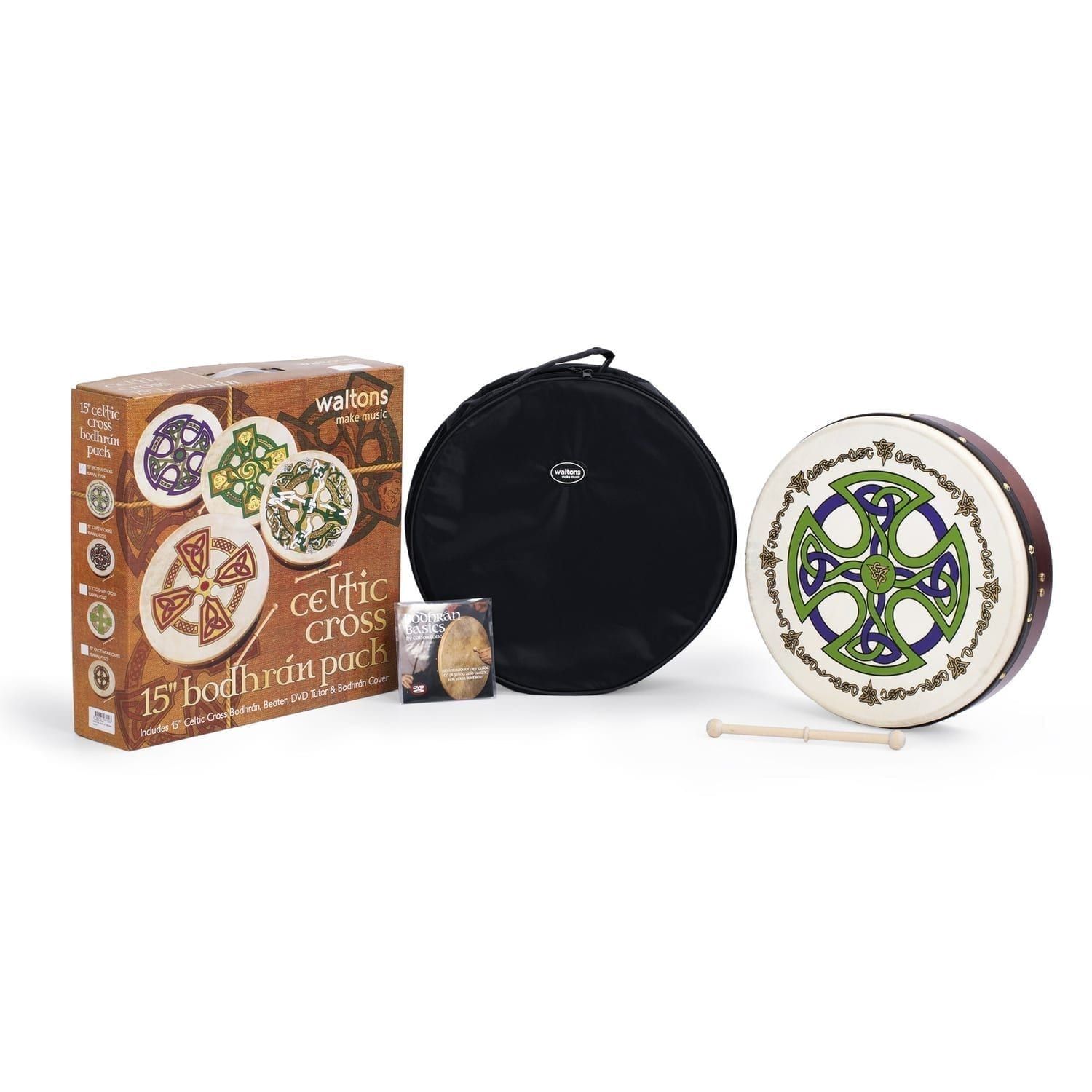
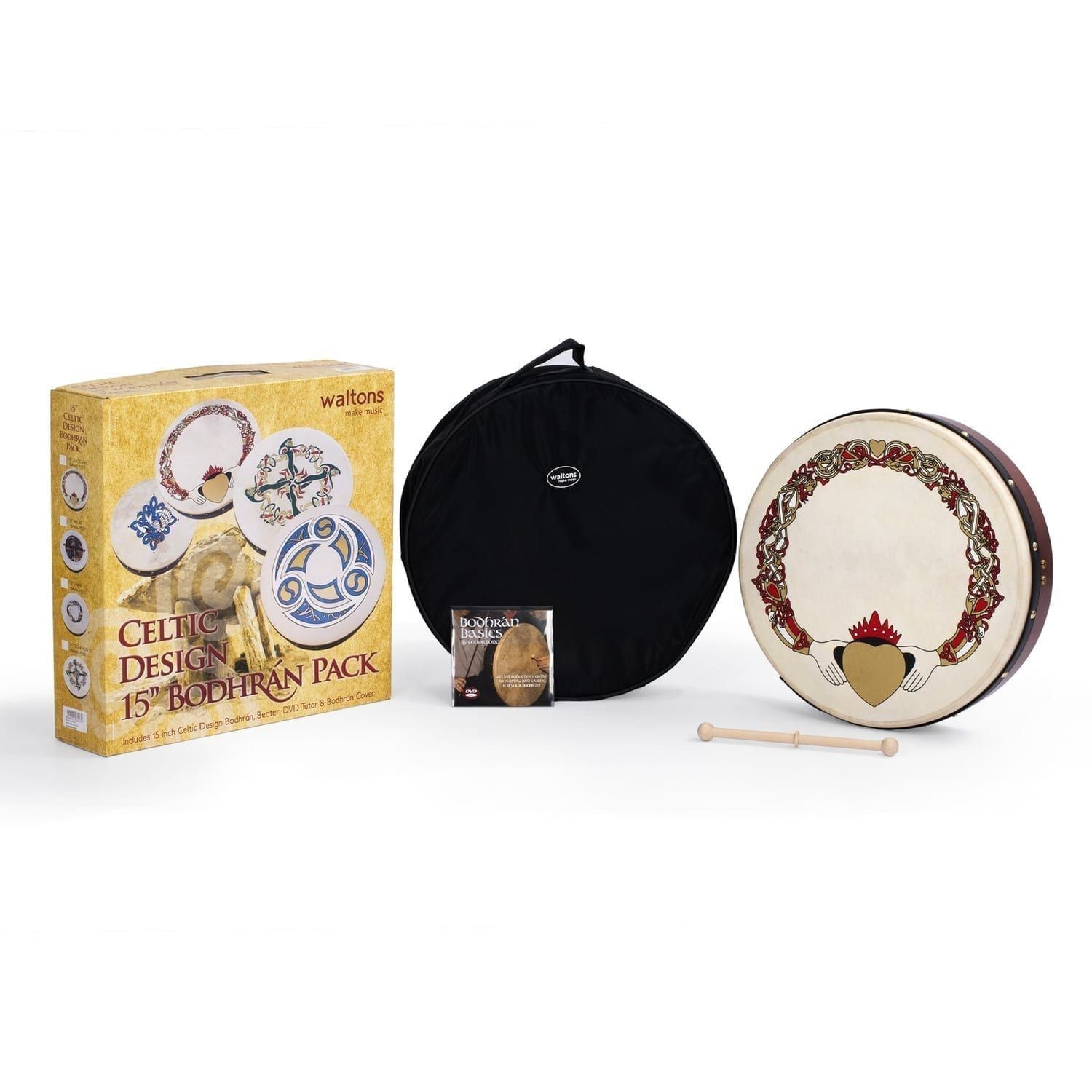
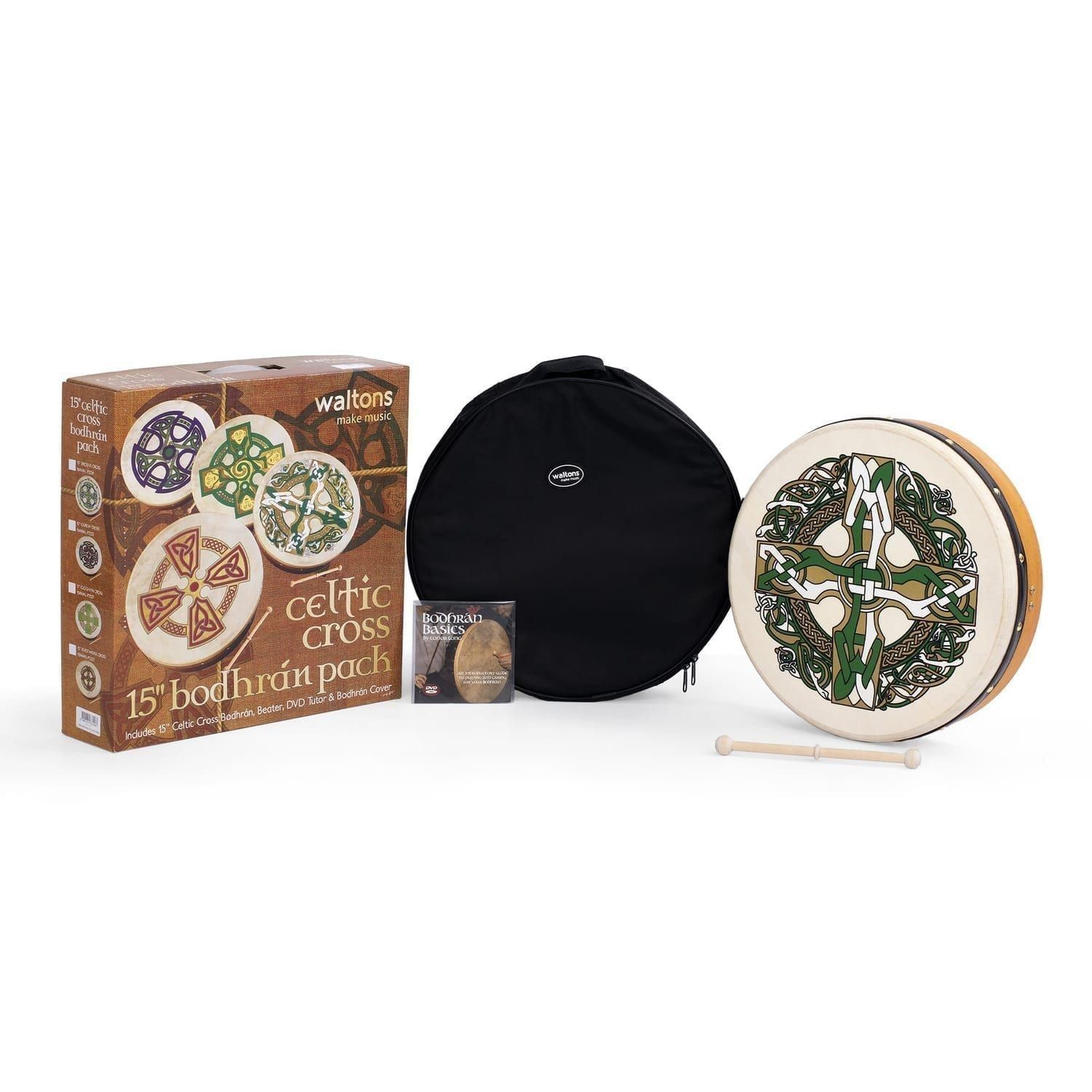
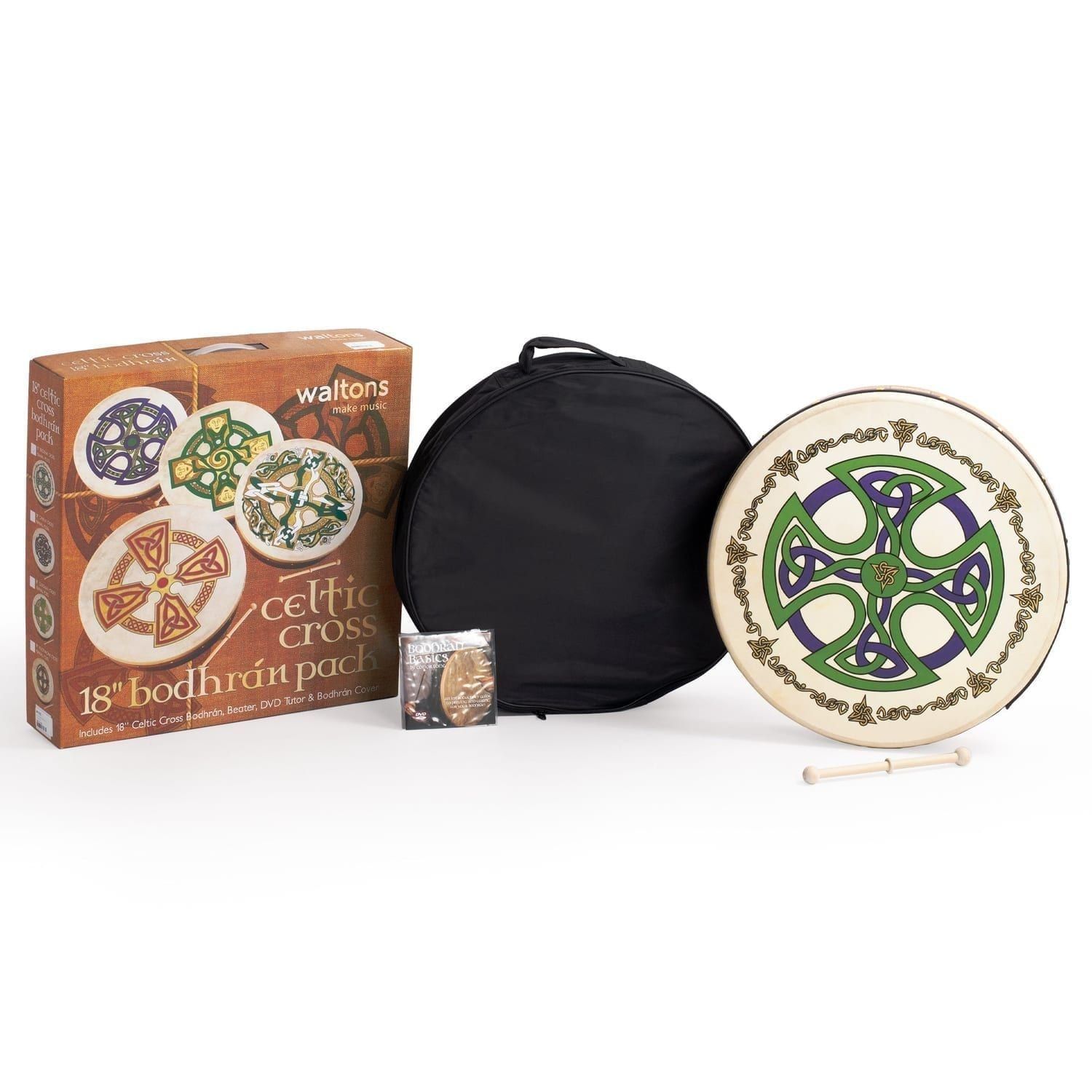
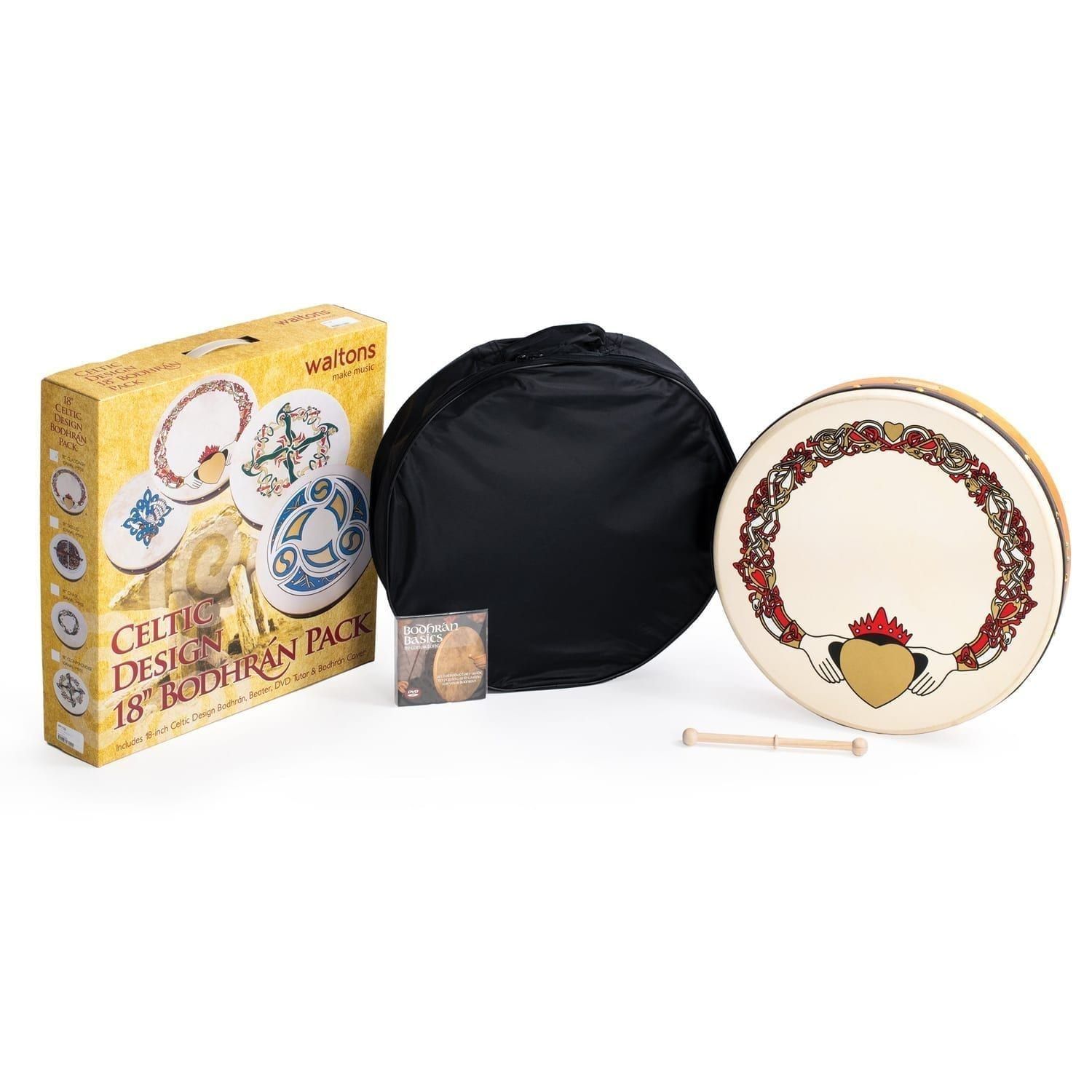
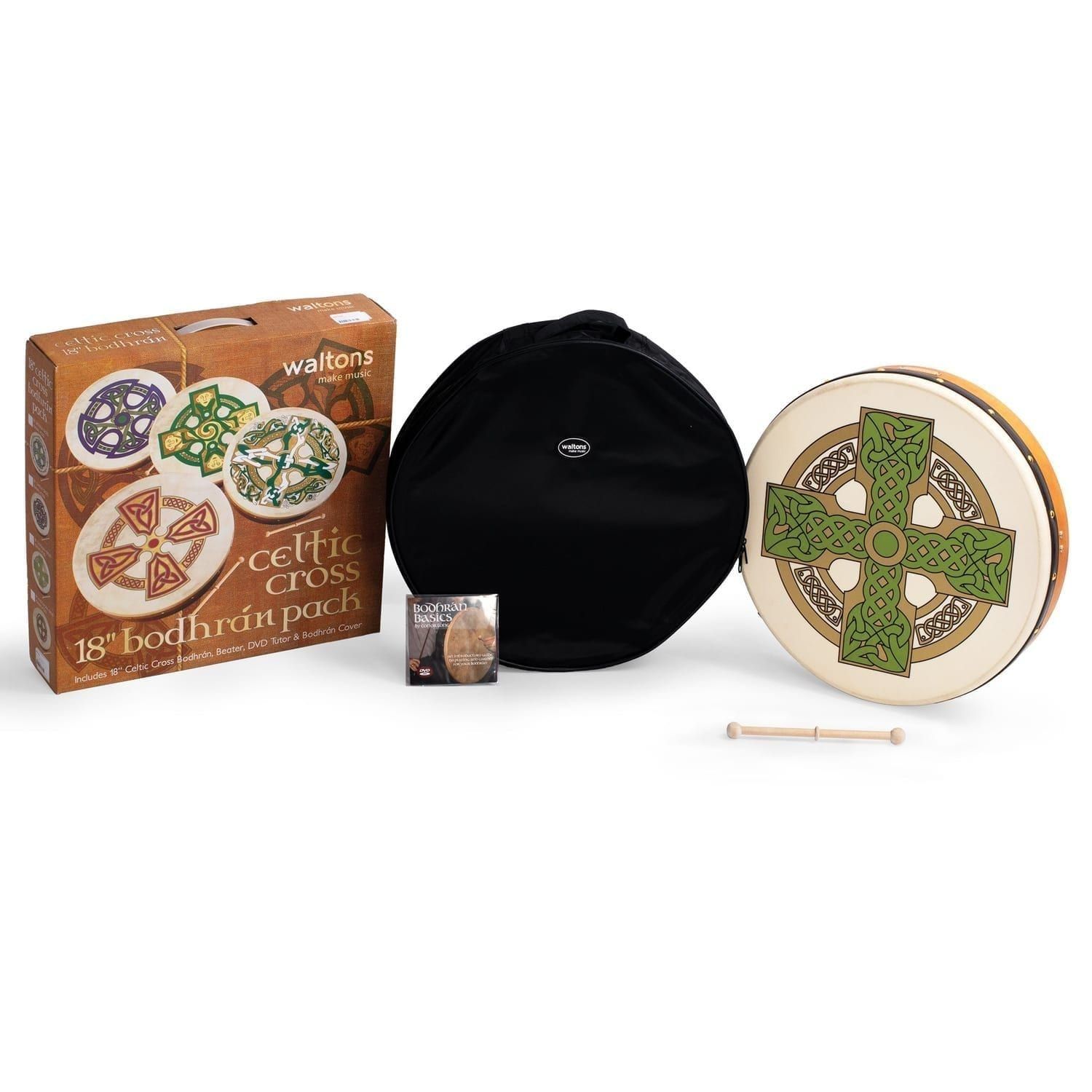
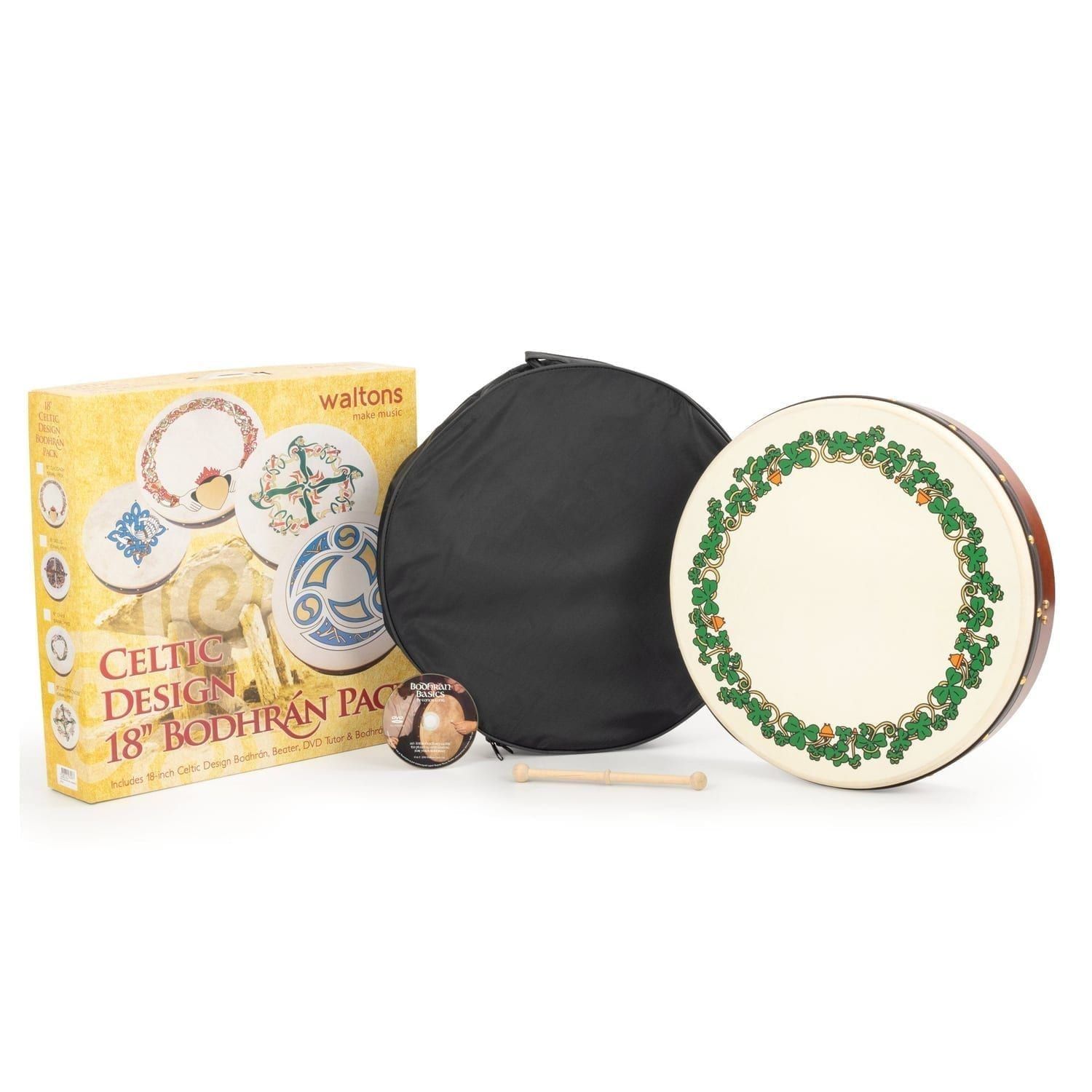
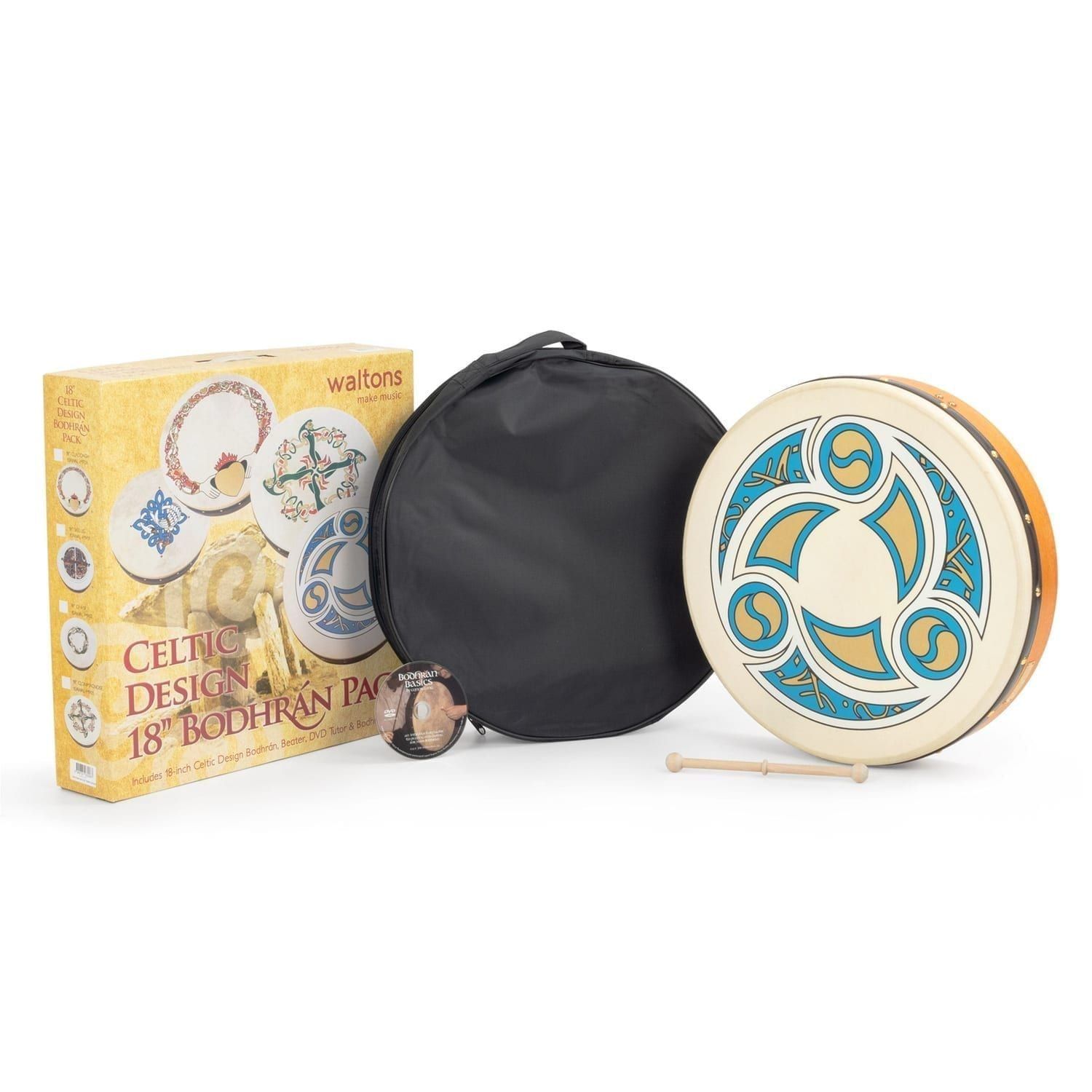
A bodhran is a shallow hand drum with a round wooden shell and a single skin head. Players hold it upright on the knee and strike the skin with a small double-ended beater called a bodhran tipper. The hand inside the frame presses on the head to bend the pitch and shape the tone, so even simple patterns sound musical.Bodhran Tippers and Beaters
The distinctive sound of the bodhran comes not just from its construction, but also from the tools used to play it. Most players use a bodhran tipper - sometimes called a beater - which is typically double-ended and crafted from hardwoods such as ebony or walnut. The weight, shape, and wood type of a tipper can subtly change the way rhythms sound and feel under your hand:- Ebony bodhran tippers are popular for their dense feel and crisp response, making them ideal for fast, articulate playing.
- Walnut bodhran beaters offer a slightly warmer, softer tone and are often chosen by beginners and experienced players alike.
Showing 16 results
About Bodhrans
What is a bodhran?
A bodhran is a shallow hand drum with a round wooden shell and a single skin head. Players hold it upright on the knee and strike the skin with a small double-ended beater called a bodhran tipper. The hand inside the frame presses on the head to bend the pitch and shape the tone, so even simple patterns sound musical.Bodhran Tippers and Beaters
The distinctive sound of the bodhran comes not just from its construction, but also from the tools used to play it. Most players use a bodhran tipper - sometimes called a beater - which is typically double-ended and crafted from hardwoods such as ebony or walnut. The weight, shape, and wood type of a tipper can subtly change the way rhythms sound and feel under your hand:- Ebony bodhran tippers are popular for their dense feel and crisp response, making them ideal for fast, articulate playing.
- Walnut bodhran beaters offer a slightly warmer, softer tone and are often chosen by beginners and experienced players alike.
Adjusting the Tension of Your Bodhran
The tension of your bodhran’s skin makes a big difference to its sound and feel. To loosen the skin and unlock a greater variety of tones, lightly rub a bit of clean water onto the inside (back) of the head. It doesn't take much - a little goes a long way, and you’ll soon get a feel for the right amount. In warm locations, the skin often tightens up as you play, so you might find yourself repeating this step if you’re in a toasty classroom or under stage lights. If you’ve gone a bit overboard with moisture (we’ve all been there) and the head feels too slack, there are easy fixes: briskly rub your palm over the drumhead to gently warm and tighten it, or carefully apply a little gentle heat with your hand or by briefly holding it near a warm radiator. Just be careful - not too hot, or you’ll risk damaging the skin. With a little practice, you’ll keep your bodhran in top playing condition, ready for everything from subtle jigs to full-on Celtic sessions.Preparing Your Bodhran Skin
Before you start playing, it’s a good idea to get your bodhran’s skin ready for action. Lightly moisten the back of the drumhead with a little clear water - just enough to let the skin relax and become more responsive. This step helps you achieve a richer range of sounds, as the skin will stretch slightly and unlock those dynamic Celtic rhythms. Keep in mind, if you’re playing somewhere warm, the drumhead tends to tighten up as you go. You might find yourself repeating this process as needed to keep your bodhran at its musical best. Aim for moderation - too much water can make the skin overly slack, so experience will soon show you just the right touch.The Bodhran’s Role in Irish Traditional Music
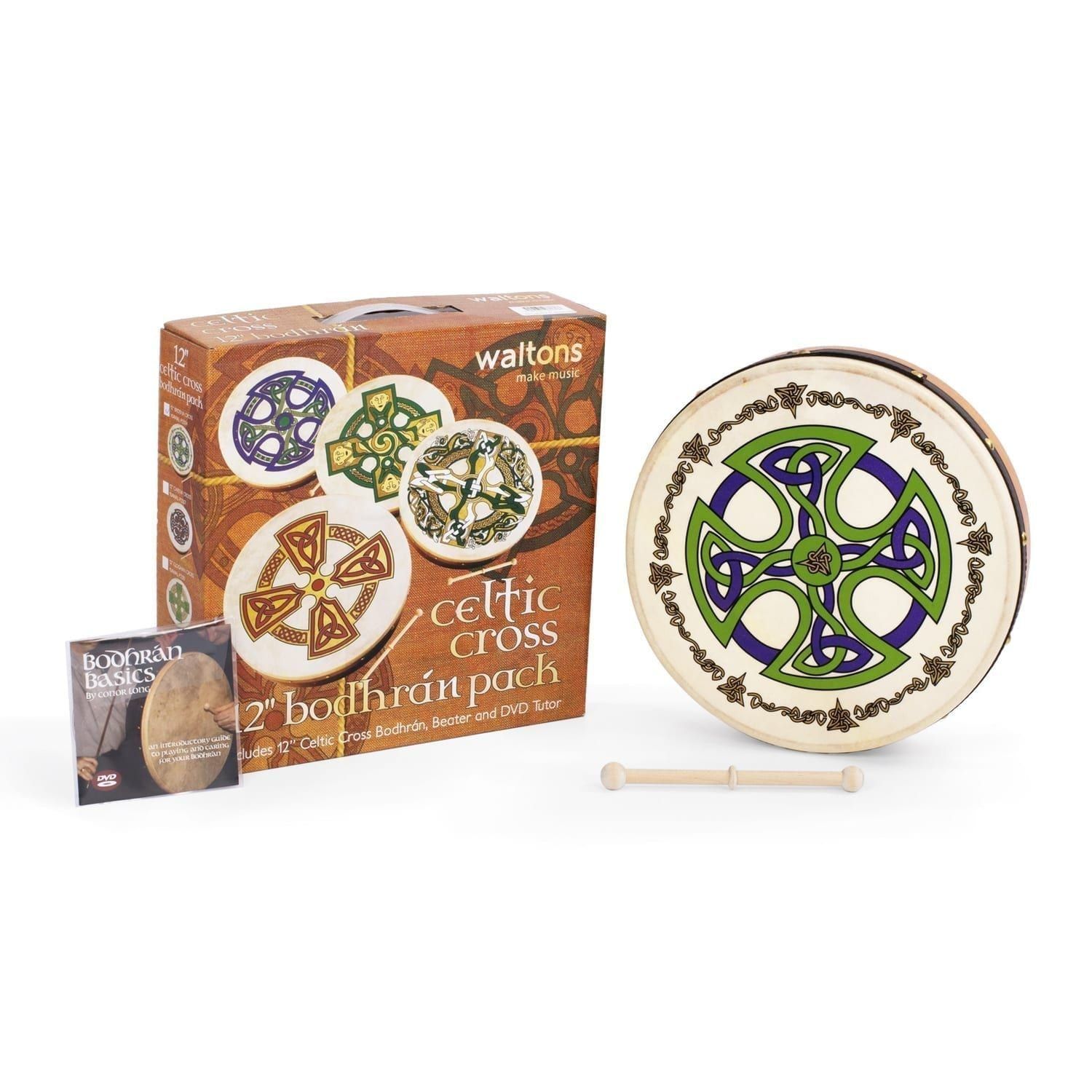
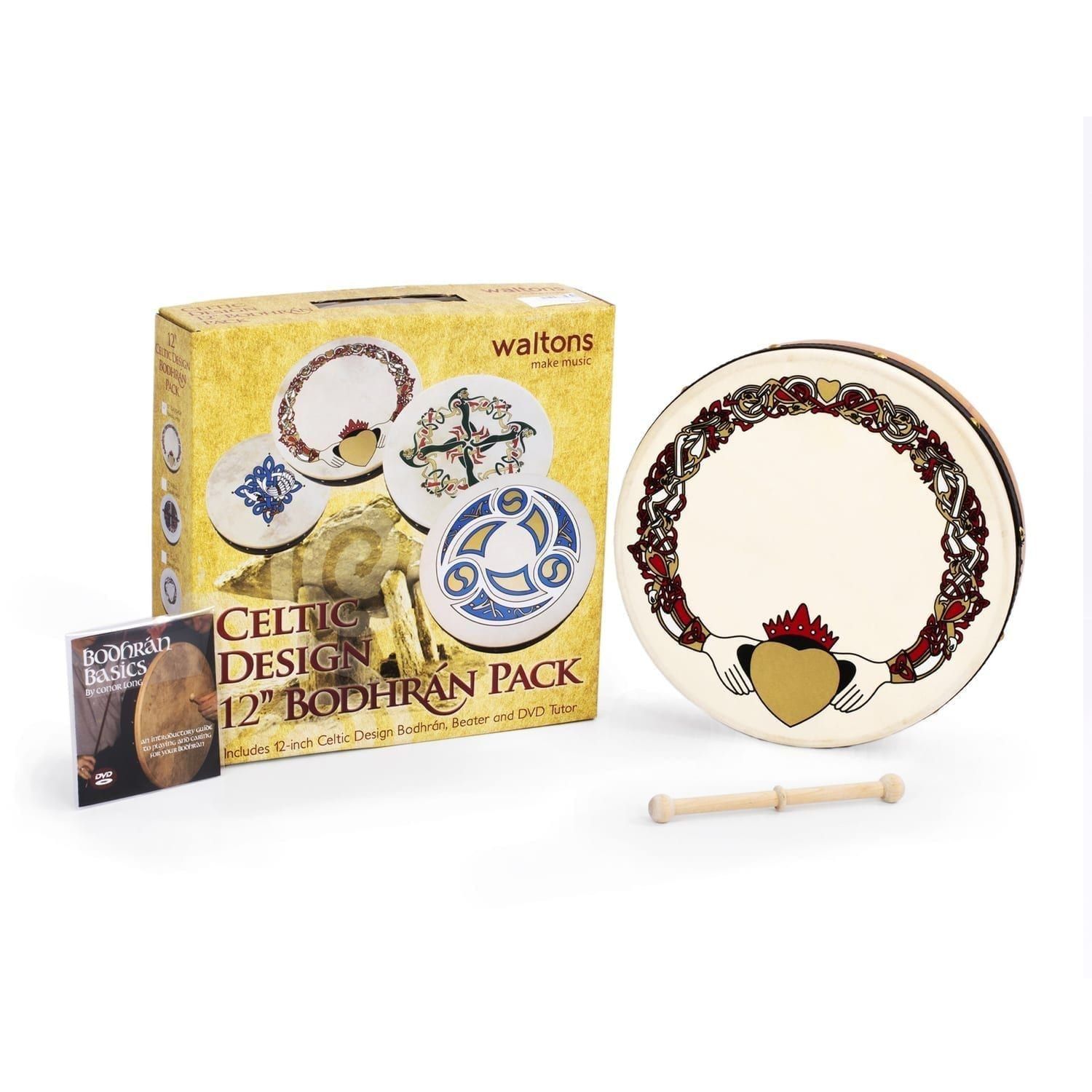
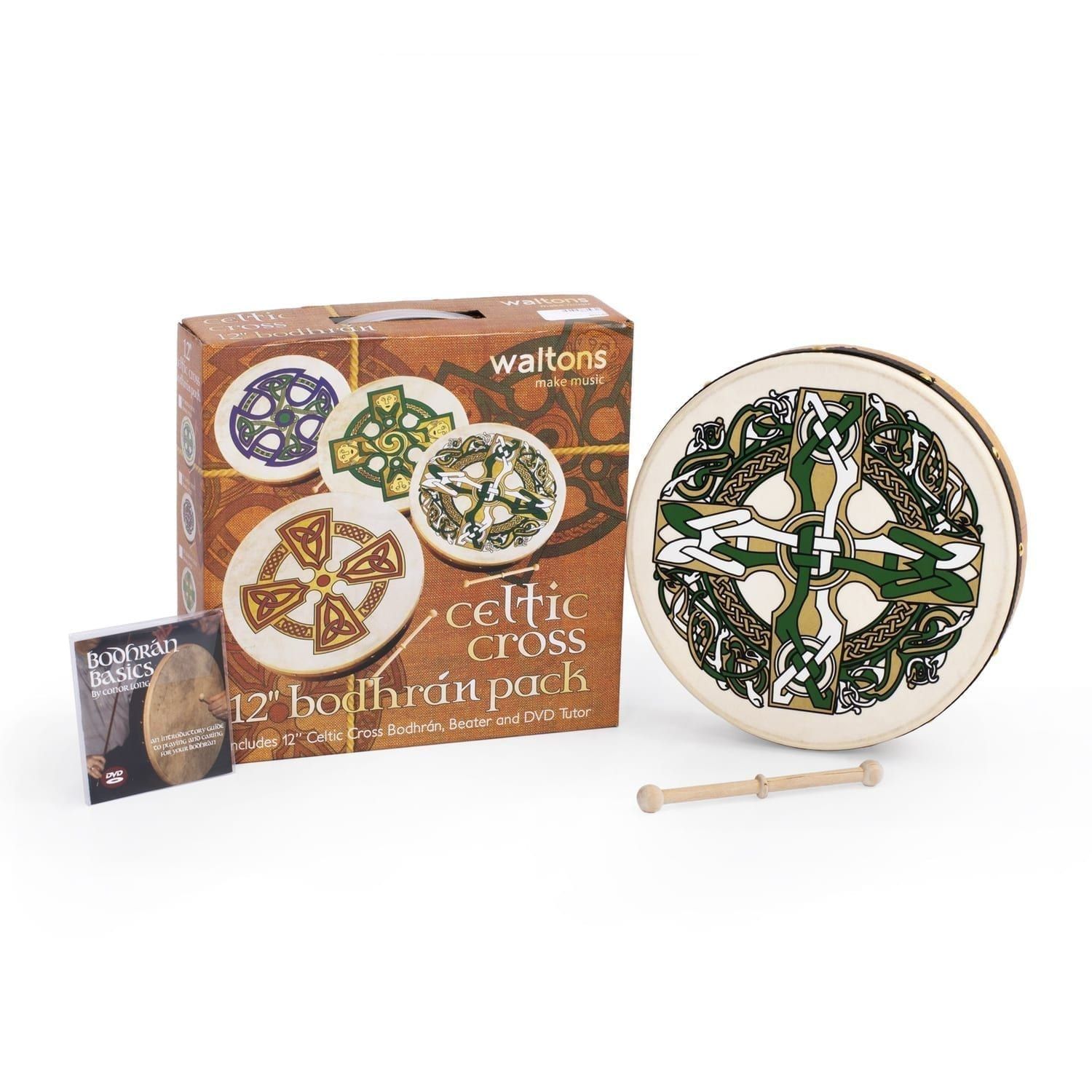
In Irish traditional music, the bodhran serves as both the rhythmic backbone and the unifying pulse of a session. Its deep, resonant tone provides a steady beat that guides musicians - whether in a lively pub gathering or a quiet living room circle. By varying hand pressure on the drum’s skin, players can create subtle changes in pitch and dynamics, weaving intricate patterns that lift the ensemble. Beyond simply keeping time, the bodhran weaves melody and rhythm together, inviting listeners and fellow musicians alike to engage more deeply with the music. The drum’s versatility allows it to range from gentle, heartbeat-like murmurs to driving, energetic rhythms, shaping the mood of jigs, reels, and ballads. This makes the bodhran an essential and expressive voice within Irish music, bringing people together with its unmistakable sound.- Sizes 12"–18″ options, plain or Celtic
- Materials wooden frame, natural hide
- Build tuneable or fixed, robust construction
- Traditionally features a single animal skin membrane, typically stretched and either tacked or nailed to the frame
- Hand-held design, often with a criss-cross system of cords, wires, or sticks across the open back for secure grip and playing comfort
- Protection carry bags on selected models
- Audience Primary–Adult classes and SEND
How to Choose a Good Quality Bodhran
When it comes to selecting a quality bodhran, there are a few key things to keep in mind to ensure you get the best sound and longevity from your drum. Here’s what to look for:- Skin Quality: Opt for bodhrans with natural goatskin or other traditional hides. These offer a warm, musical tone and respond well to different playing techniques. Watch out for even texture and absence of blemishes or thin patches, as this affects both durability and sound.
Using them in the classroom
Start with very simple pulse games. Pupils copy short rhythms, trade call-and-response ideas and explore loud/soft contrasts.
Next, divide the group into two parts so one half keeps a steady beat while the other adds off-beat patterns. As confidence grows, combine the drums with voices, tuned percussion or recorders to create performance pieces for assemblies.
The basic grip and stroke are straightforward, so these instruments adapt well for SEND learners. You can offer one-beat parts, seated or standing positions and still keep every player at the centre of the ensemble sound.
Frequently asked questions
How do you pronounce bodhran?
Most English speakers say “BOH-ron” or “BOW-rawn” (rhyming with “go-rawn”). In Irish you may hear a softer second syllable, but both of these versions are widely understood in class.
What is a bodhran made of?
Typically it has a wooden frame and a natural goatskin head, tightened over one side of the shell. Some models include internal cross-bars to help with grip.
Is the bodhran Irish or Scottish?
The drum is most strongly linked with Irish traditional music and modern Irish folk bands. It is also used in some Scottish and wider Celtic styles, but its roots are in Ireland.
Is it difficult to play?
Basic patterns are easy to learn, even for complete beginners. Most learners can keep a steady beat and play simple rhythms in their first lesson, then build up to rolls and more complex grooves as coordination improves.
How should we look after these drums in school?
Keep them away from radiators, direct sunlight and very dry storage, as this can tighten or crack the skin. After use, let heads dry naturally, store instruments flat or in their bags, and avoid stacking heavy objects on top so the frame stays round and the head in good condition.
