
West African Djembe Drumming
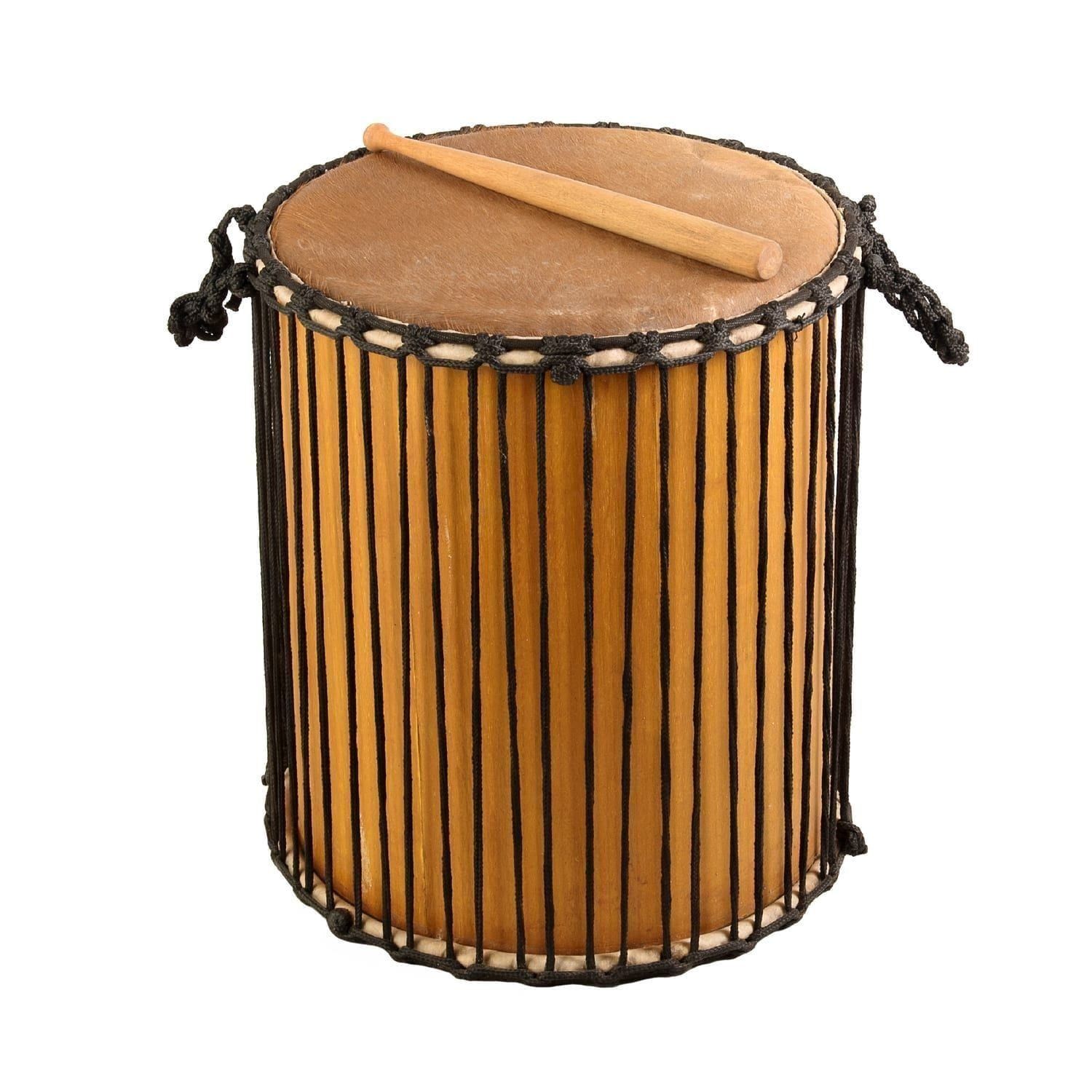
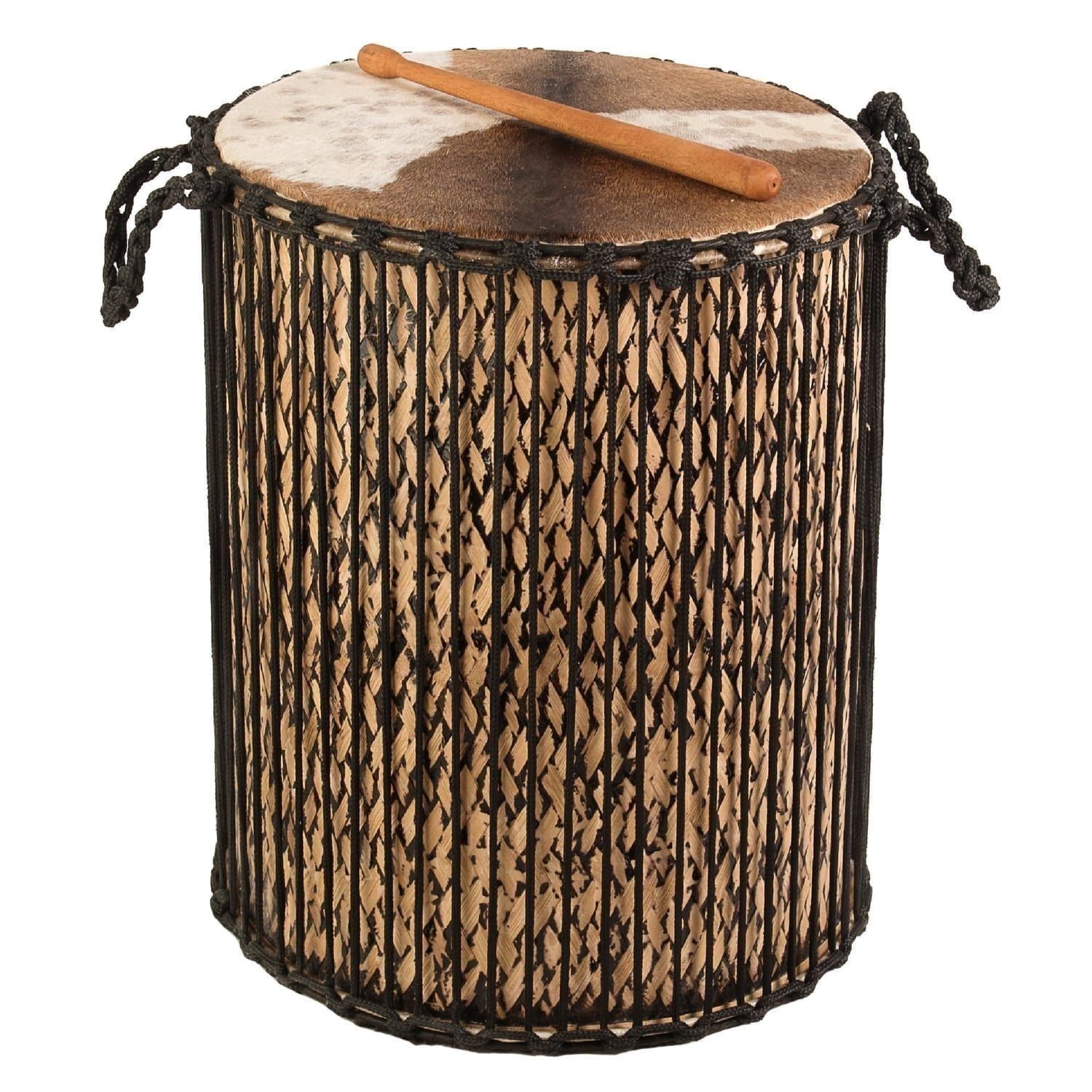
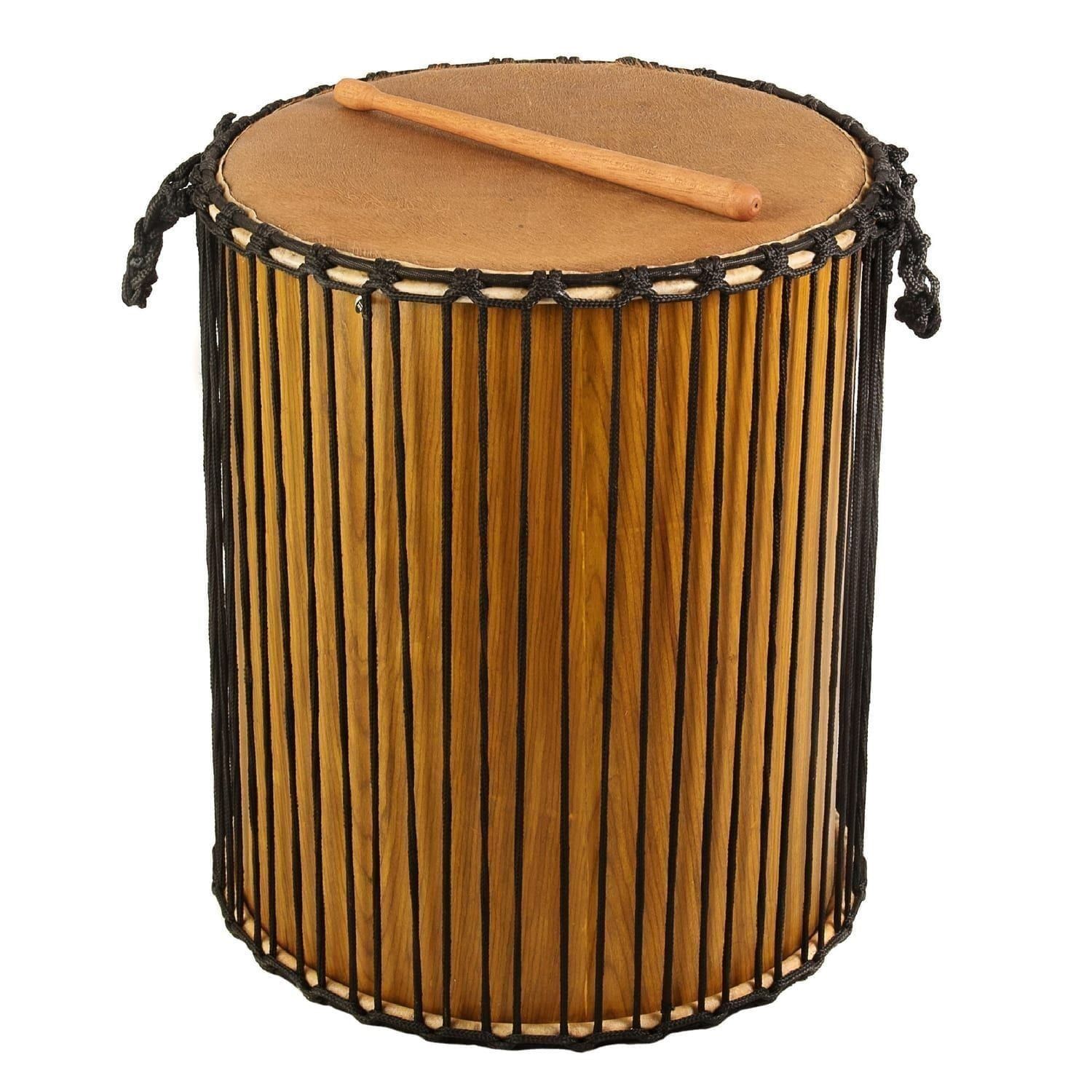
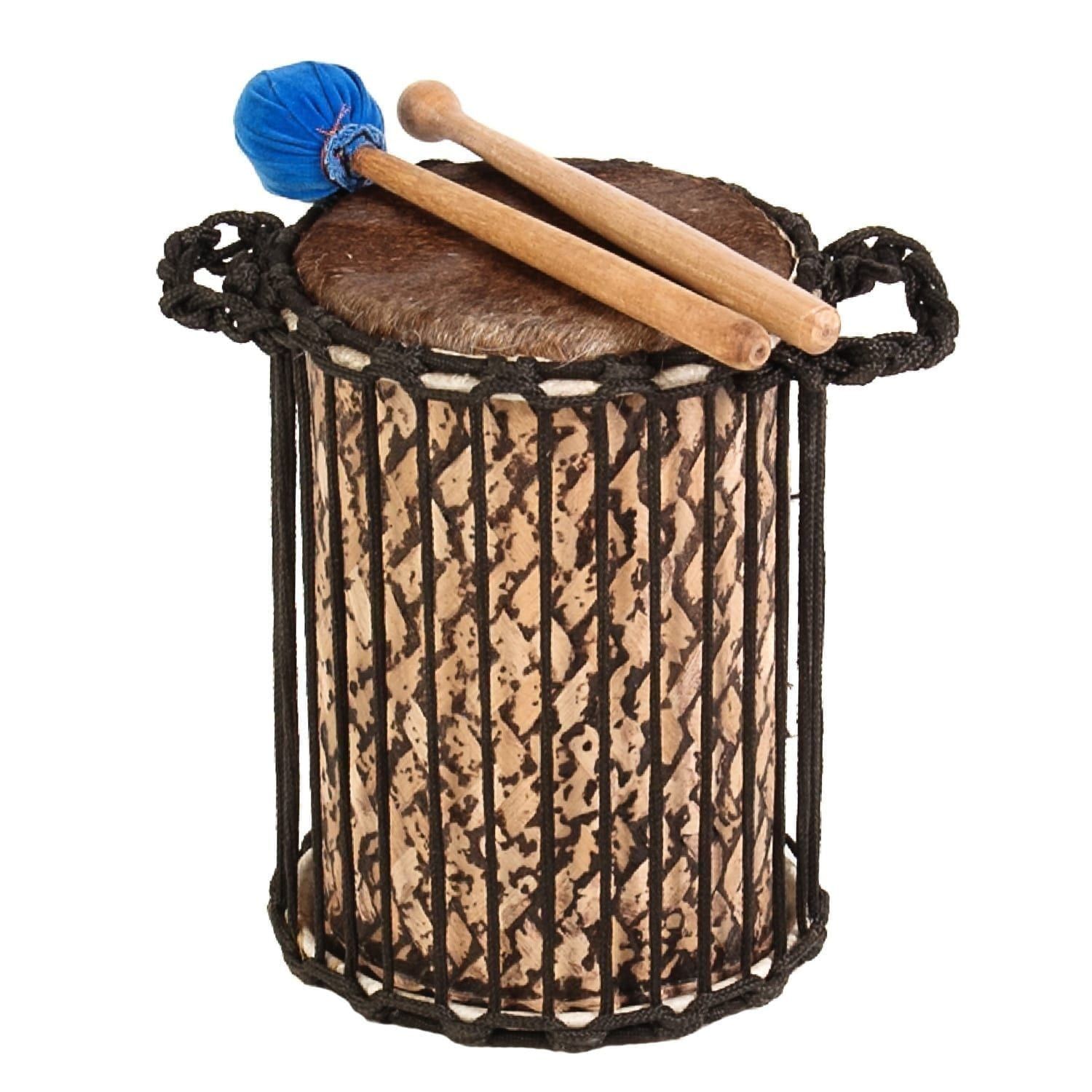
An African djembe drum is a traditional West African hand drum. You play it with bare hands. It creates three core sounds: bass, tone, and slap. Because it is loud and expressive, it works well for group drumming in schools and community circles. This page includes authentic wooden djembes and tough classroom-ready synthetic options. Use the guides below to choose the right size for your learners.
African djembe drumming is rooted in shared rhythm and community. Traditionally, people play the djembe together rather than alone. Because of this, the drum focuses on listening, timing, and group connection as much as technique. These qualities make African djembe drumming especially effective for learning, workshops, and inclusive group settings.How to Play the Djembe
The African djembe drum looks simple at first. However, once you start playing, it reveals a wide range of sounds and techniques. Beginners can pick up the basics quickly. At the same time, djembe drumming offers depth and control for players who want to develop their skills.
… read more …Showing 180 results
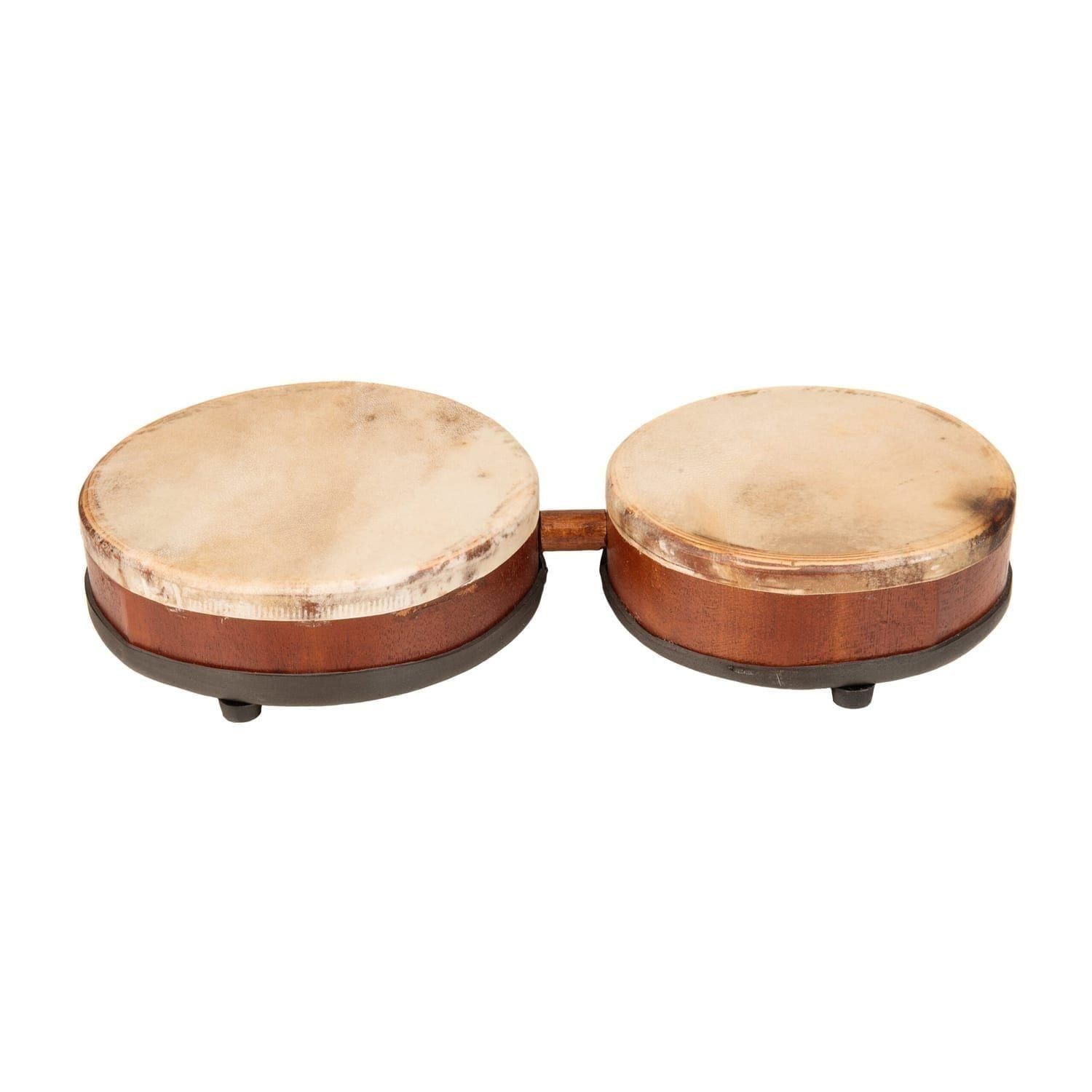
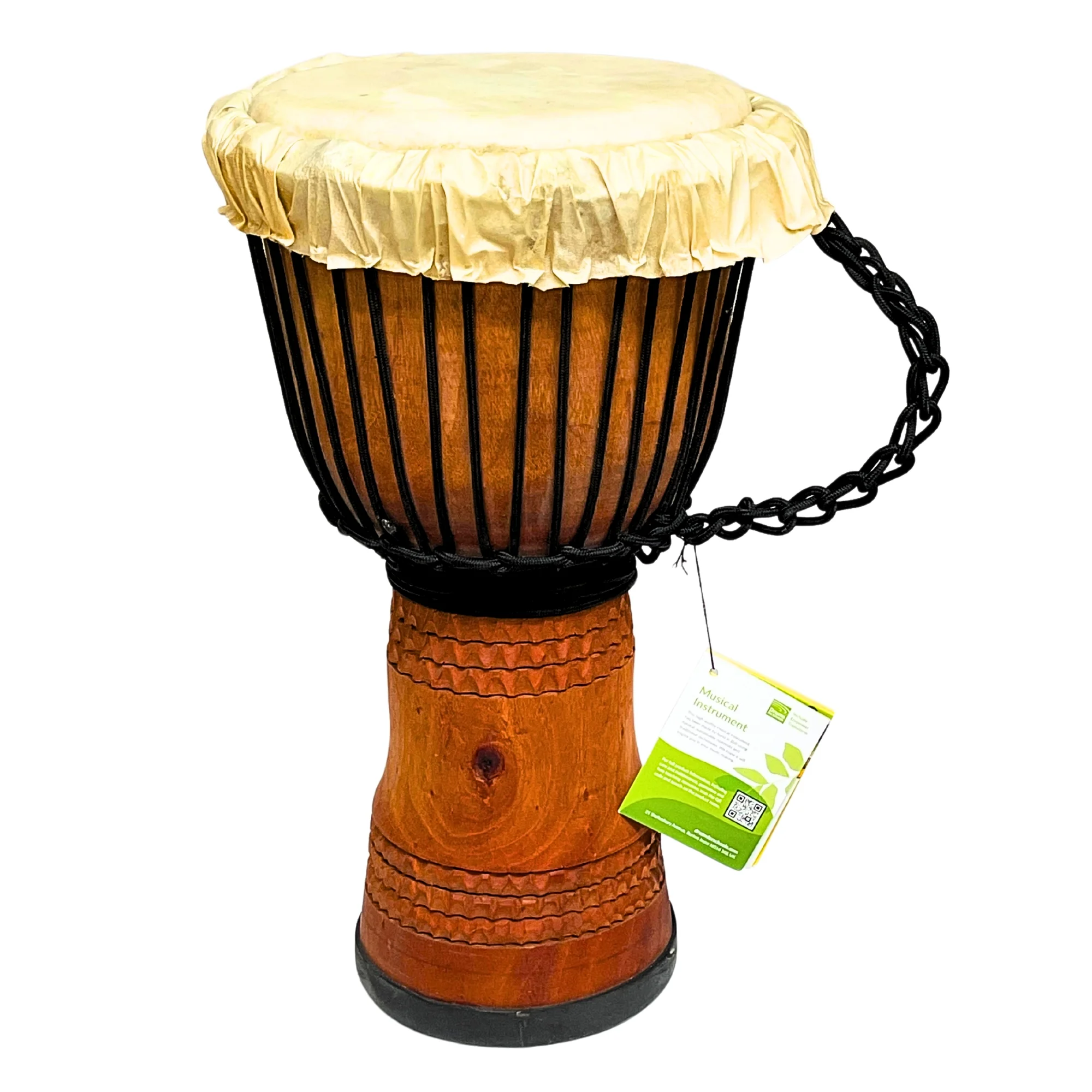
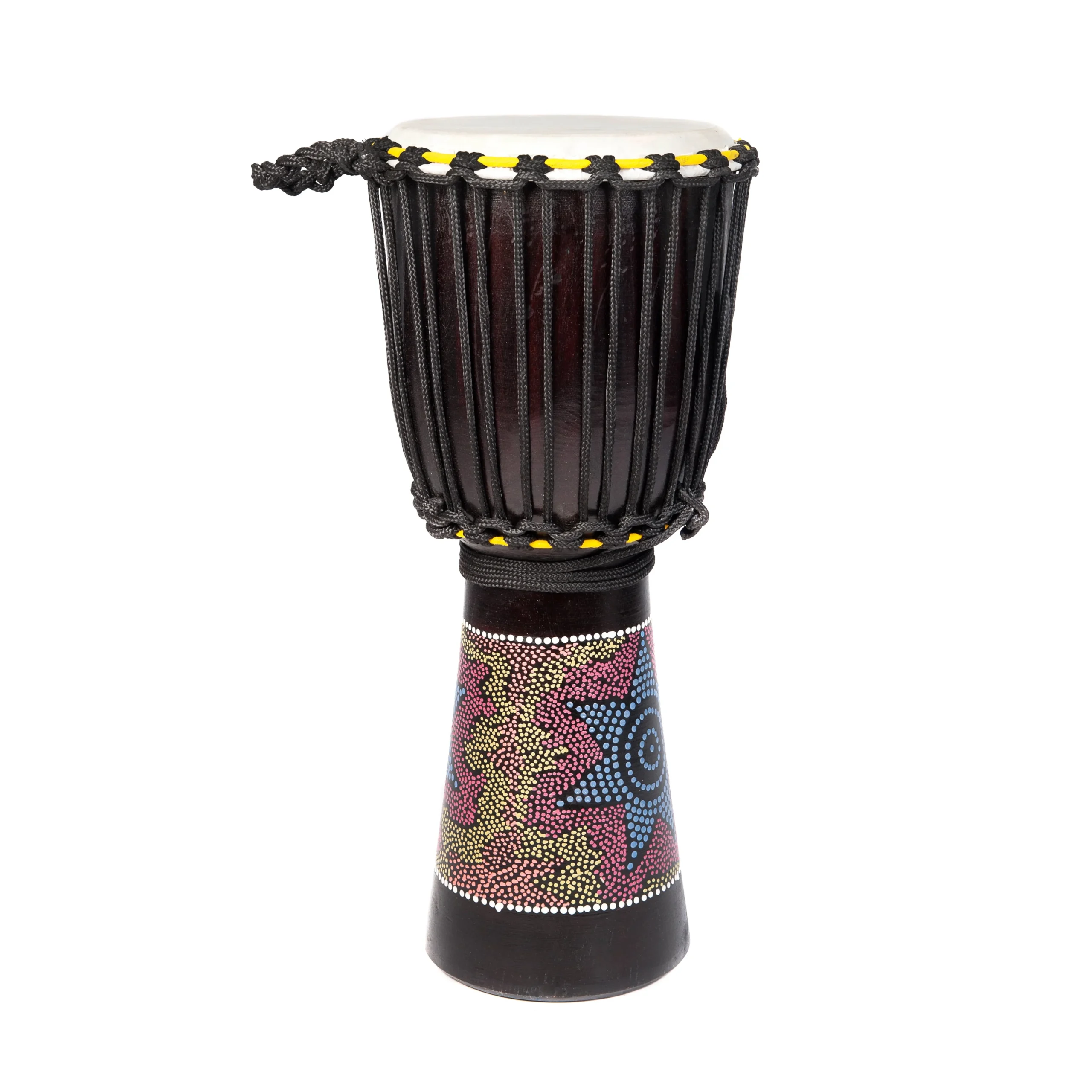
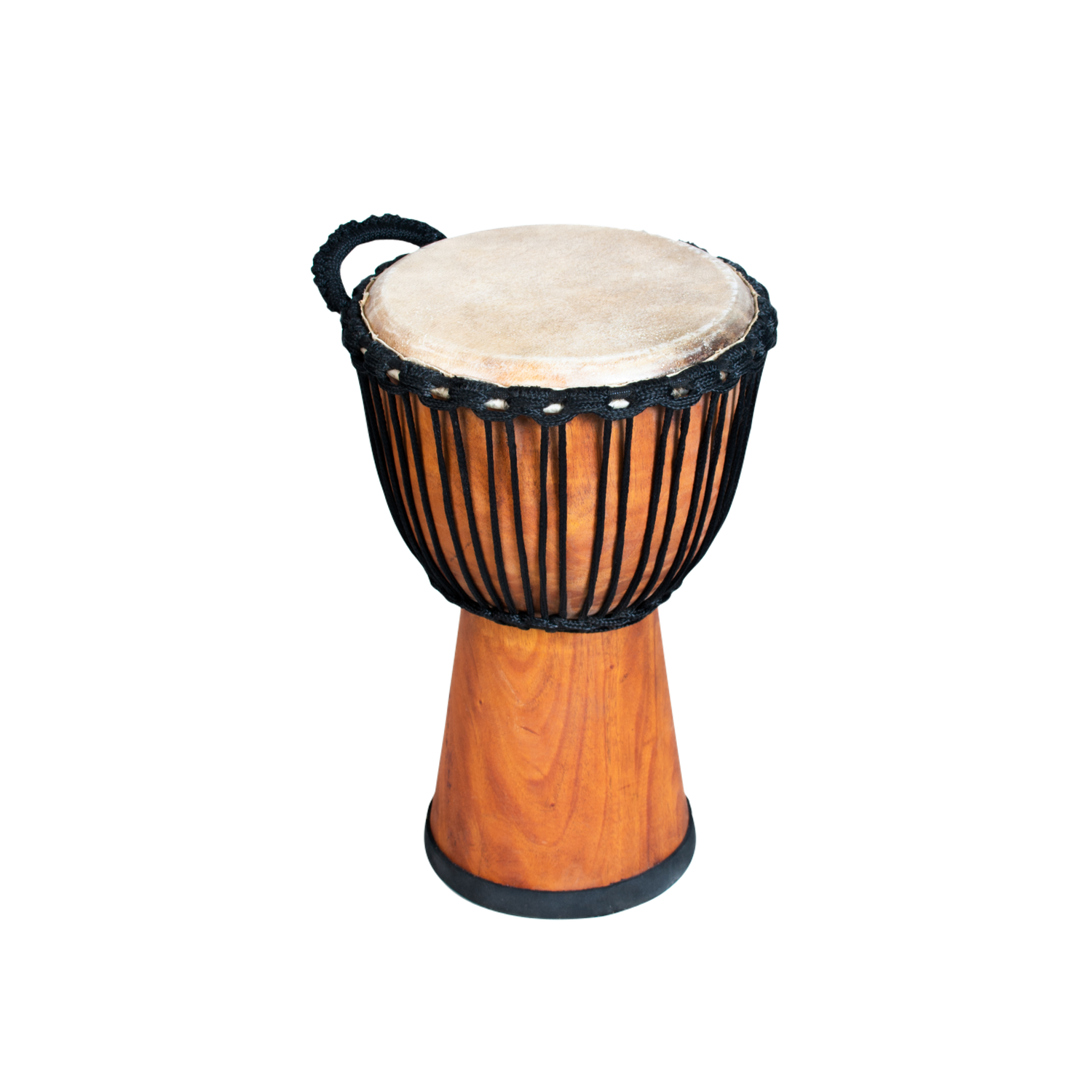
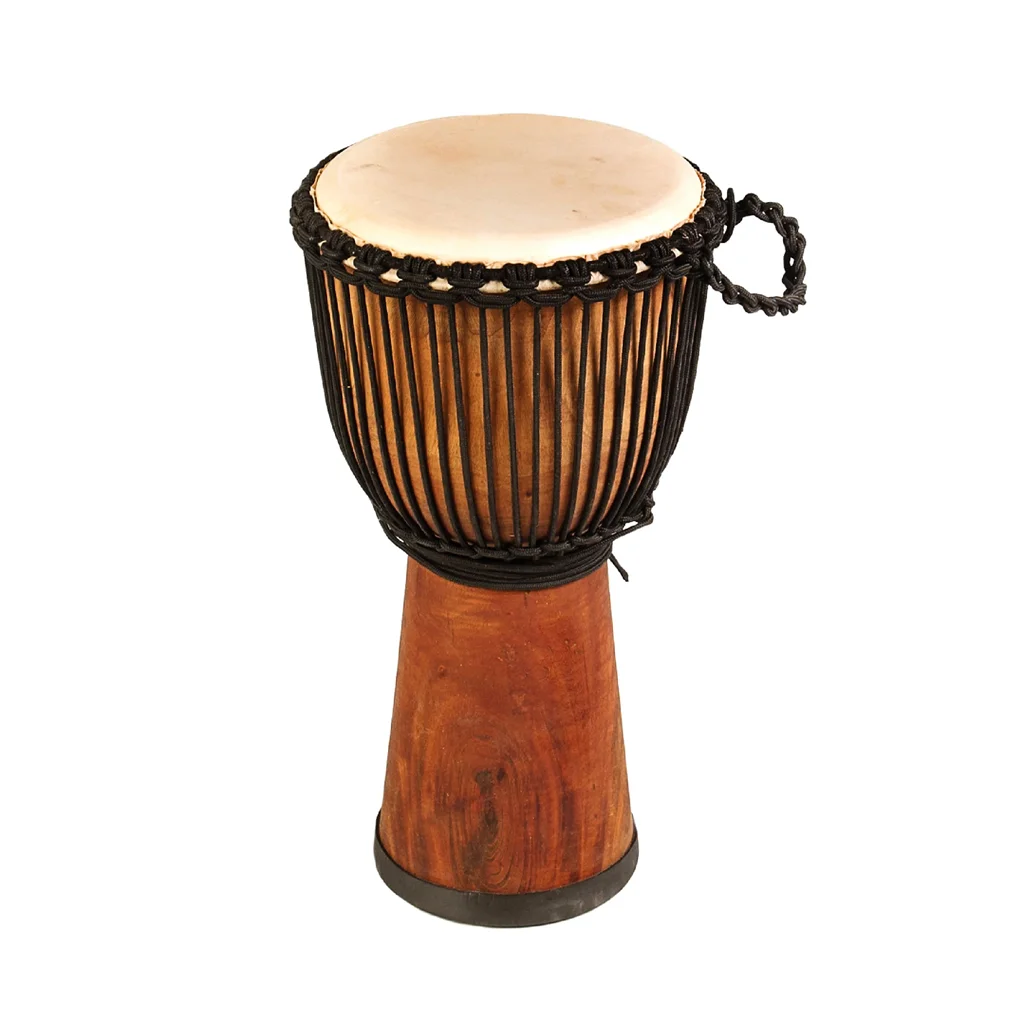
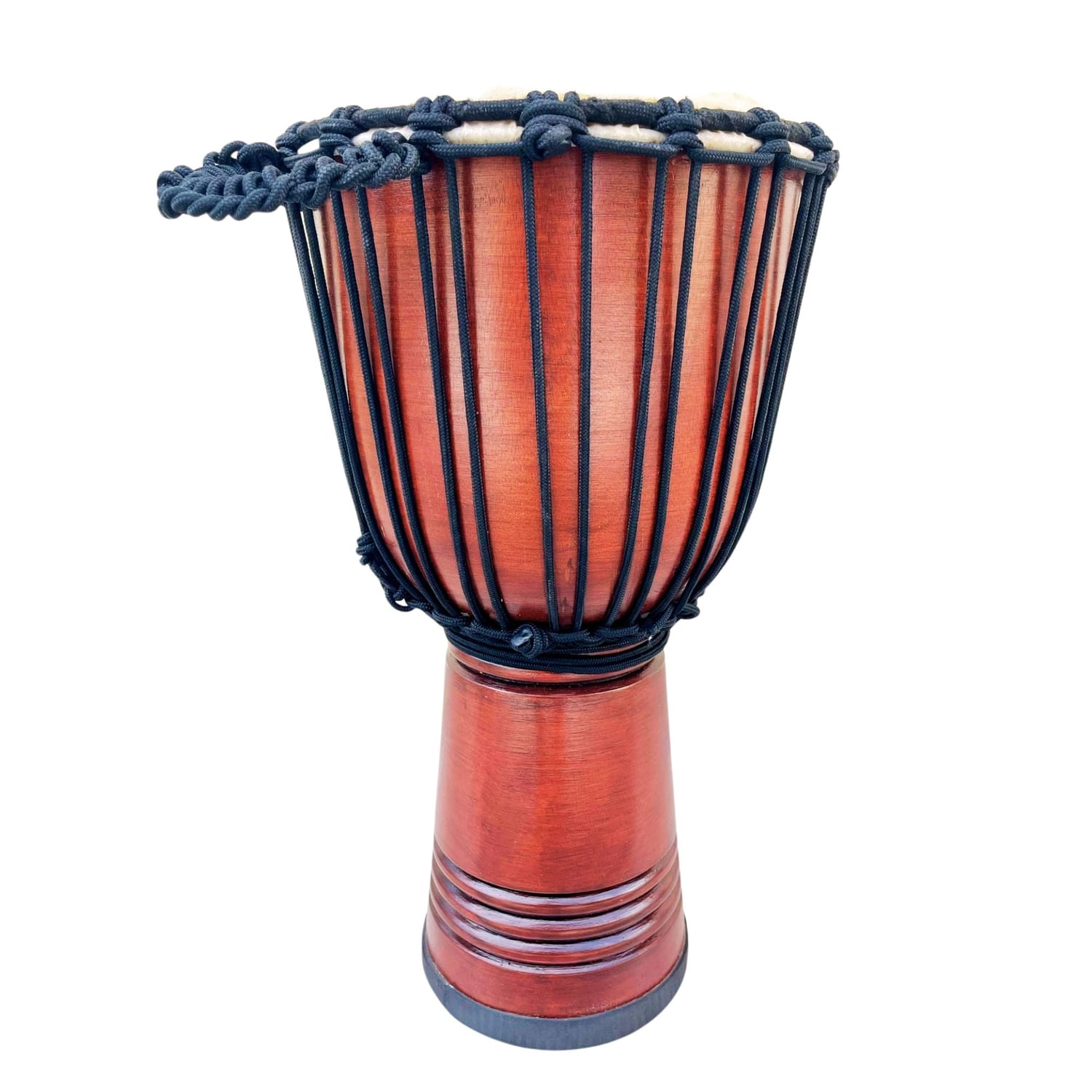
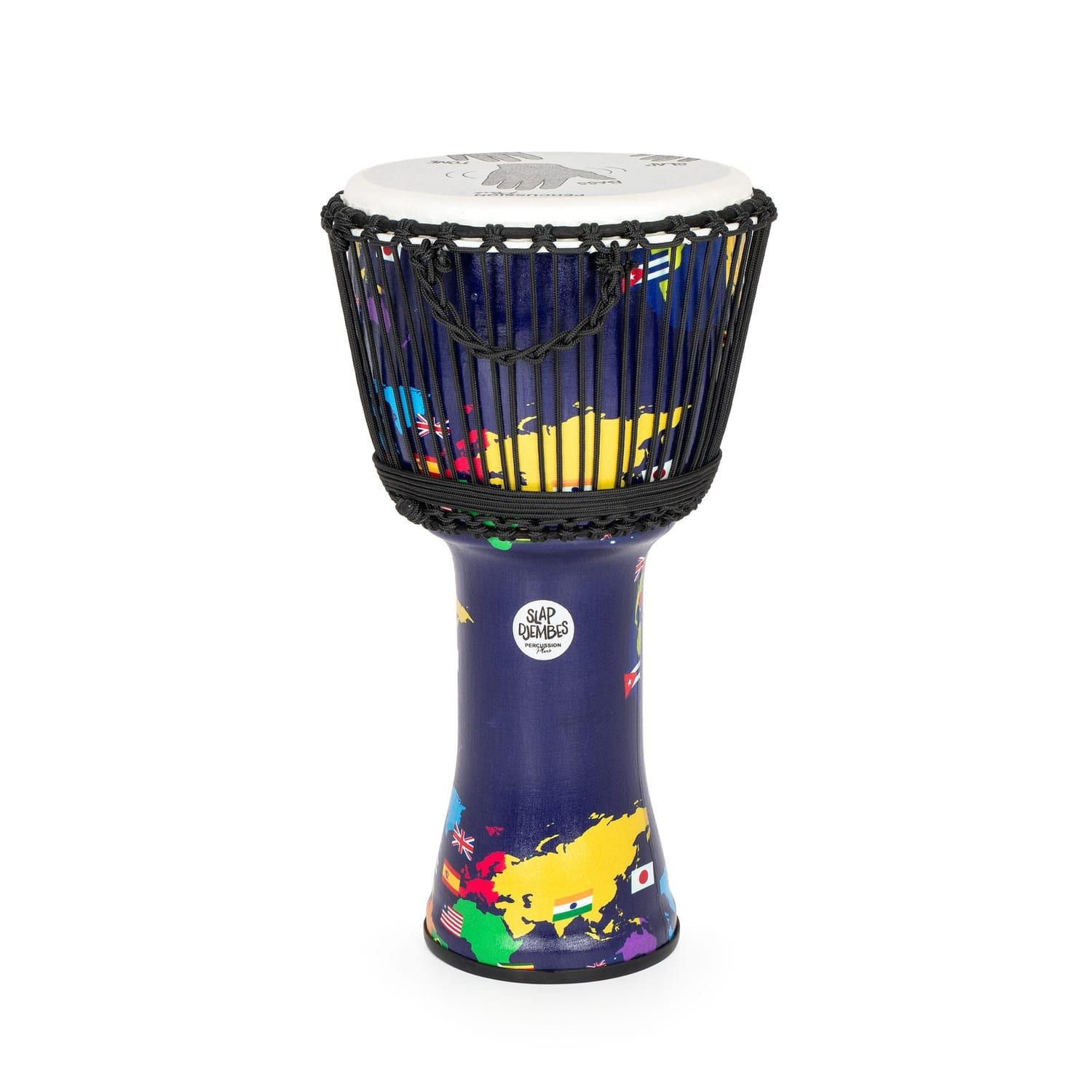
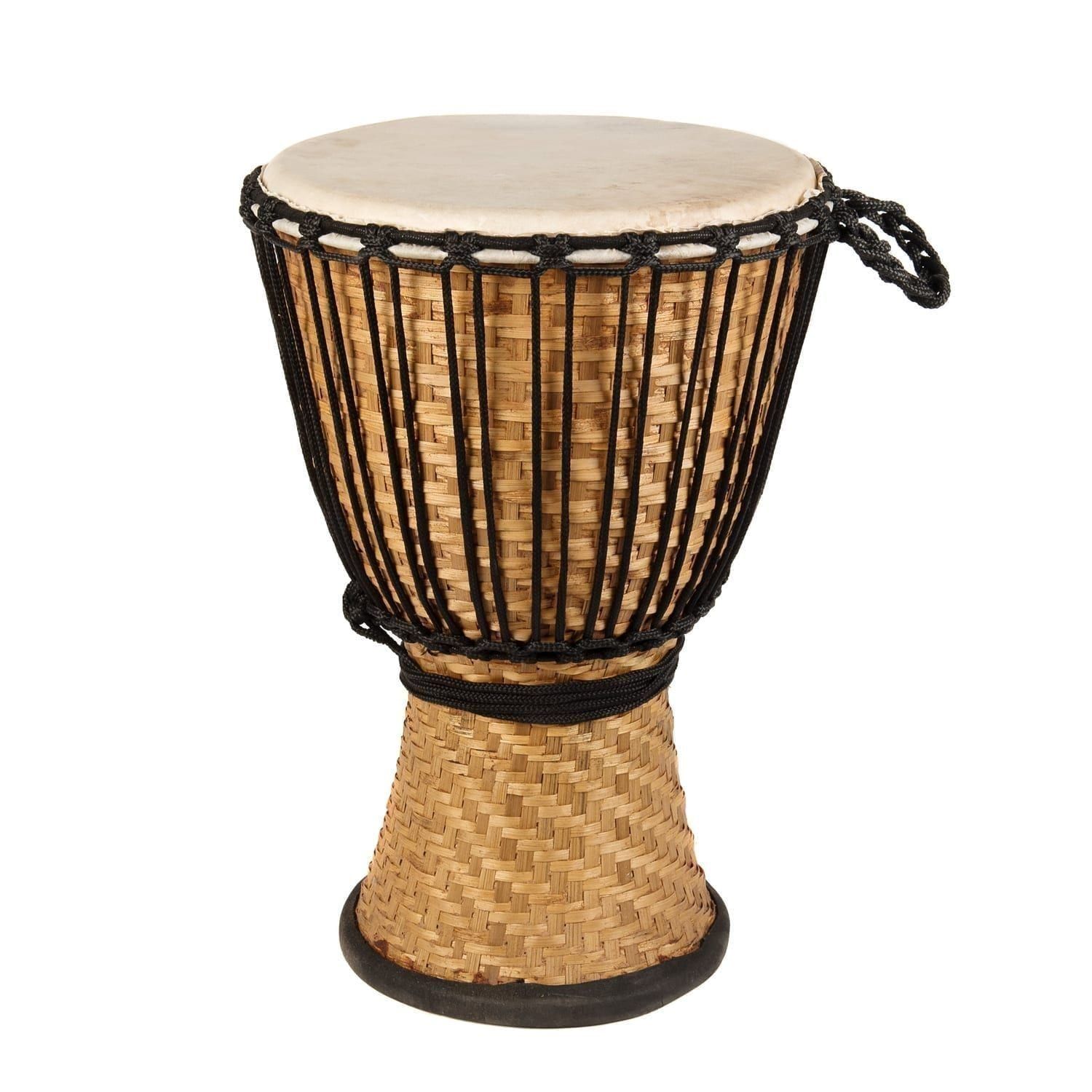
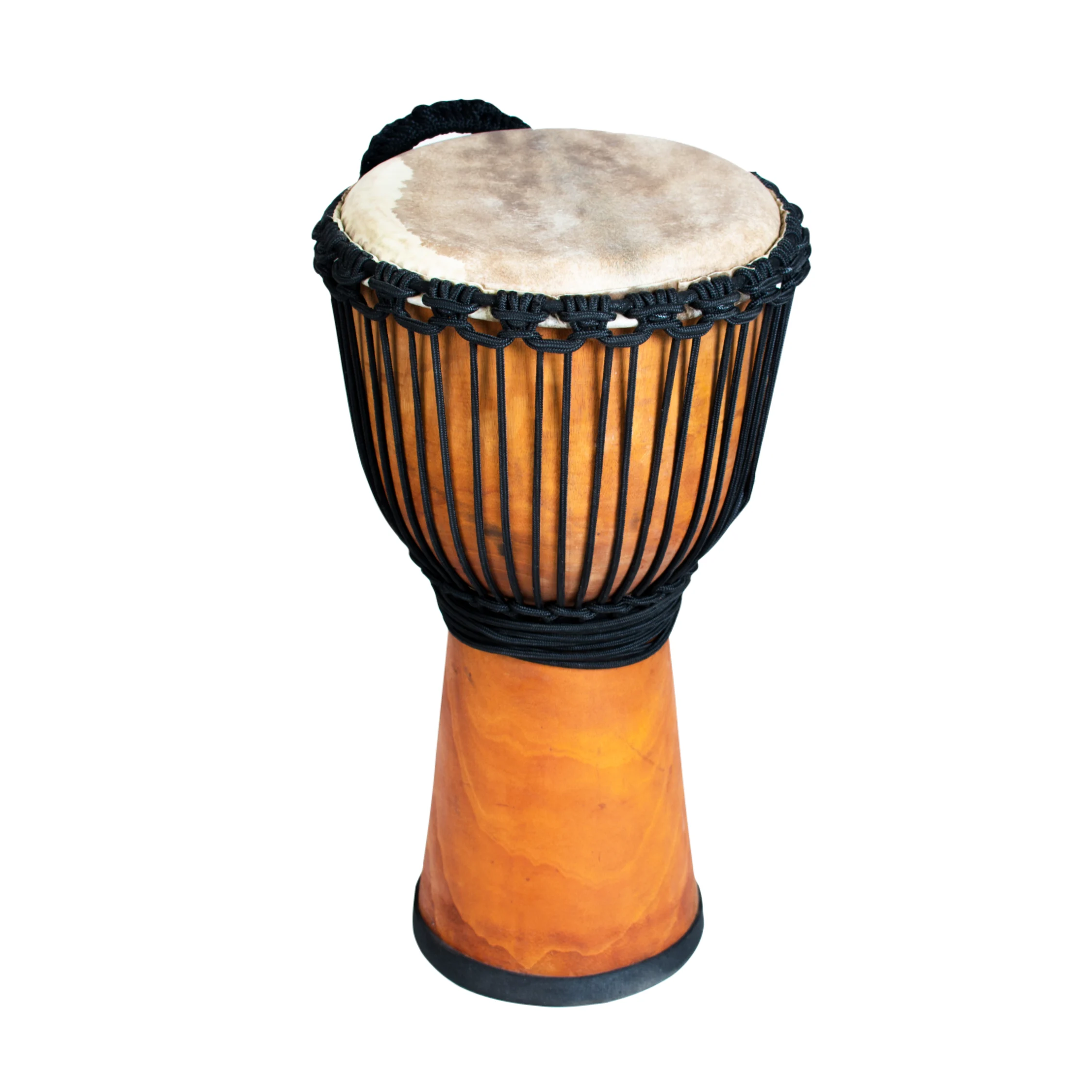
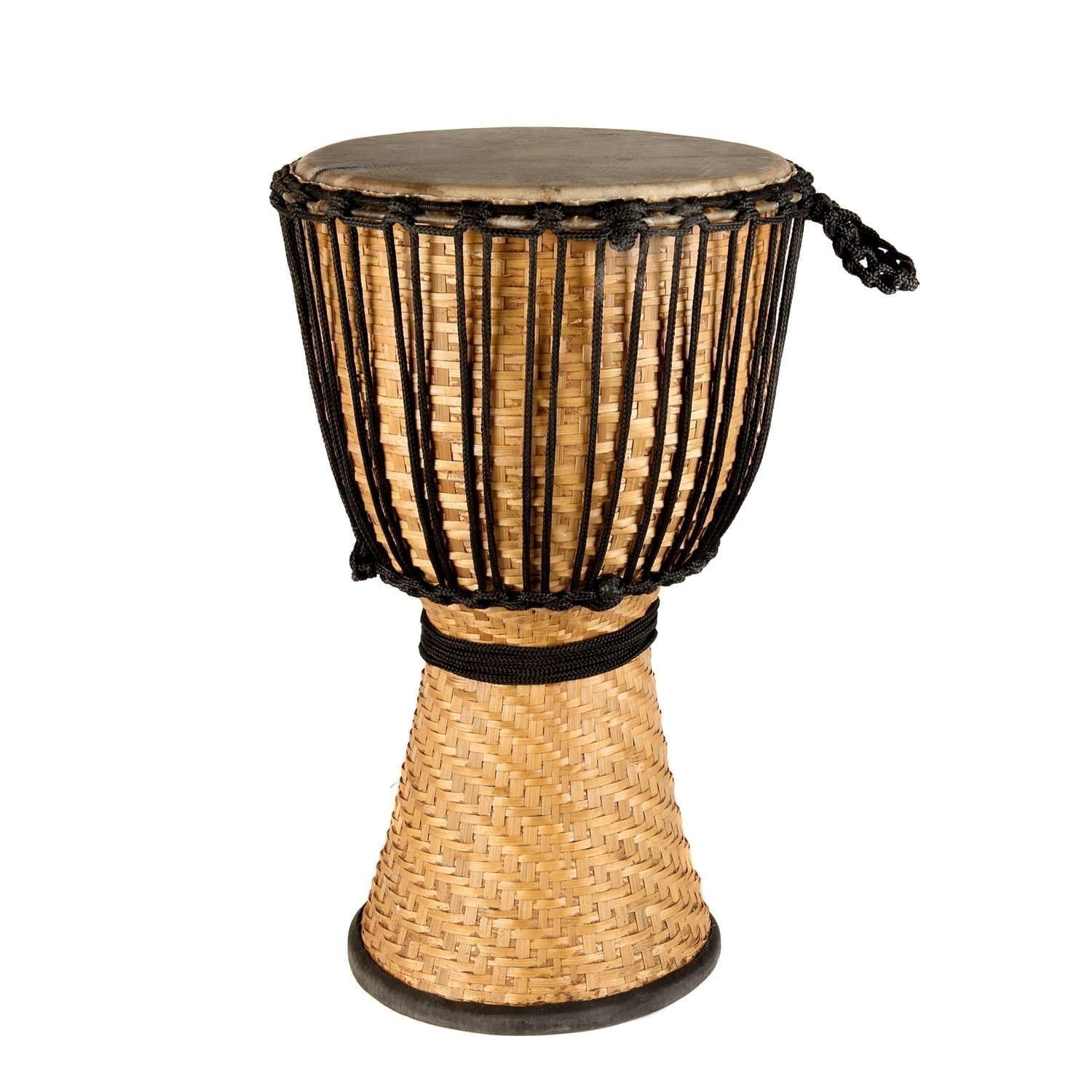
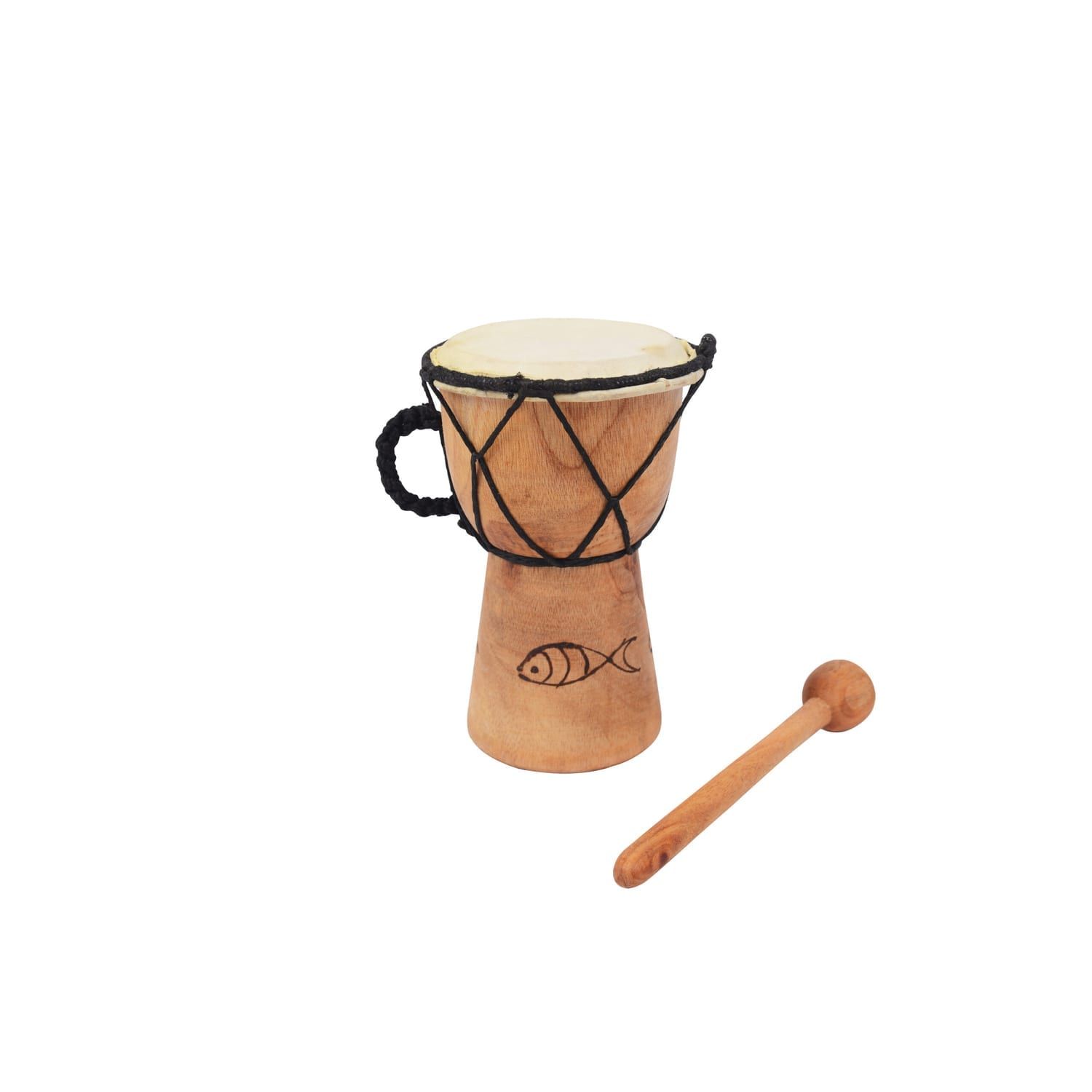
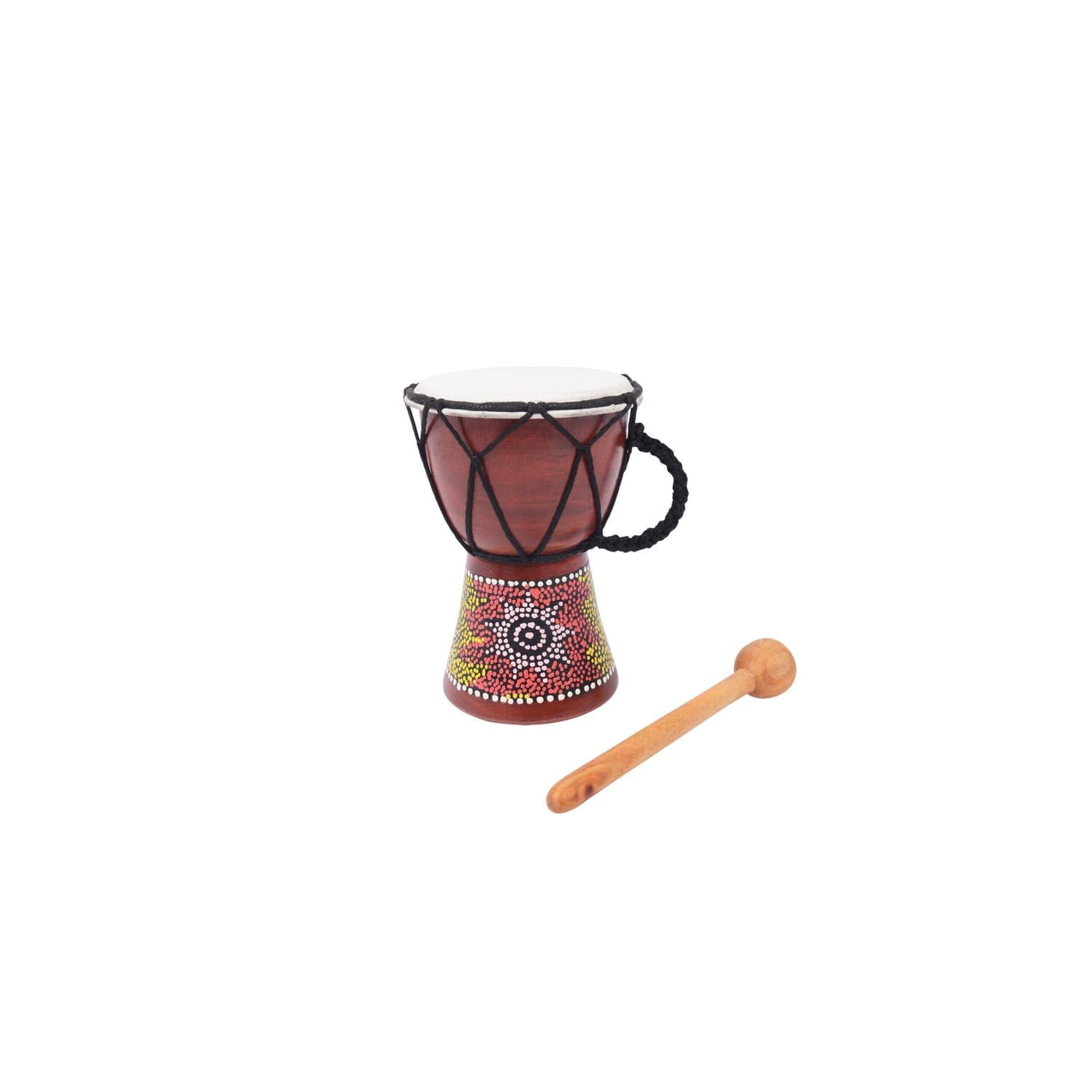
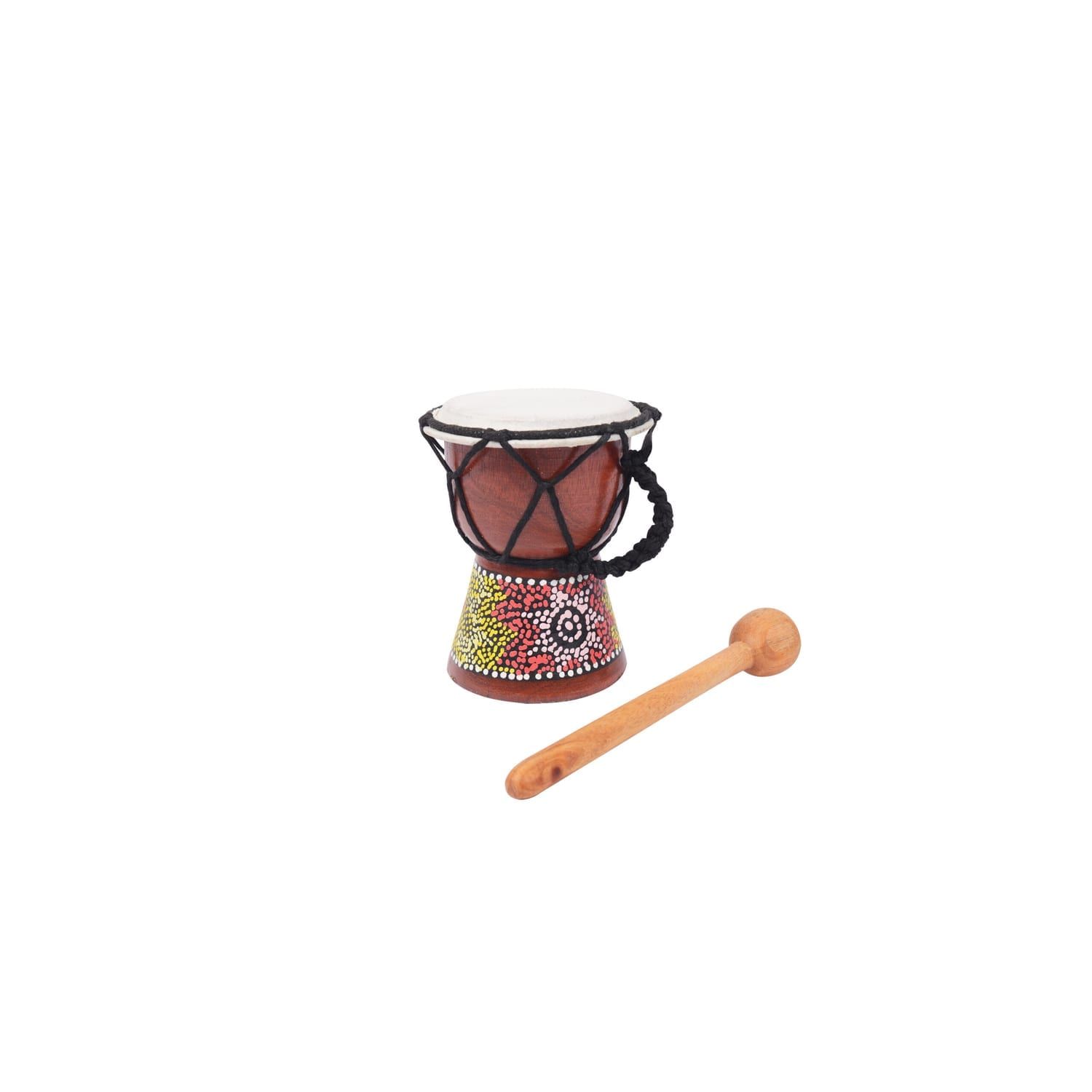
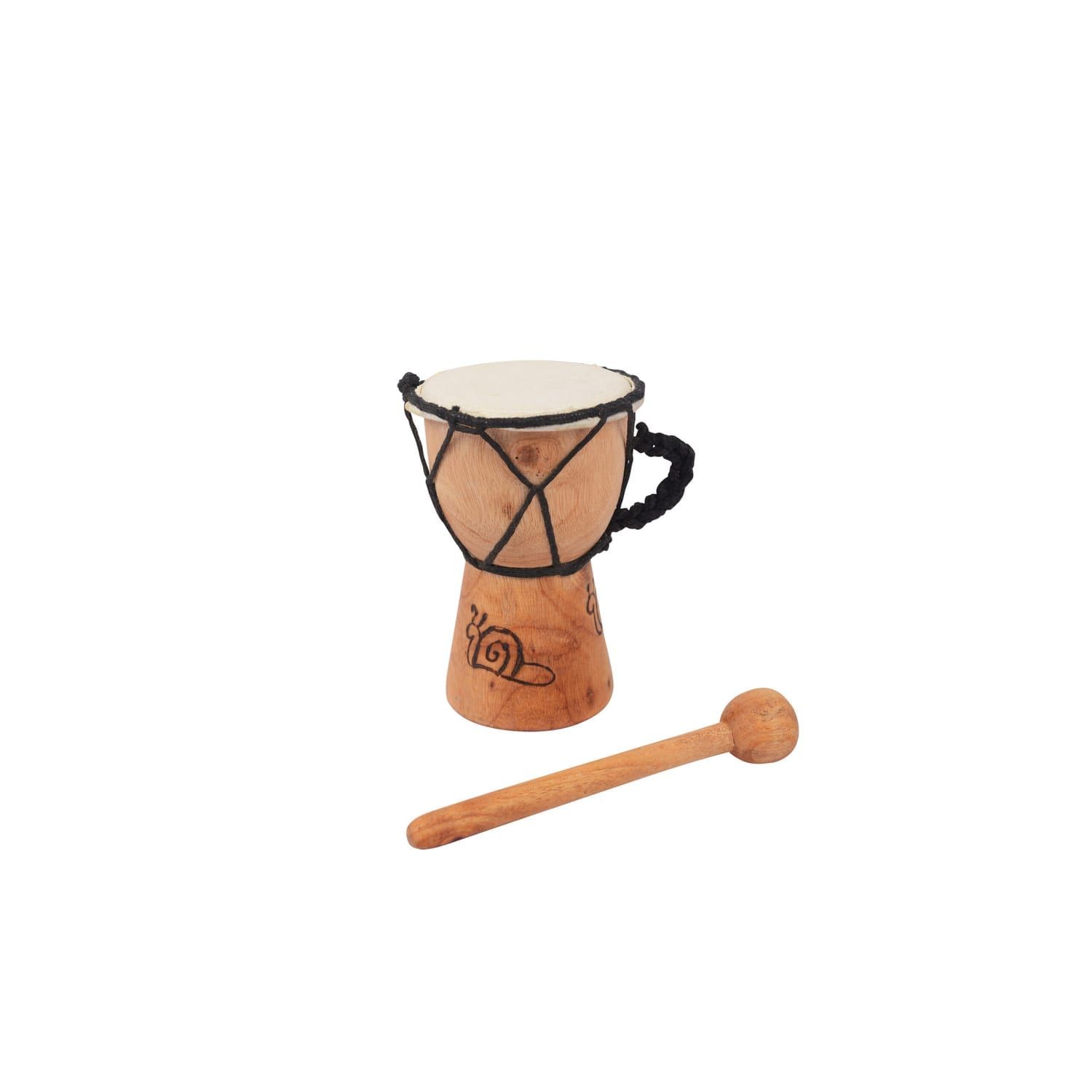
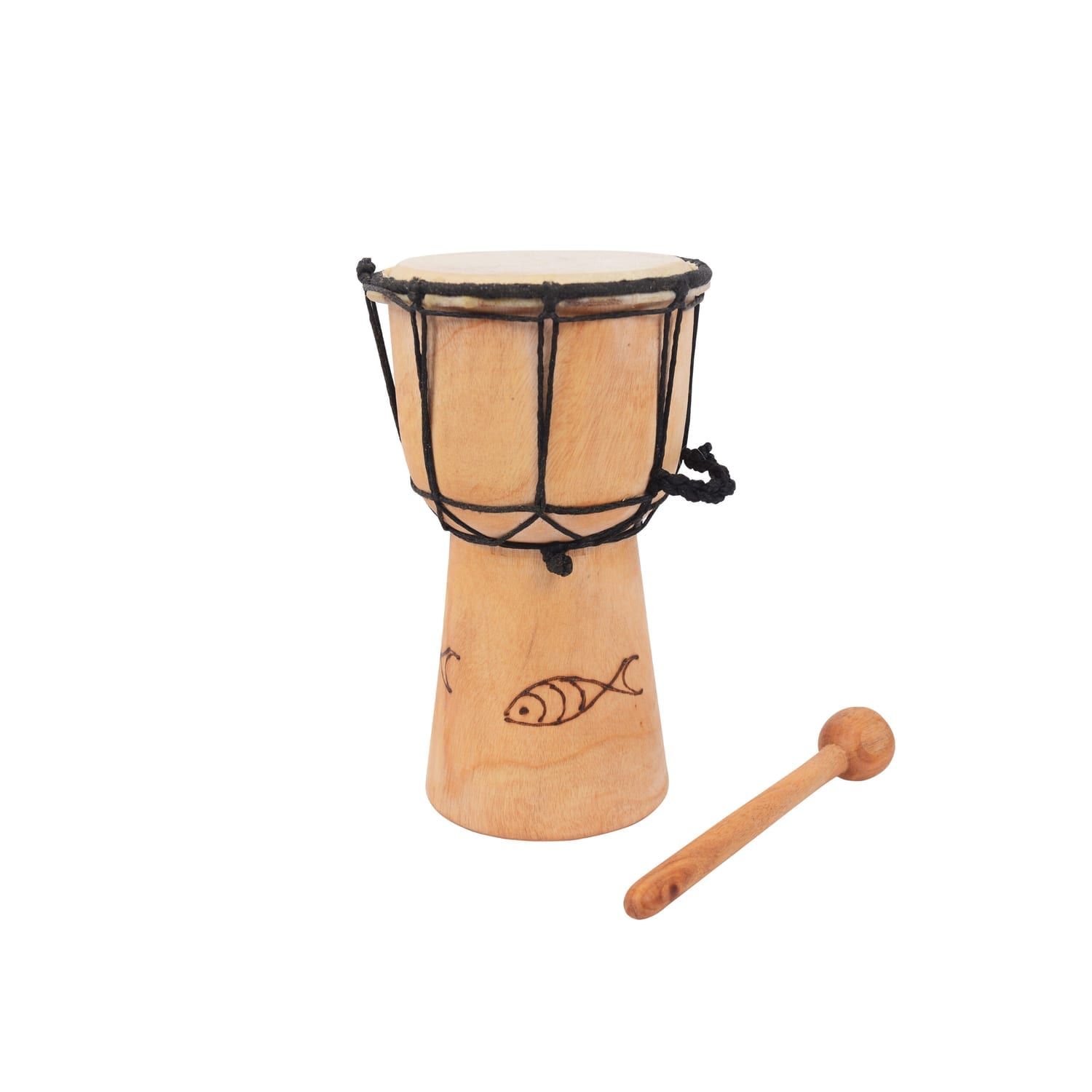
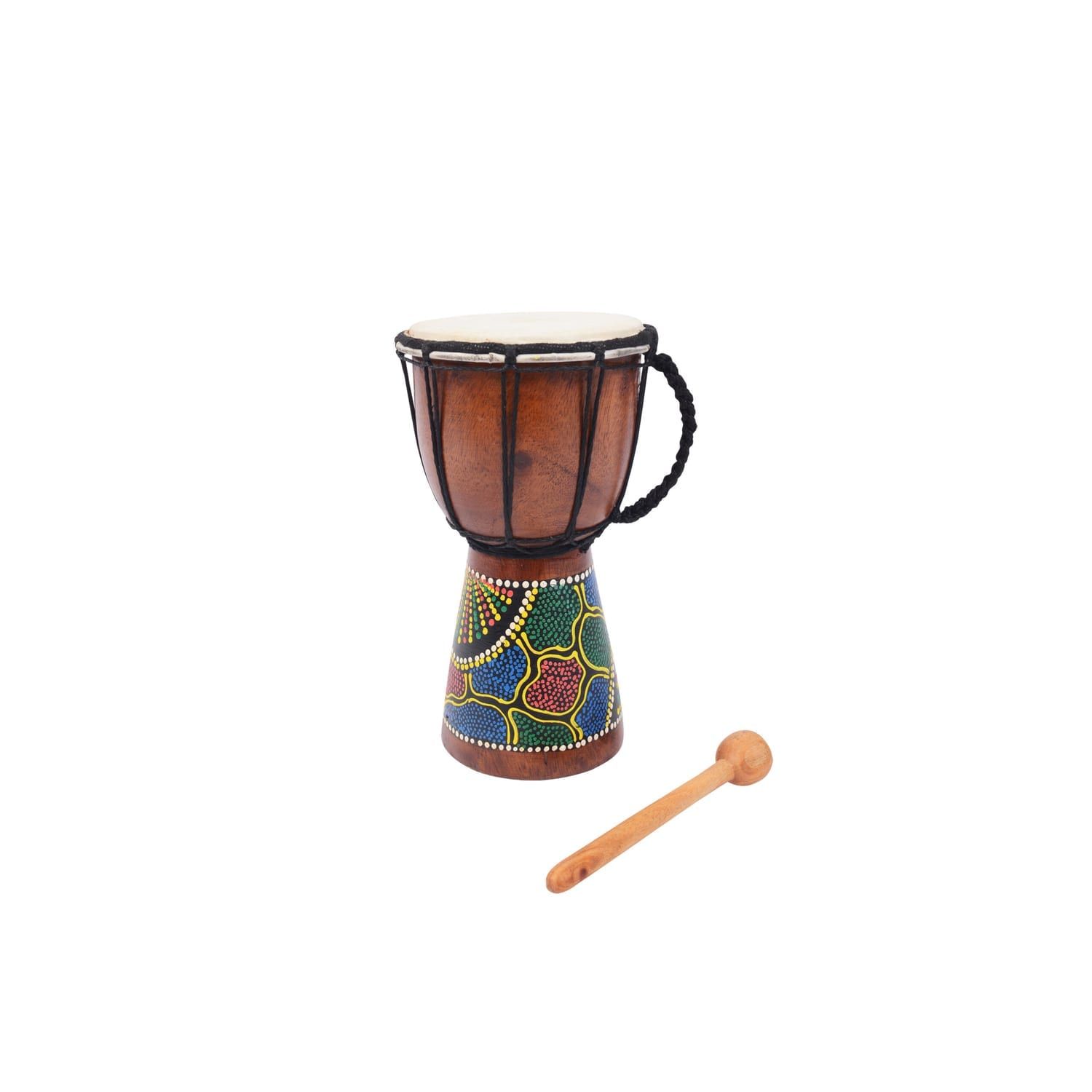
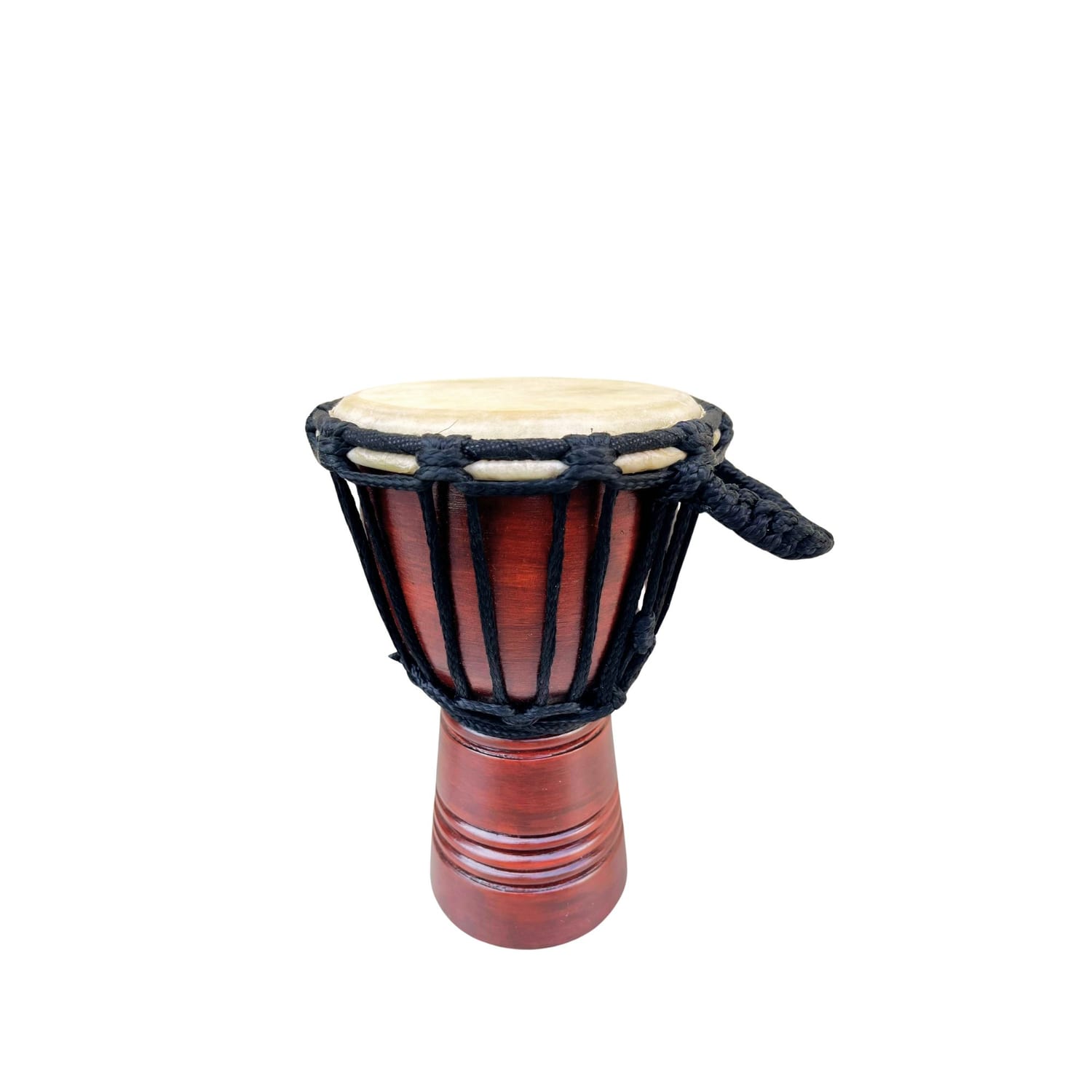
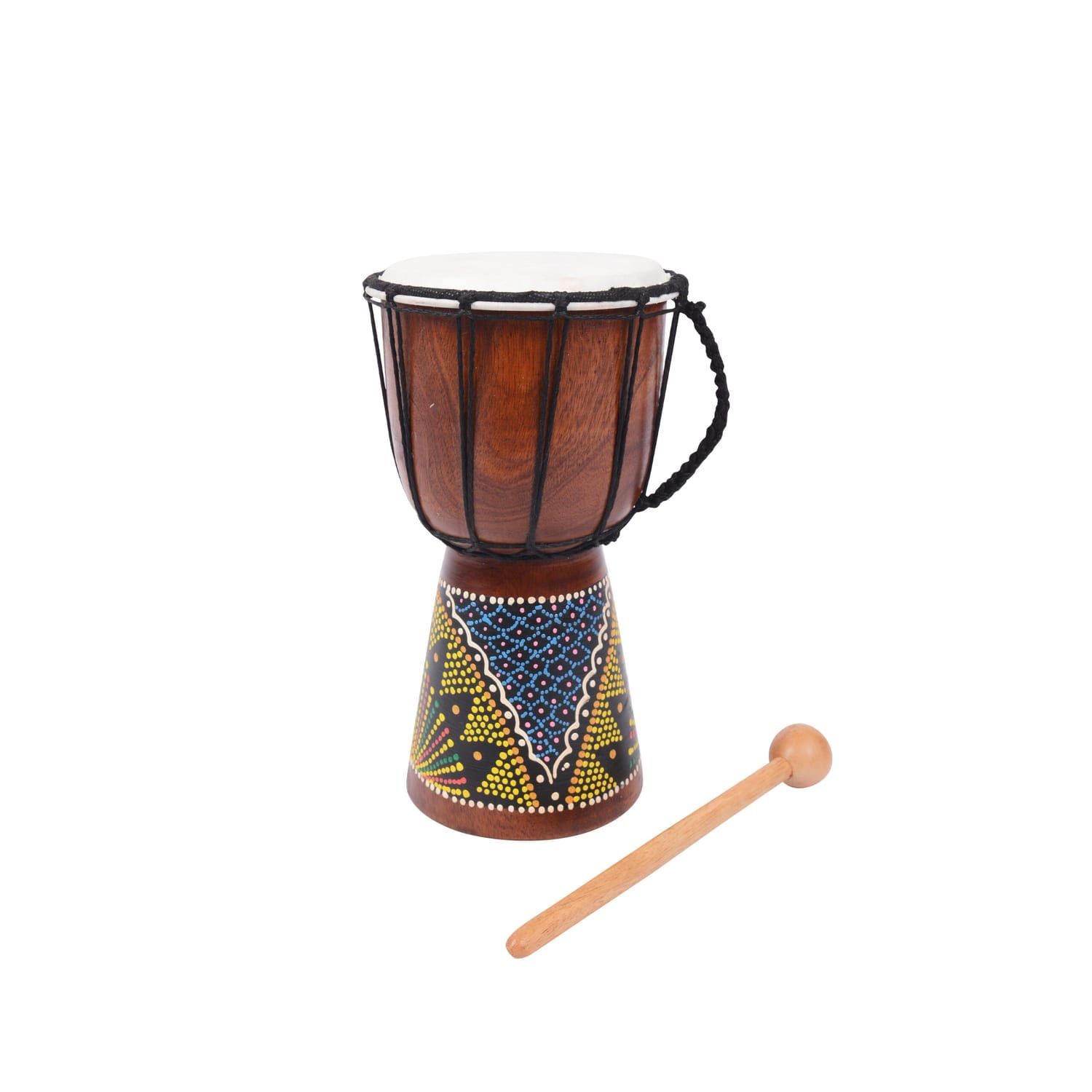
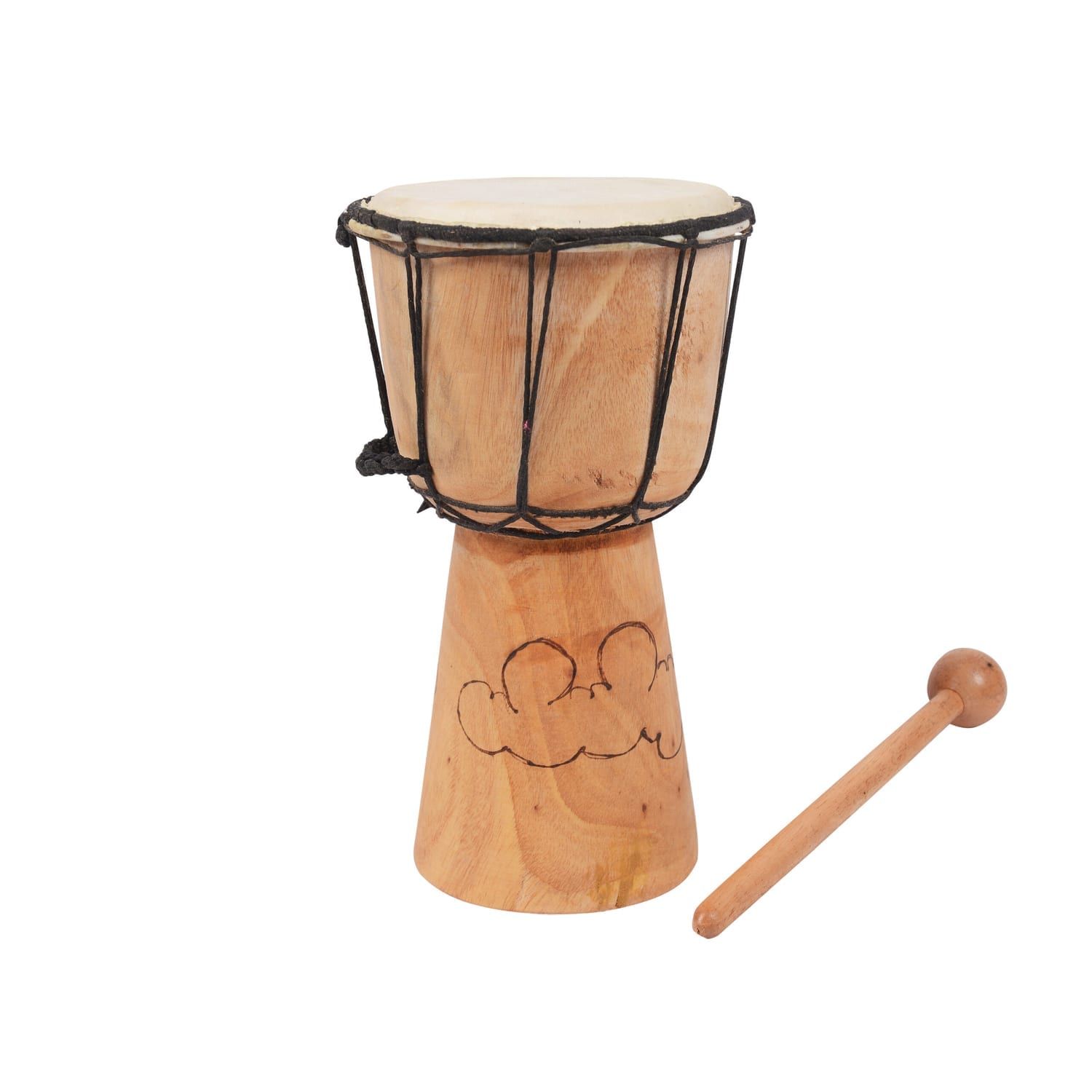
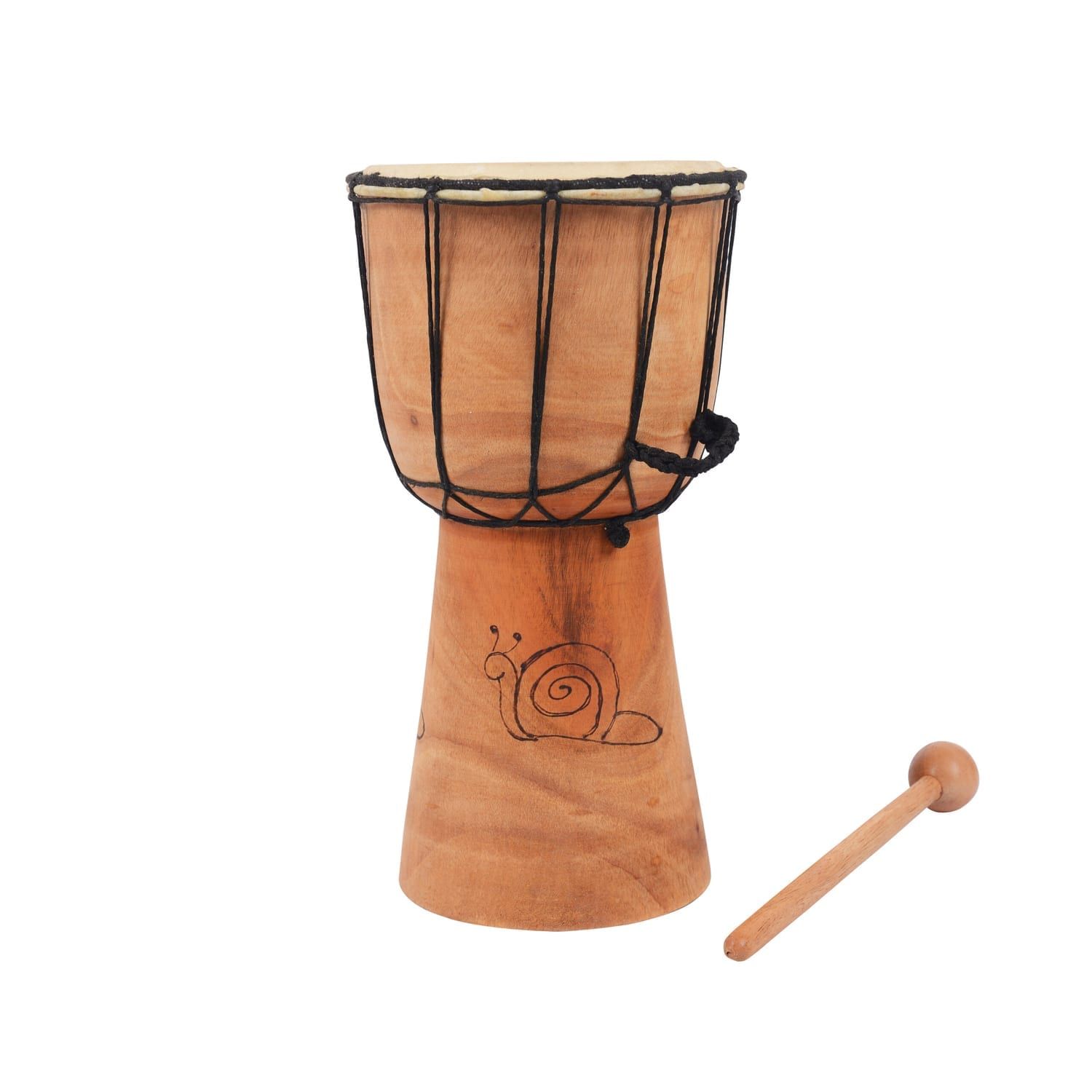
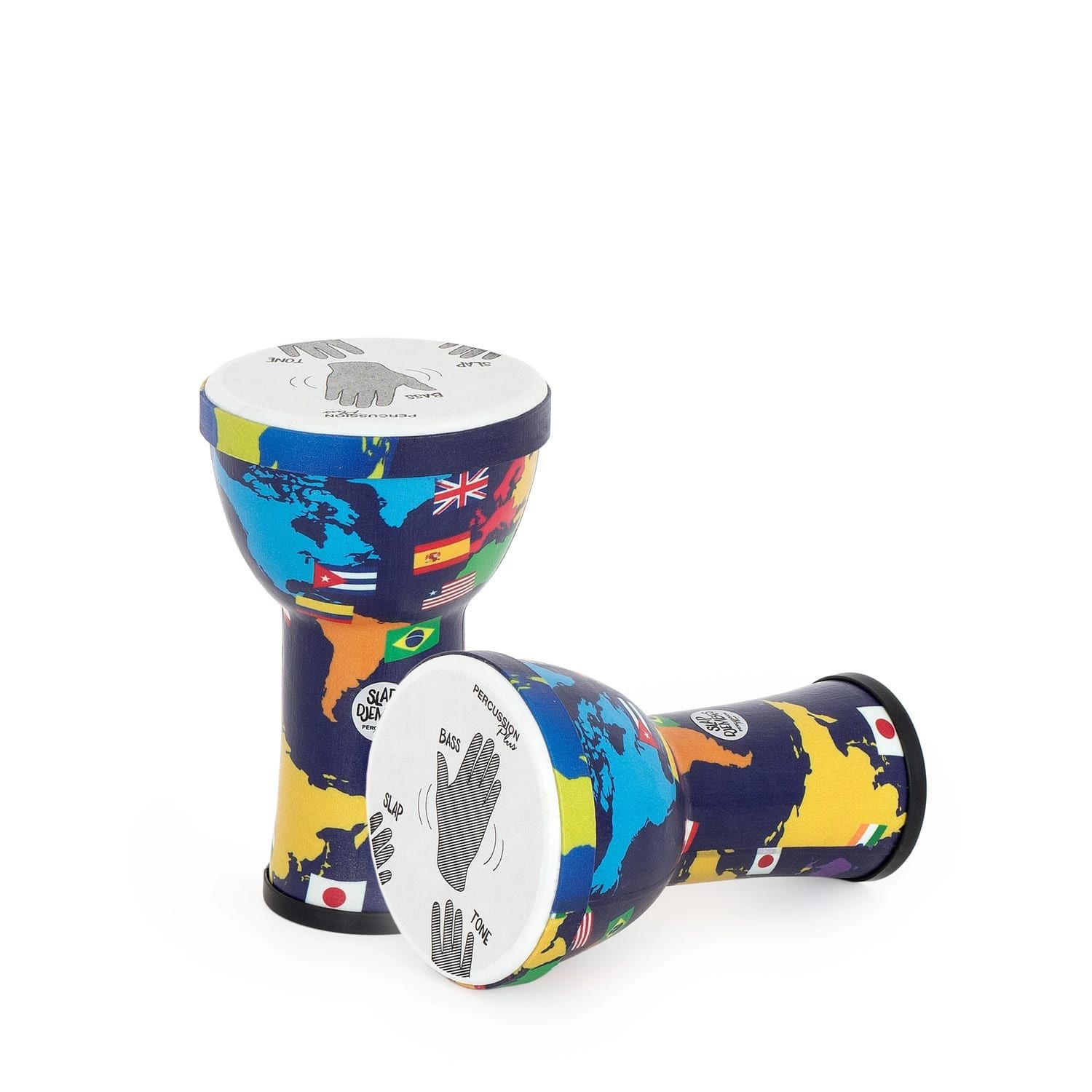
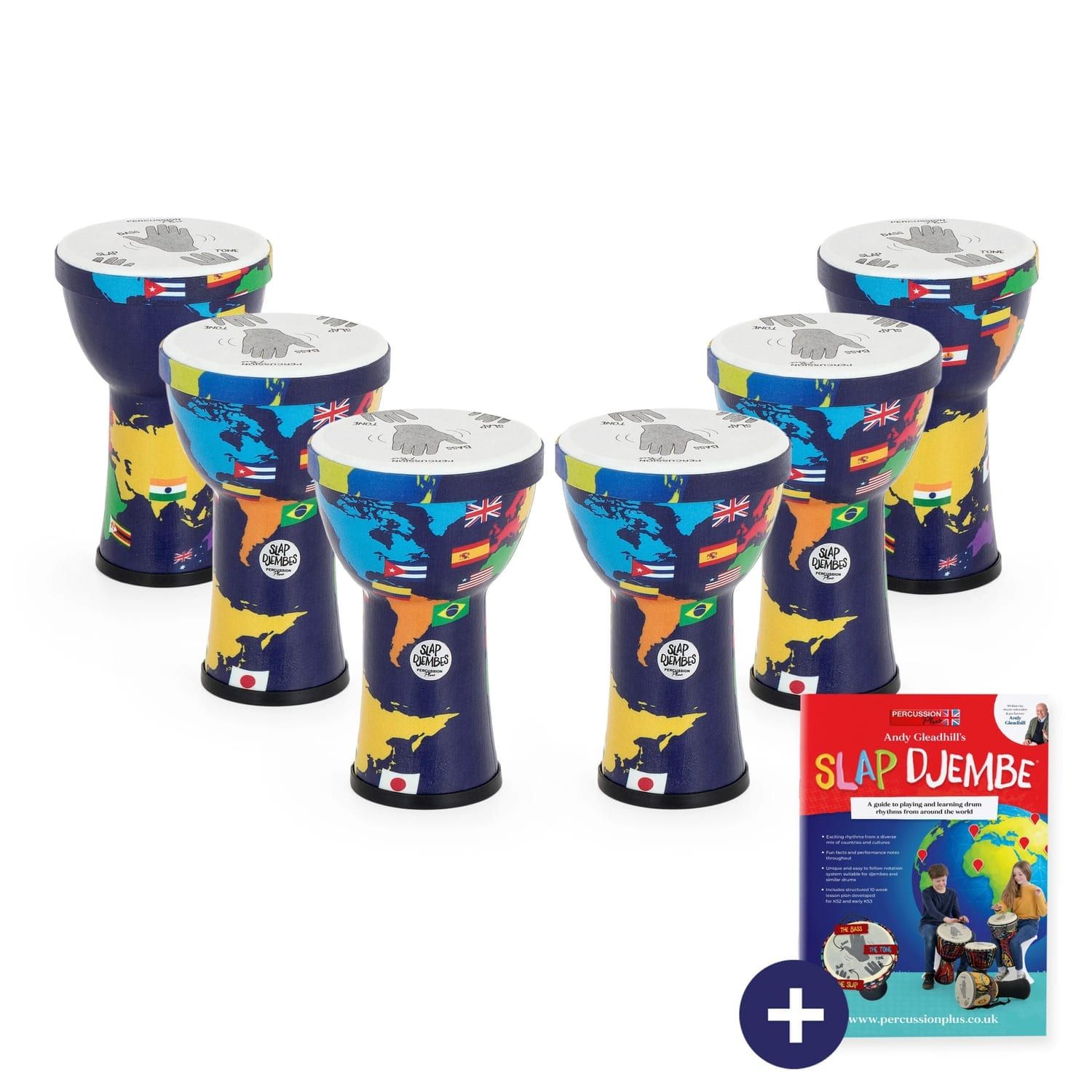
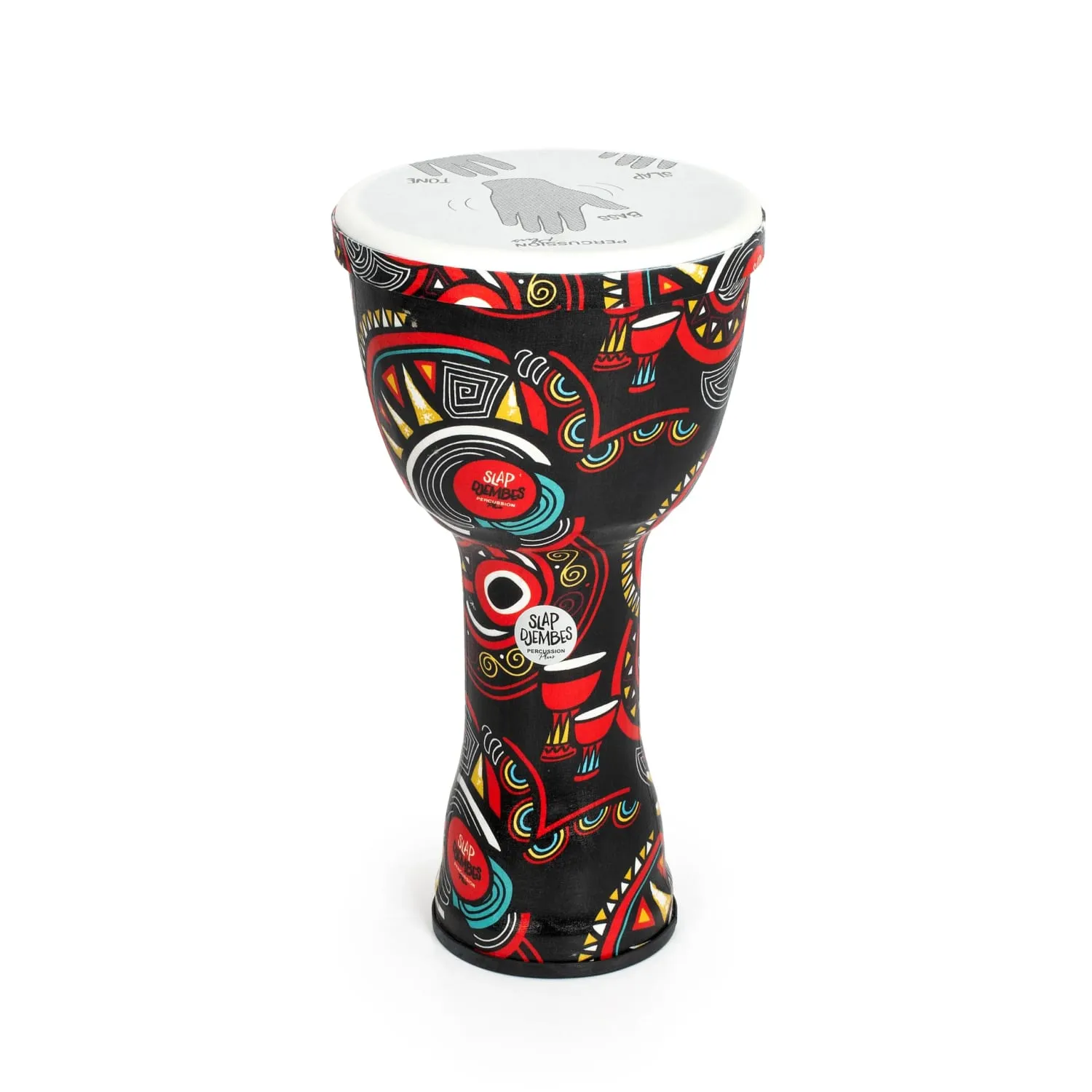
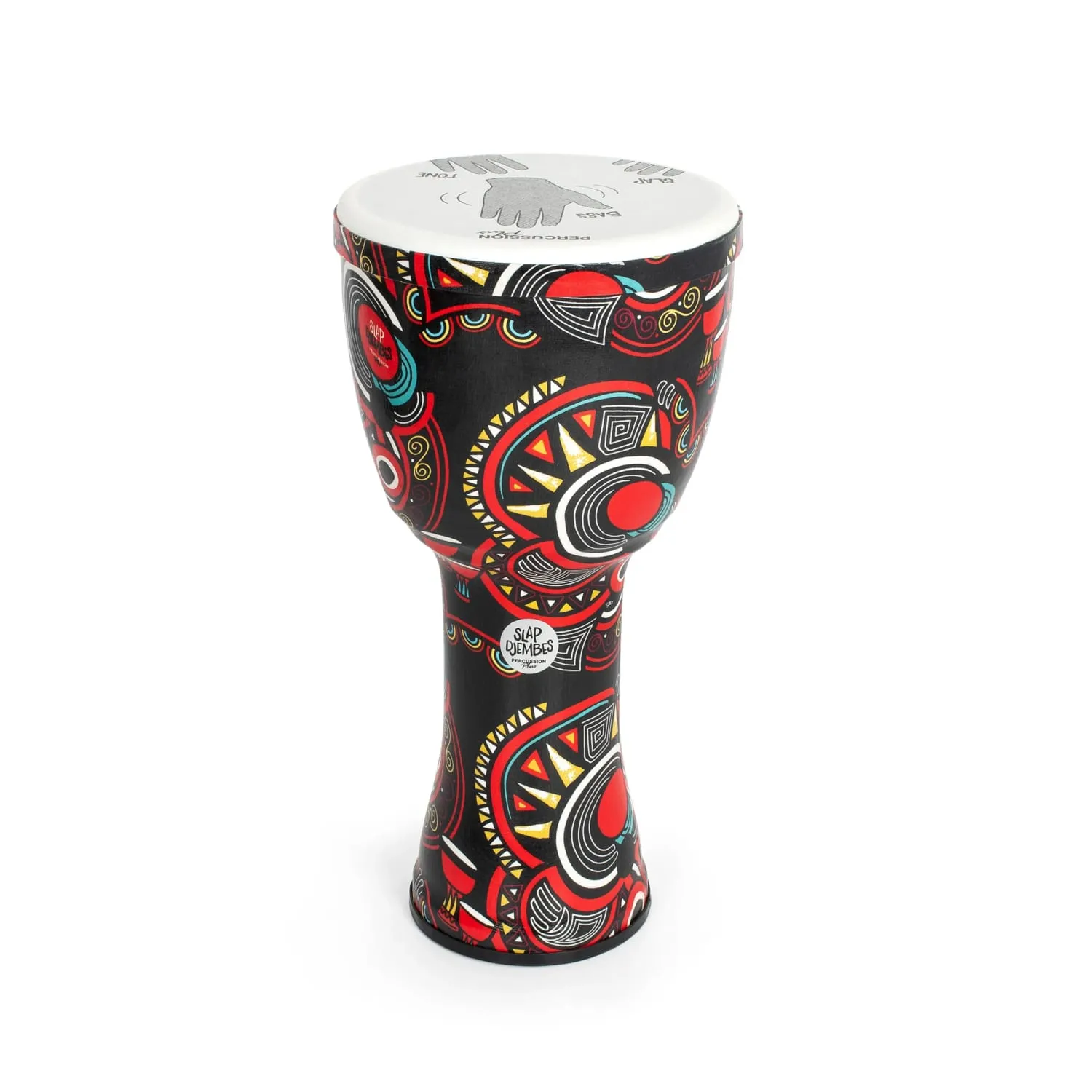
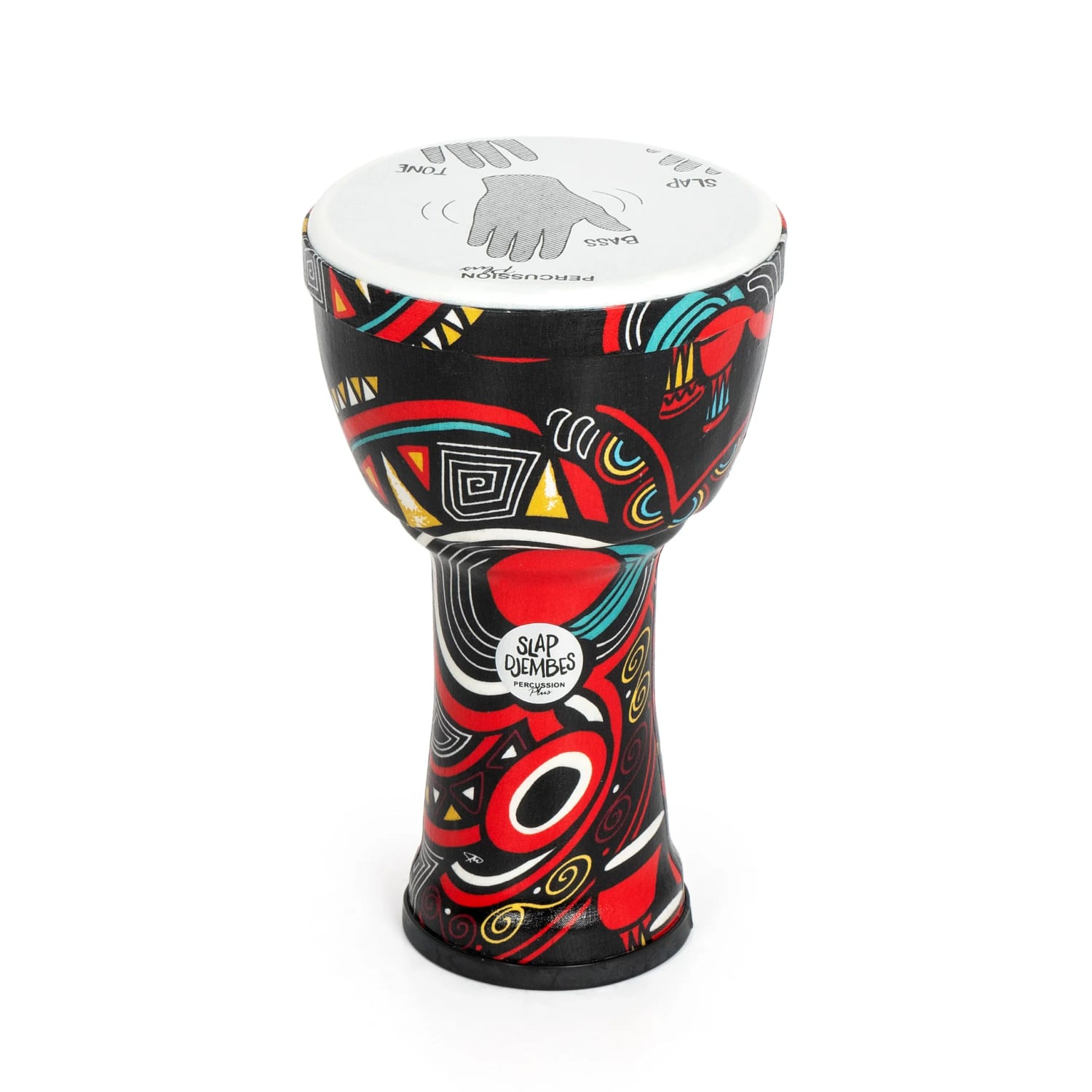
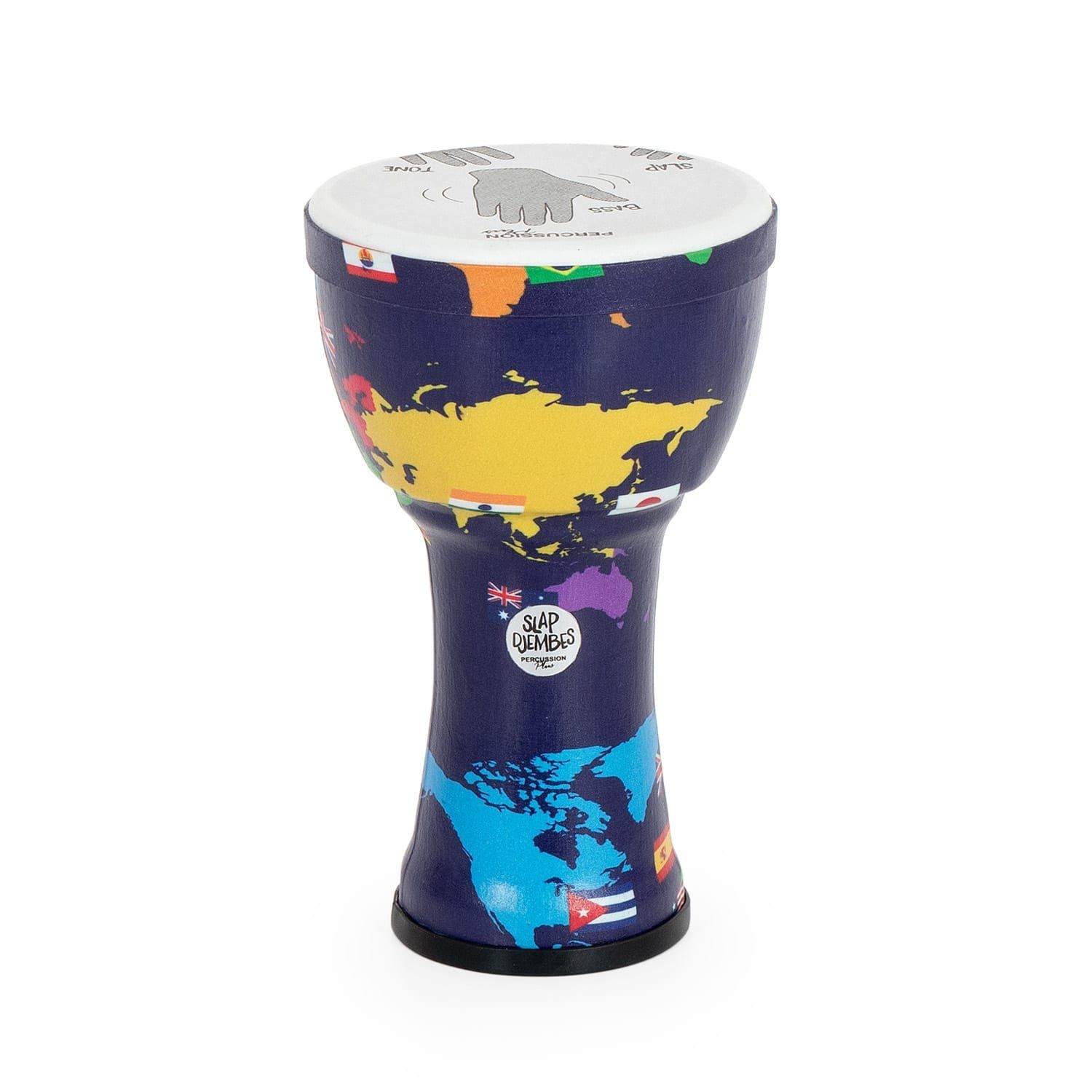
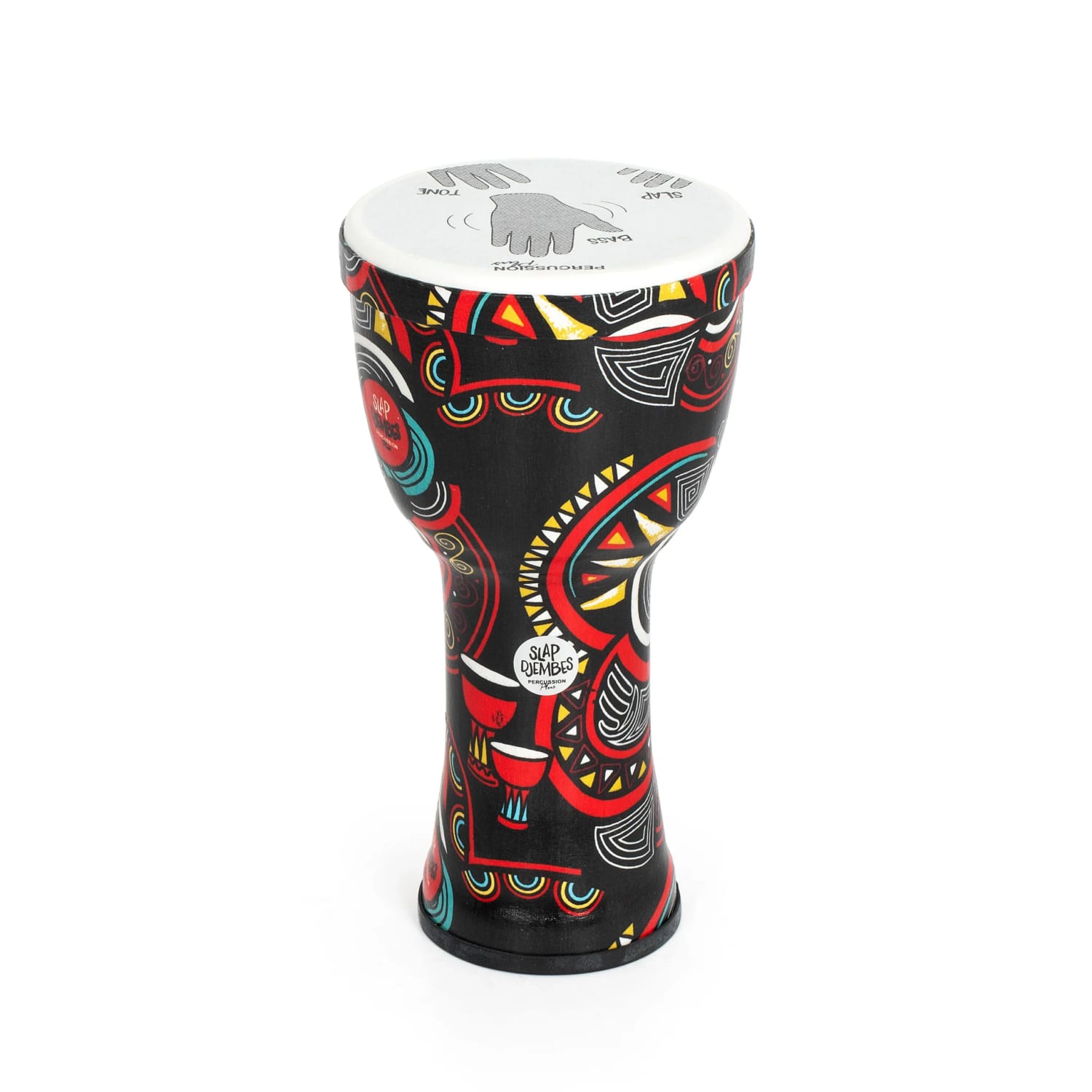
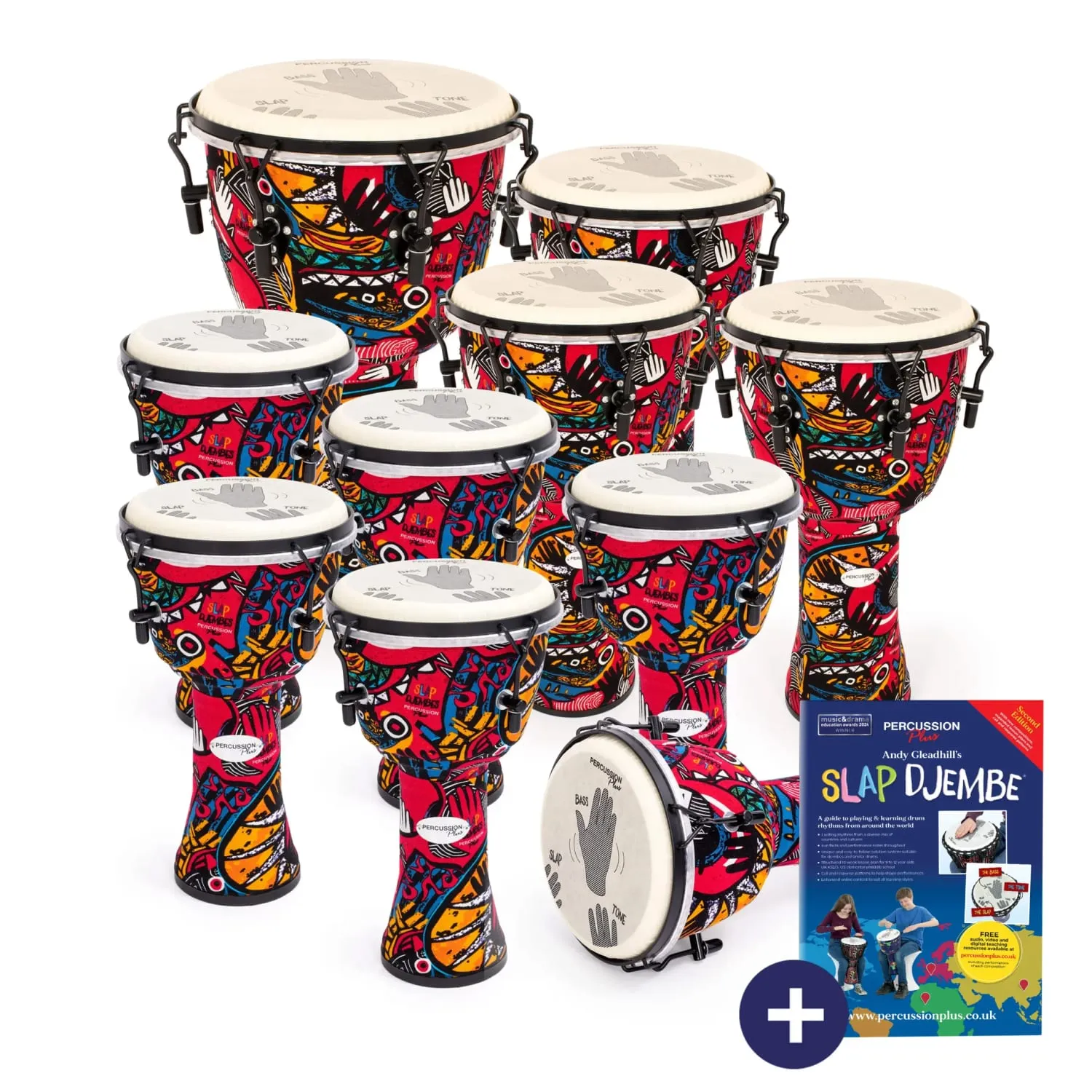
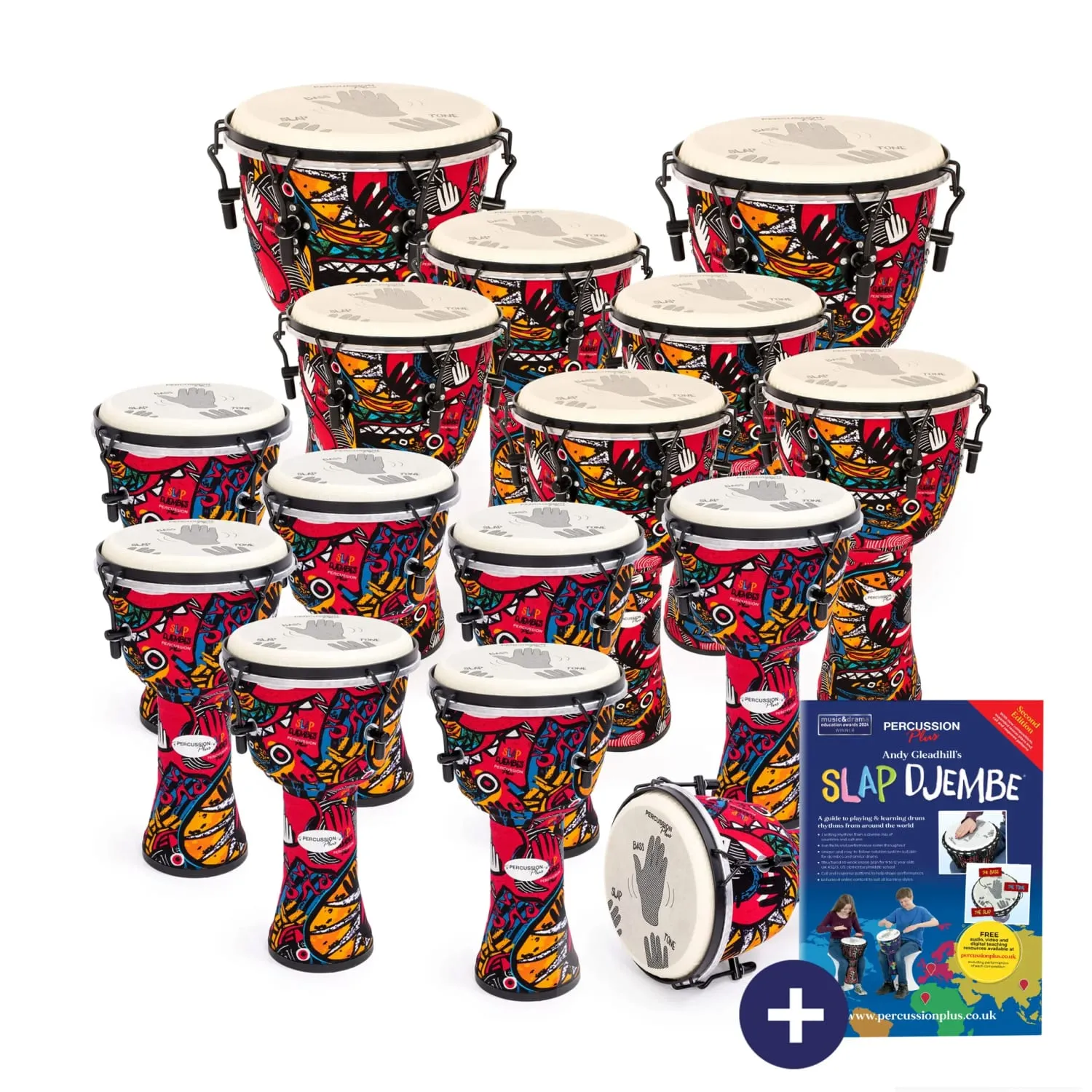
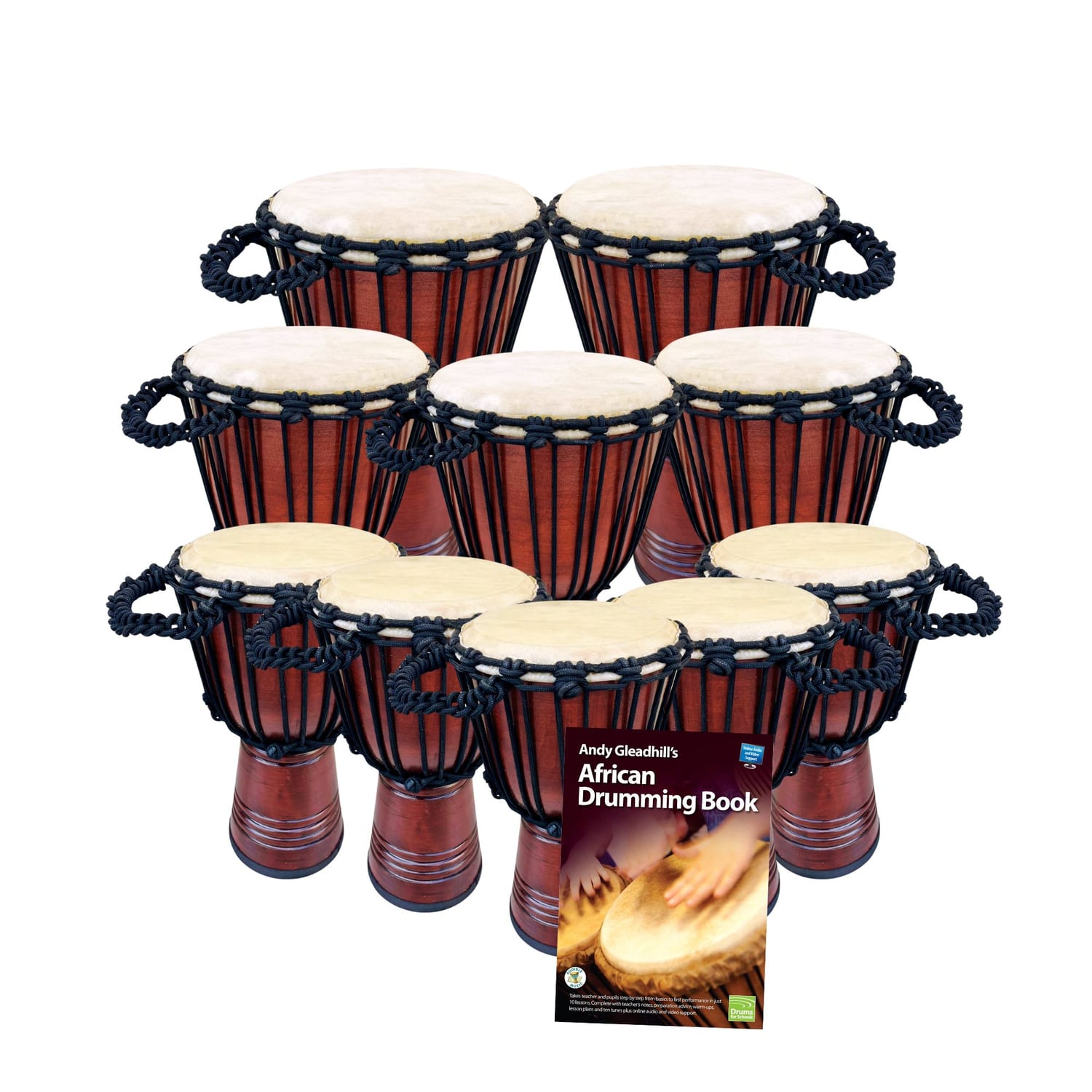
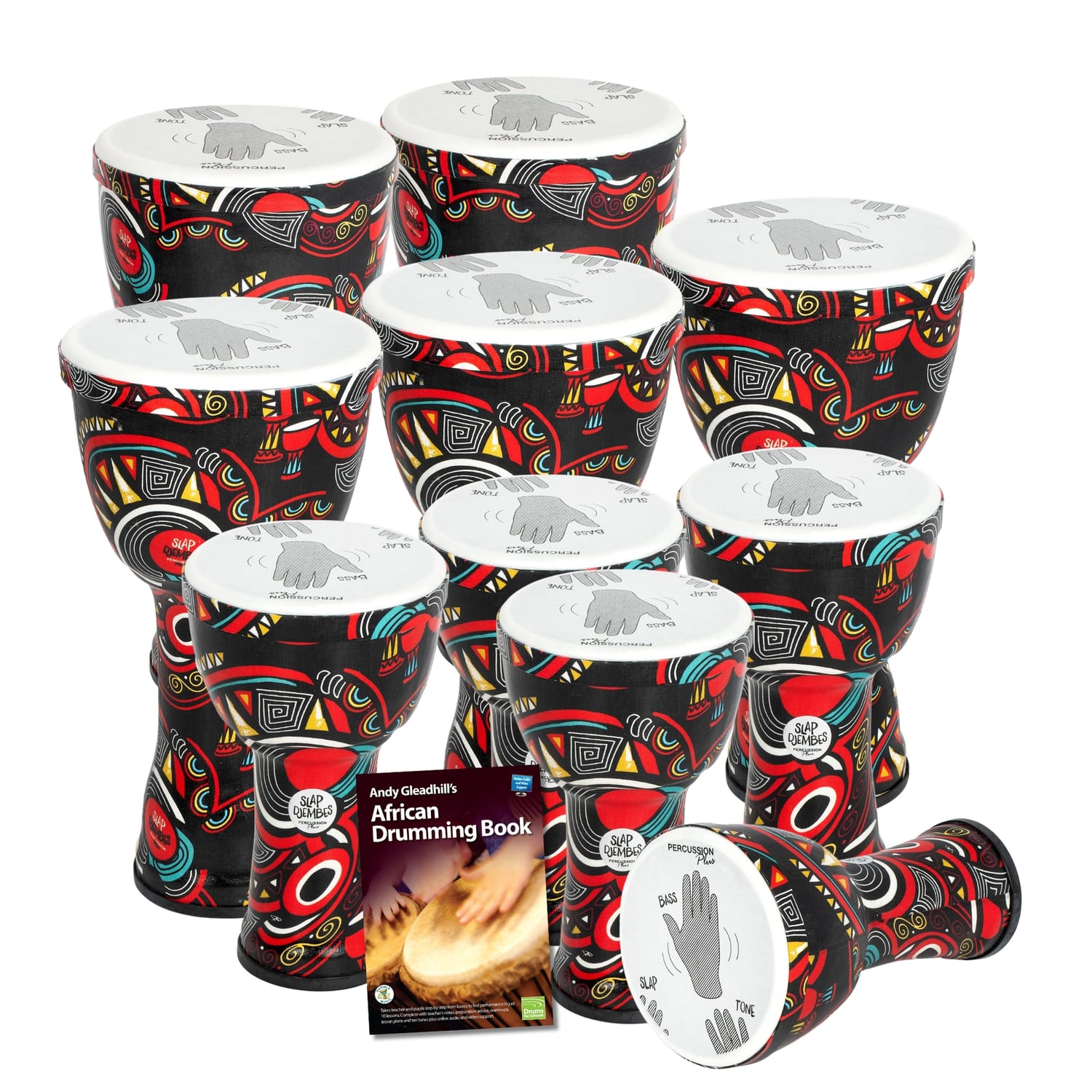
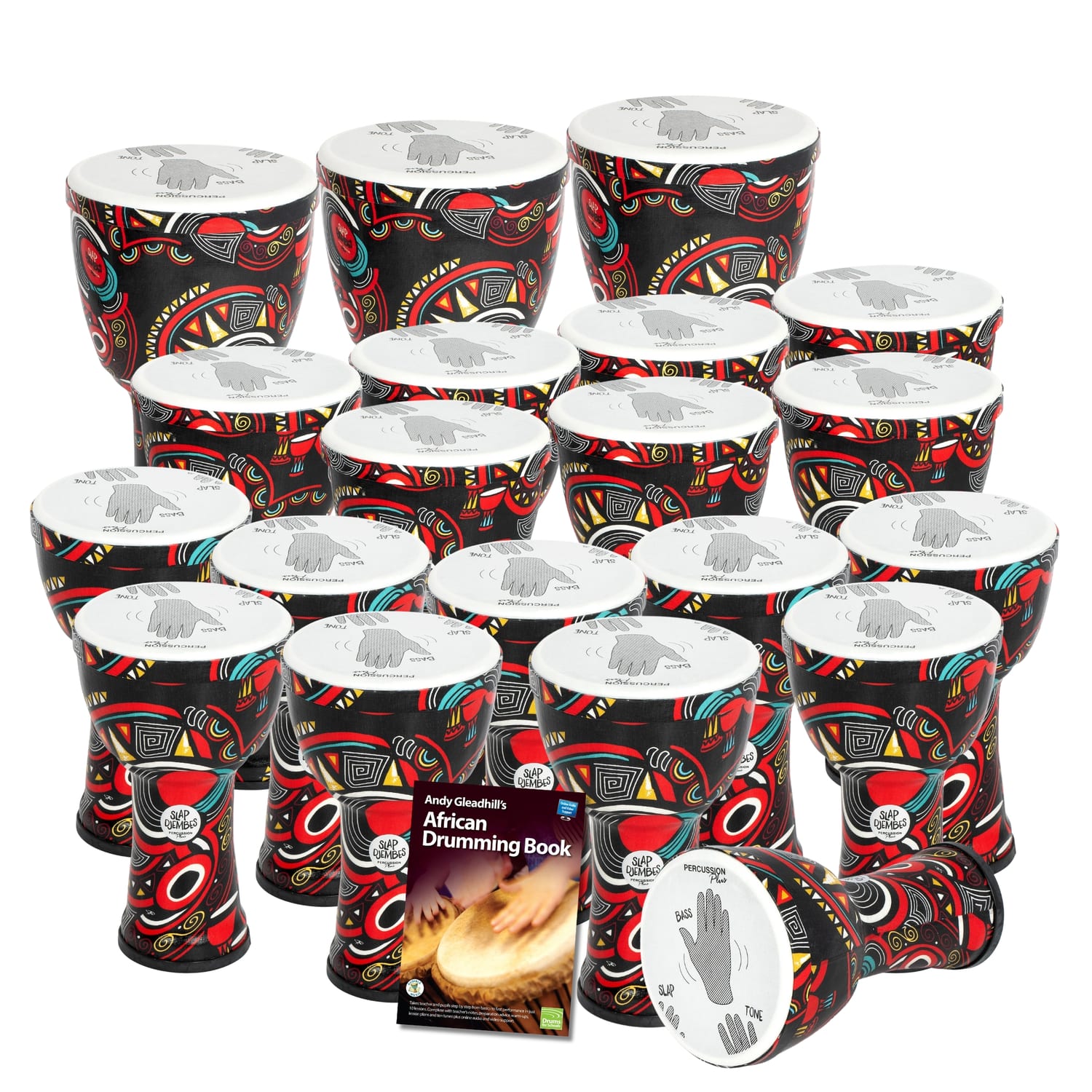
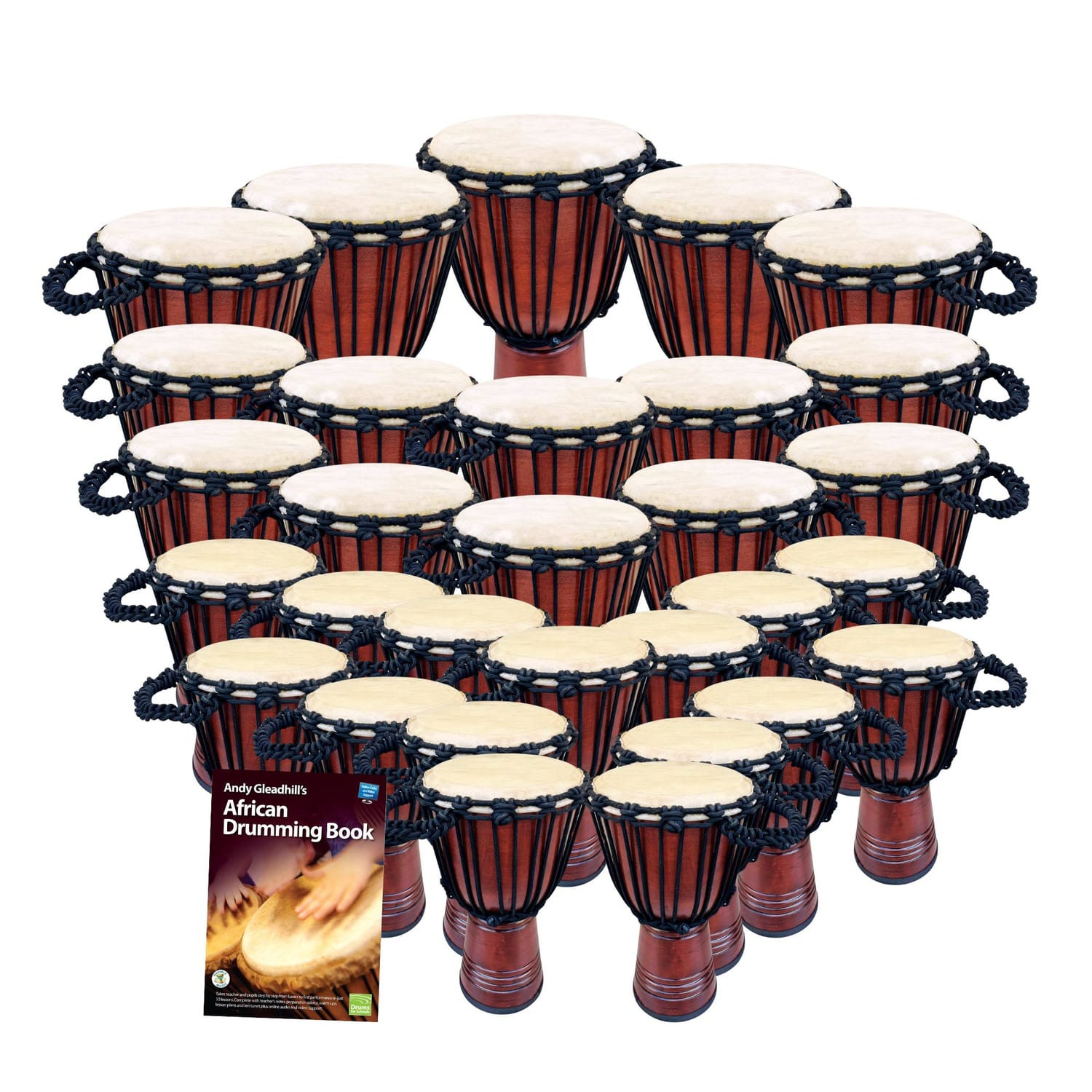
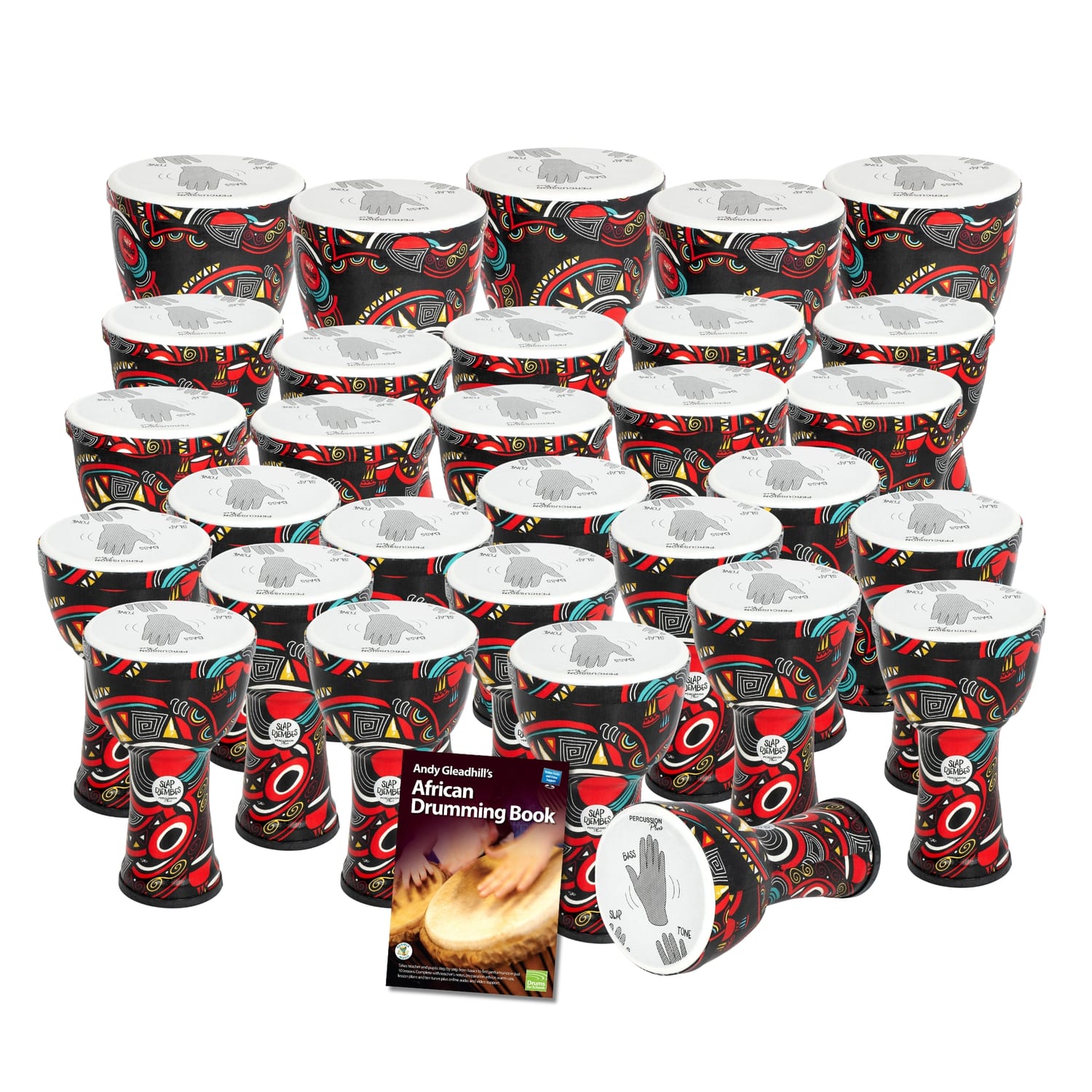
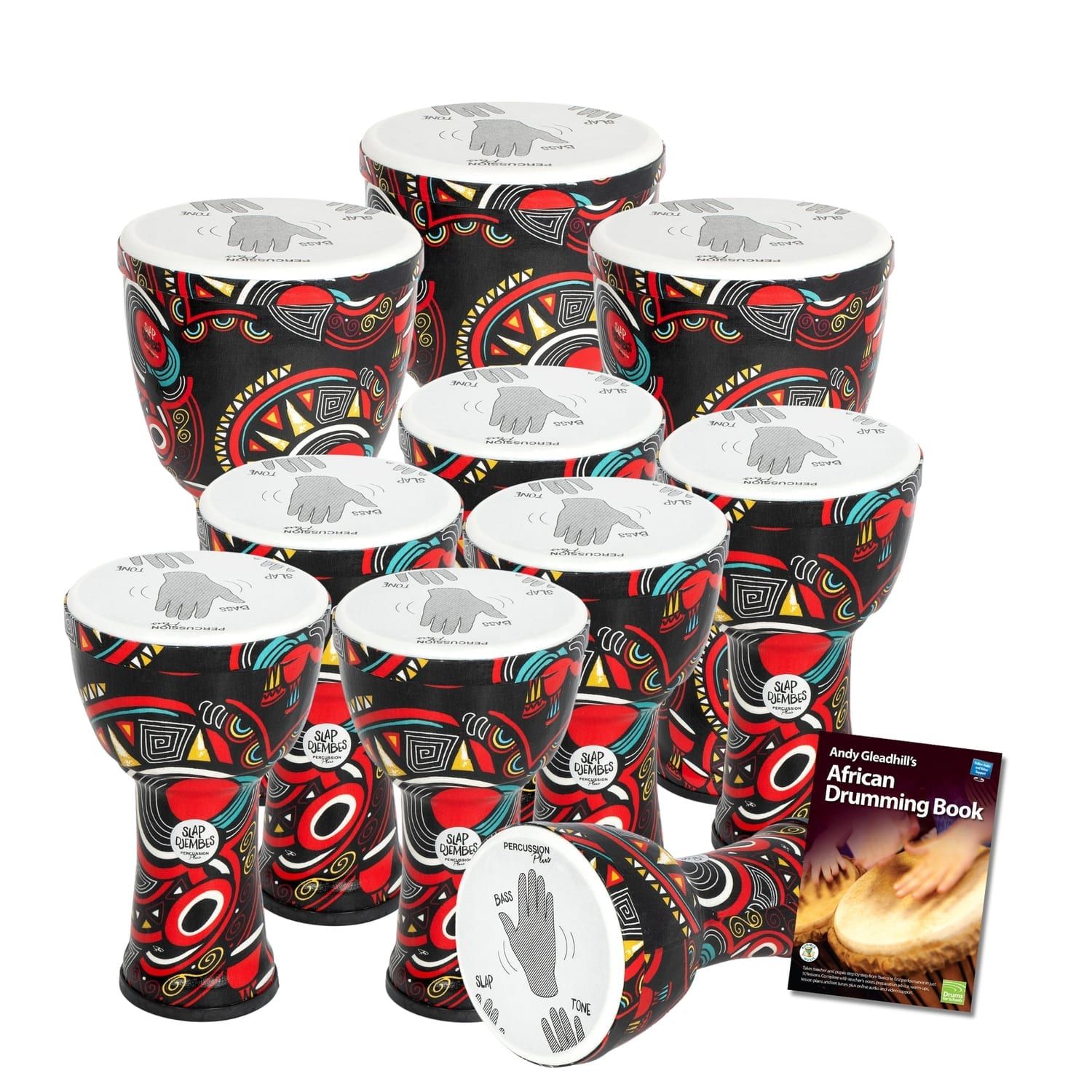
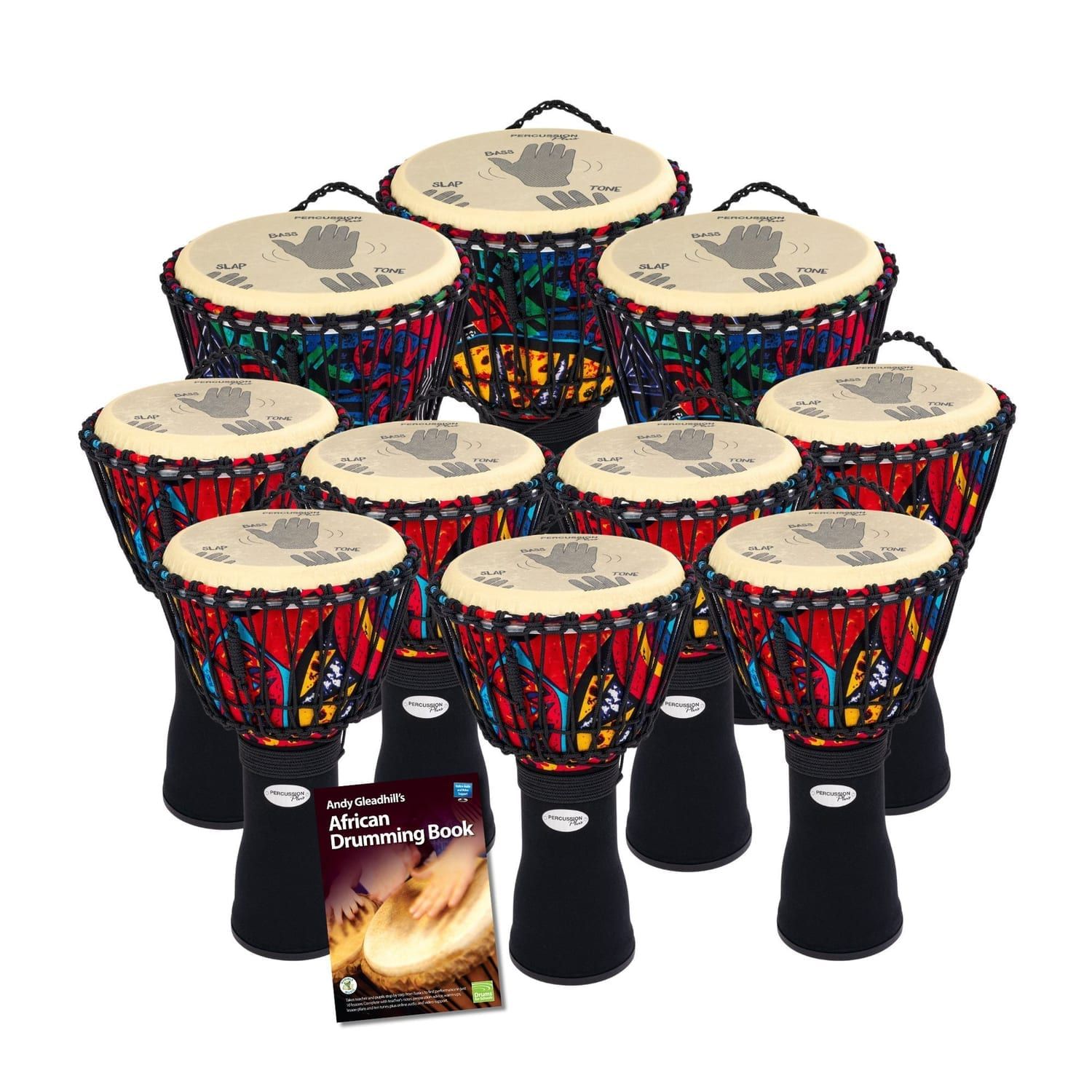
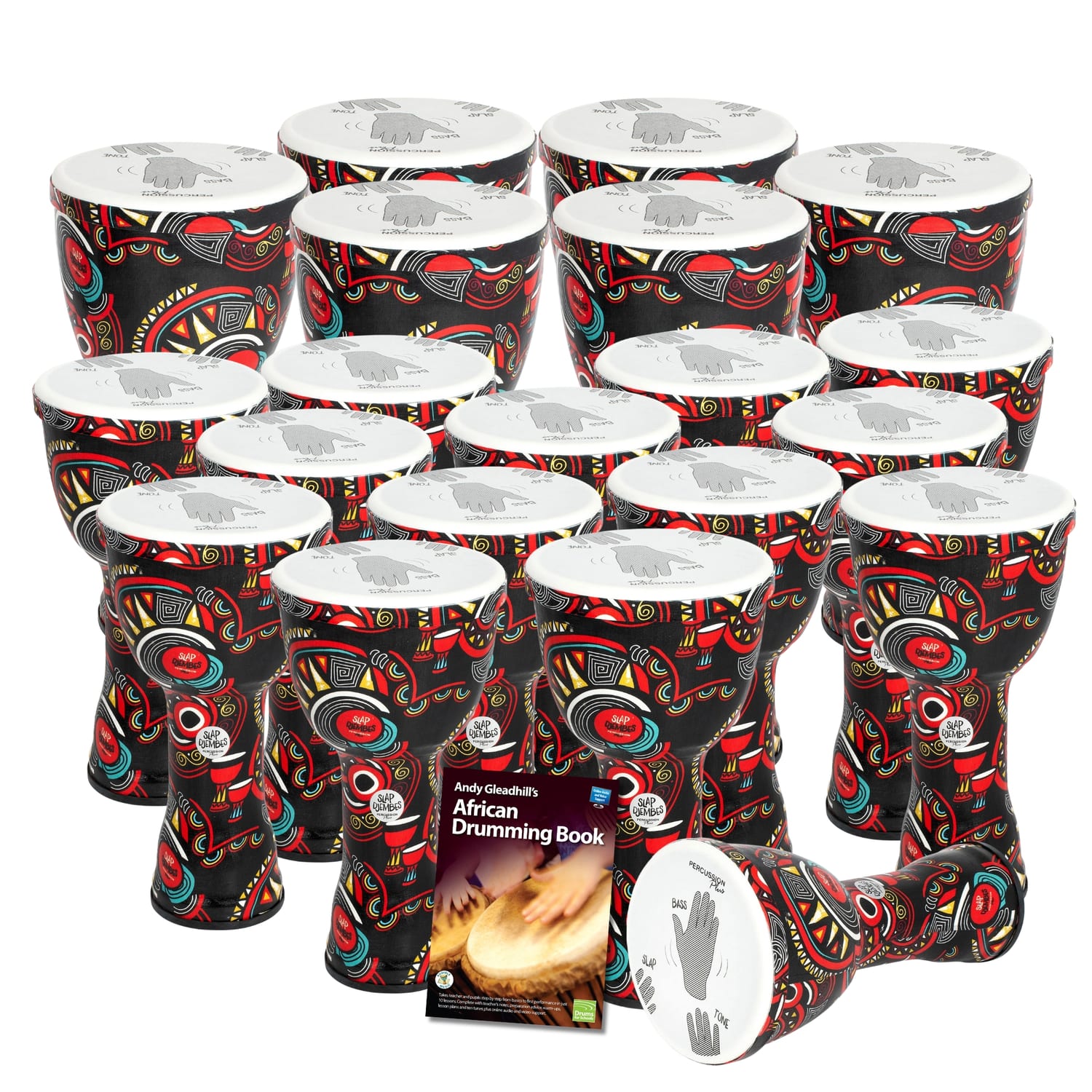
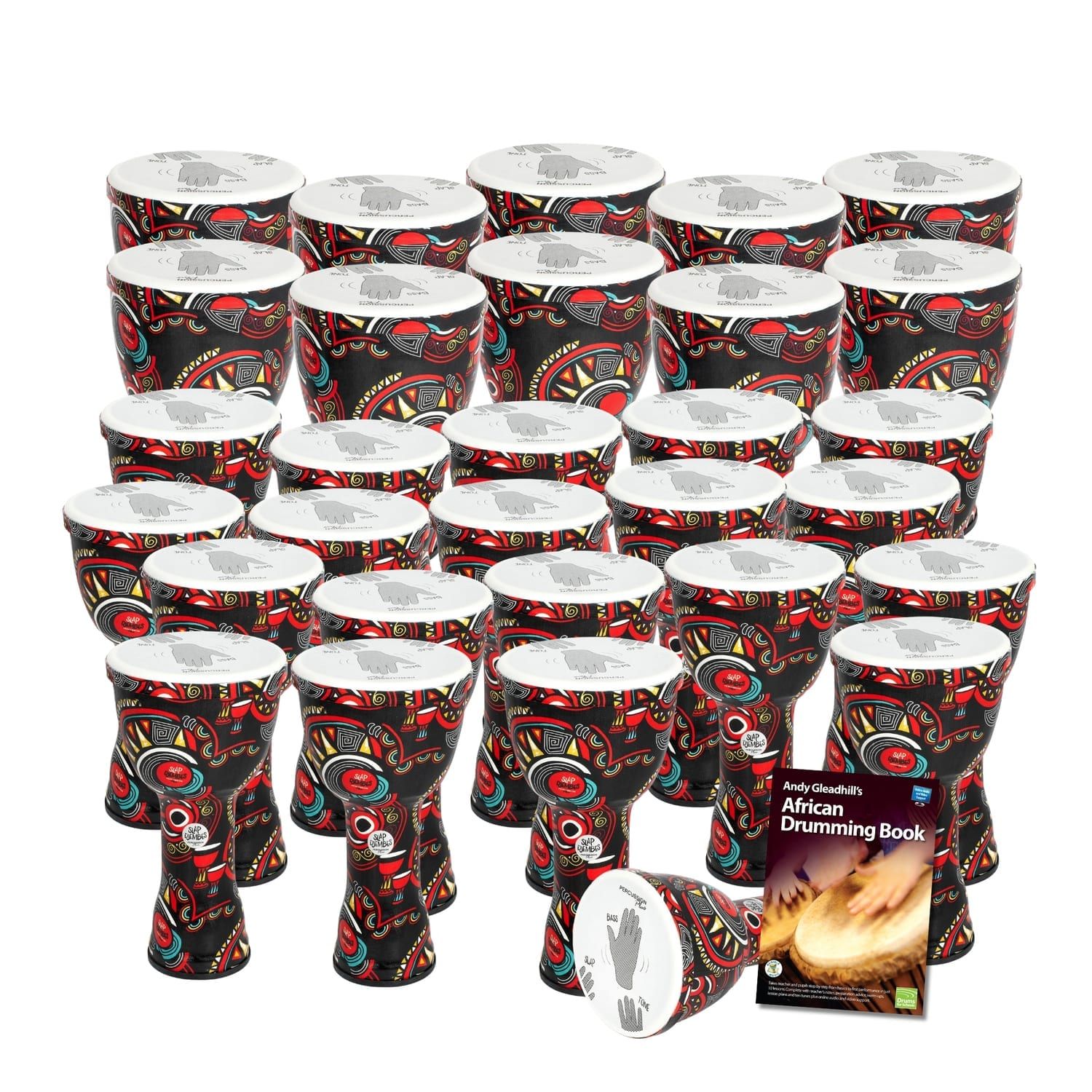
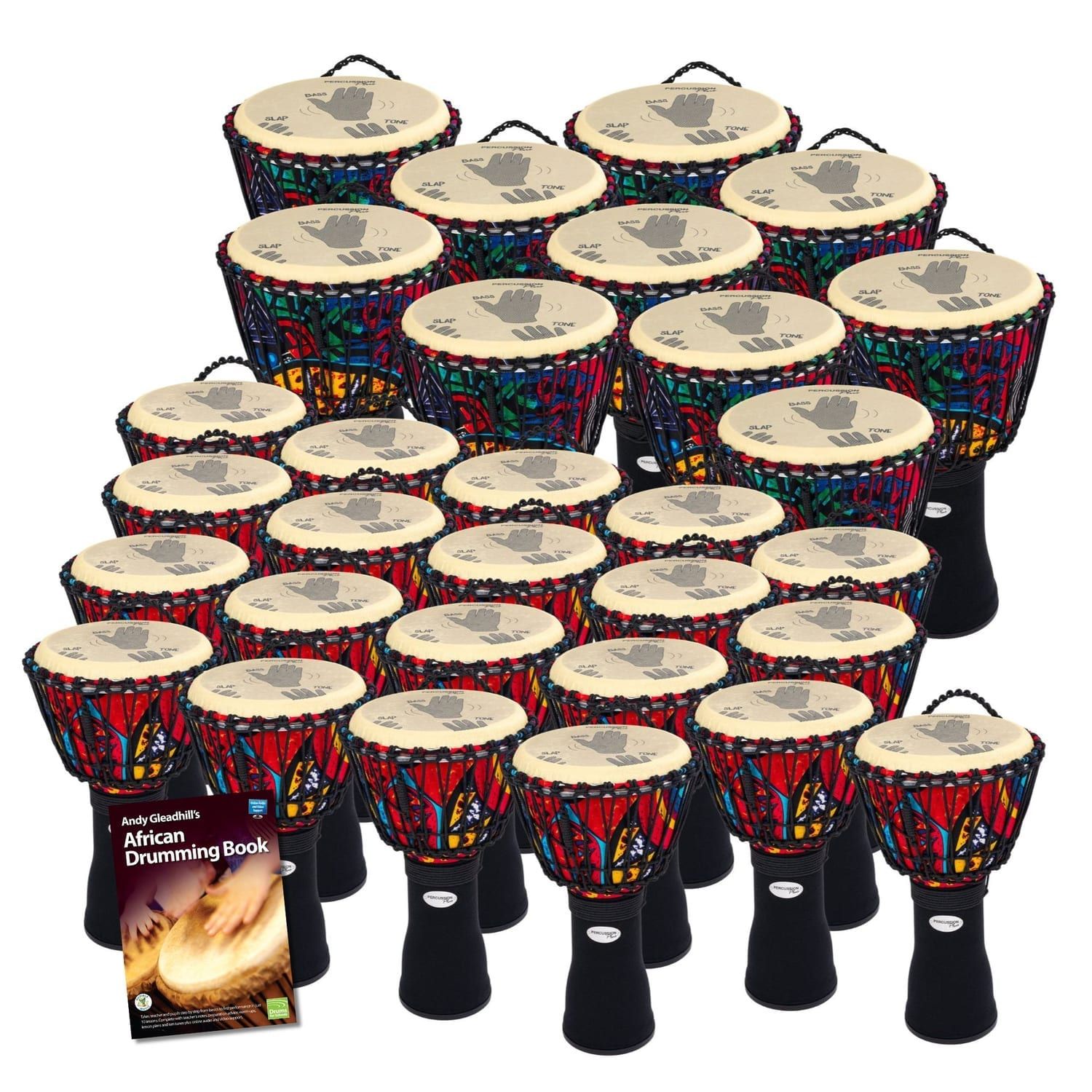
Djembe Drum 6" diameter, 27cm high, World Slap synthetic - pre-tuned - 6 pack
SKU: CM-PP6935
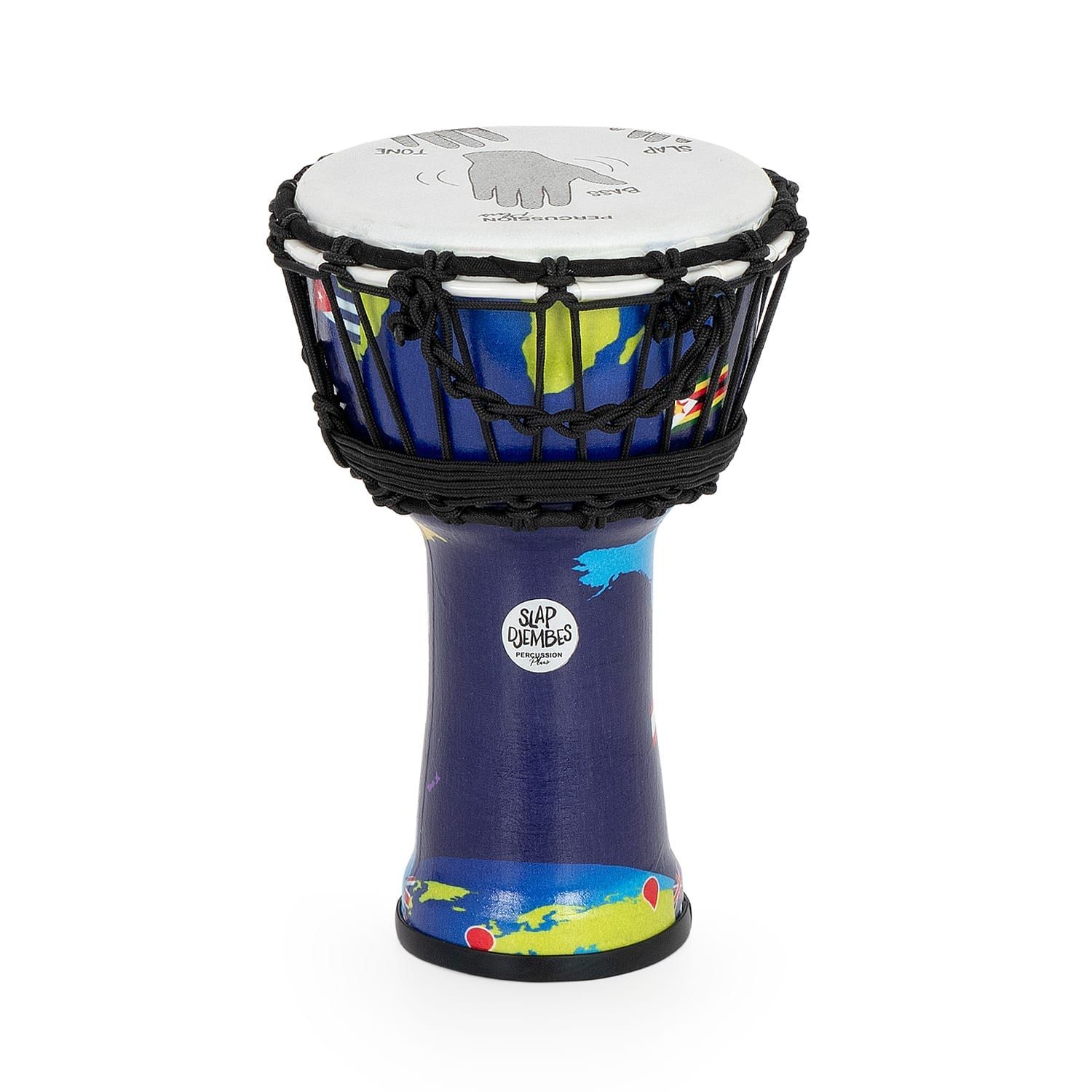
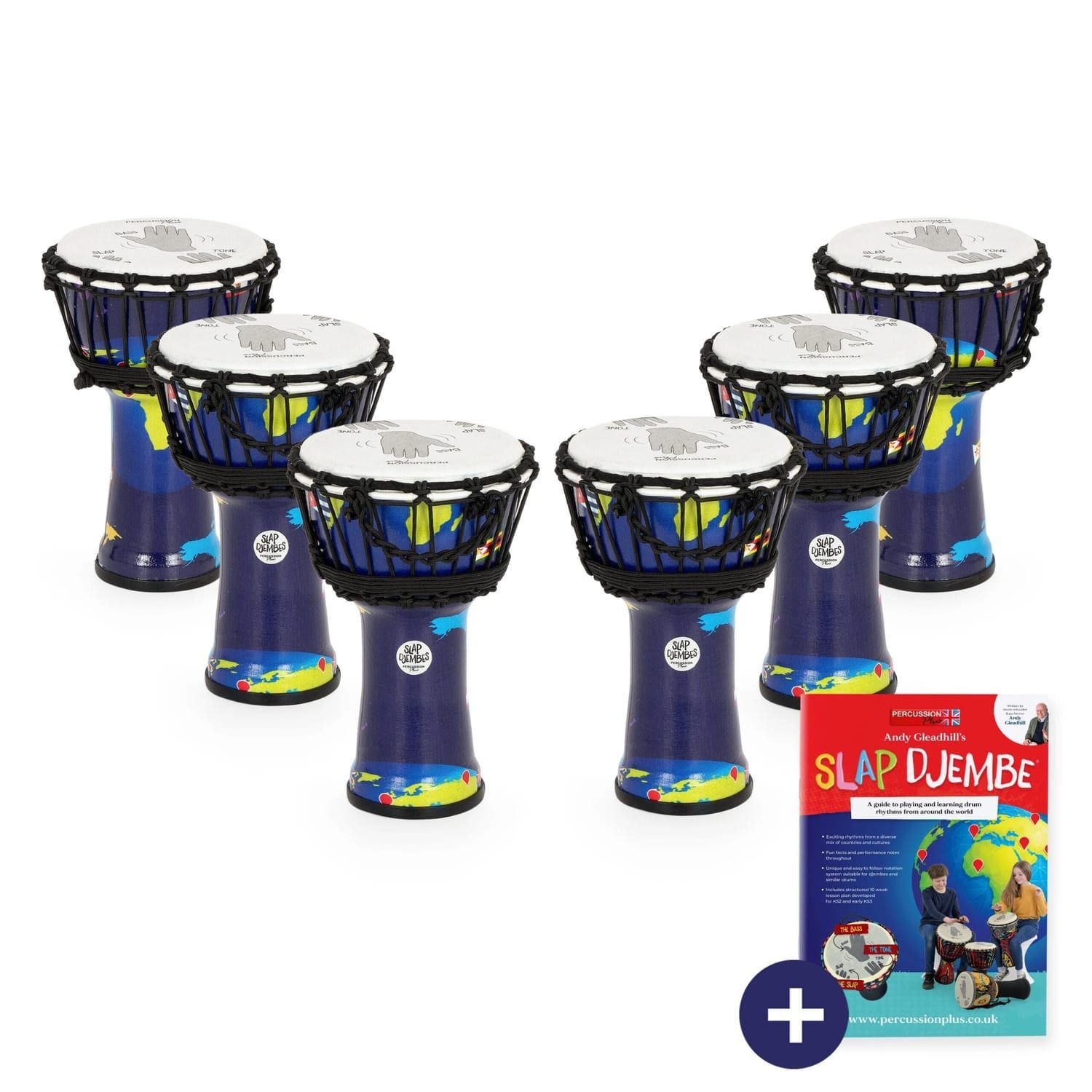
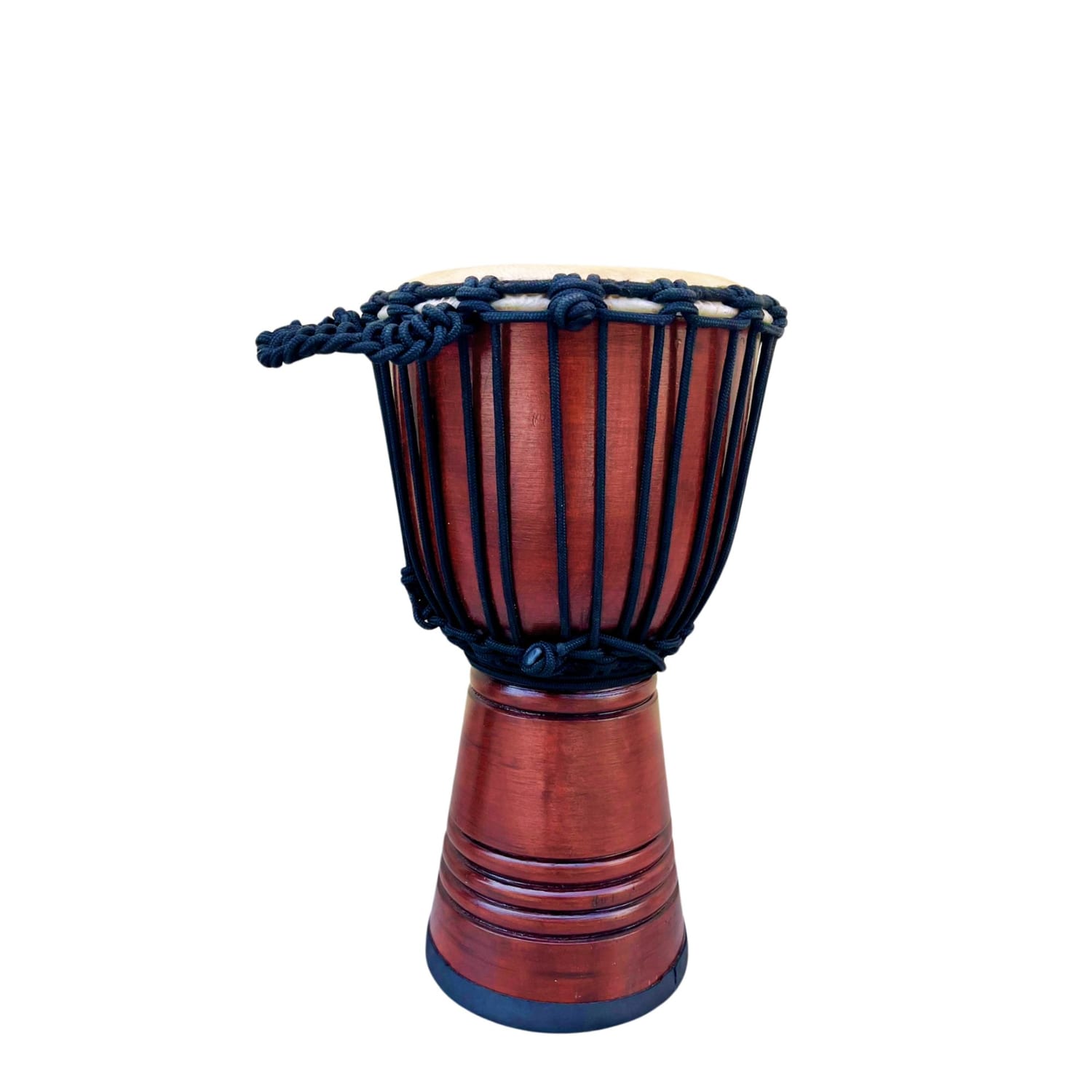
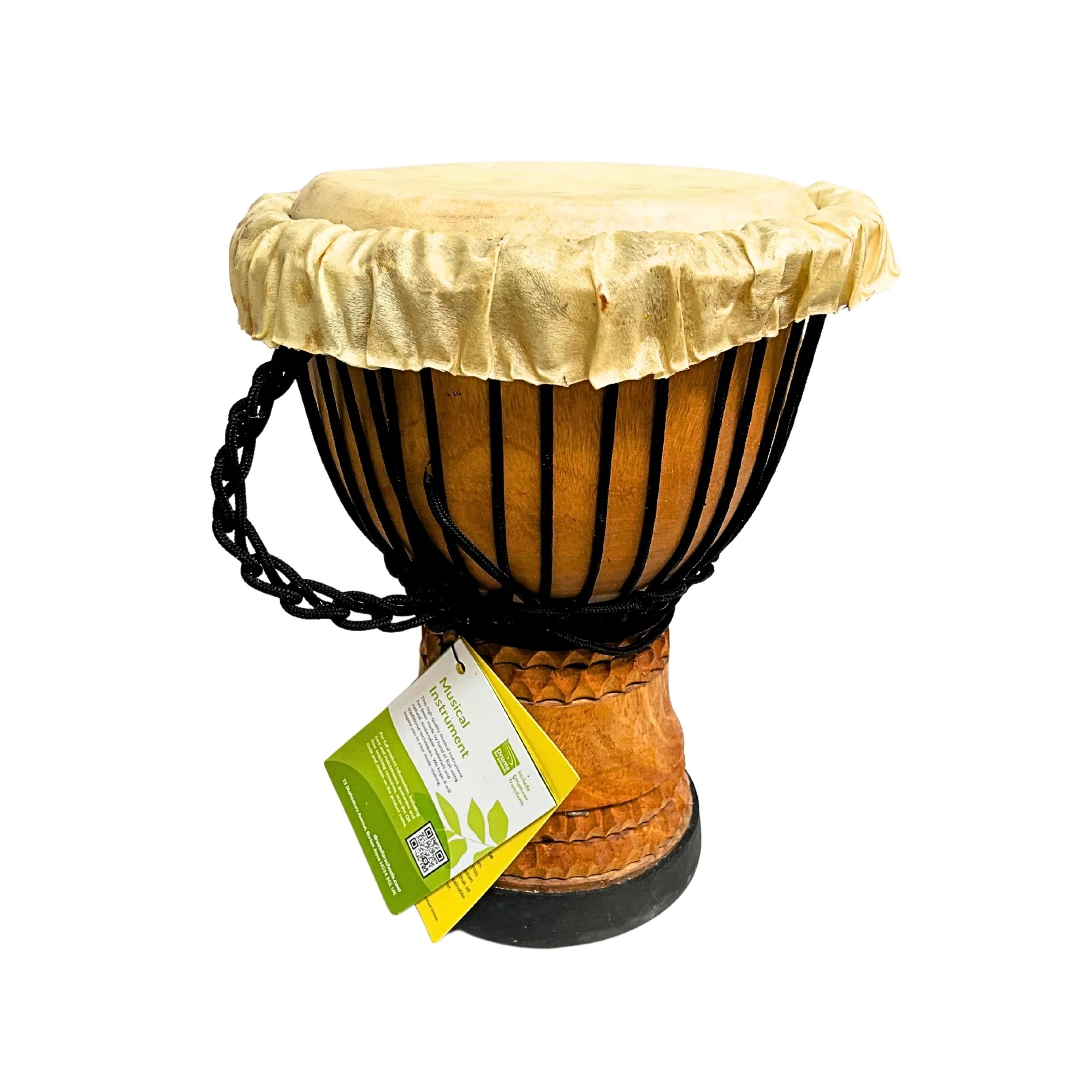
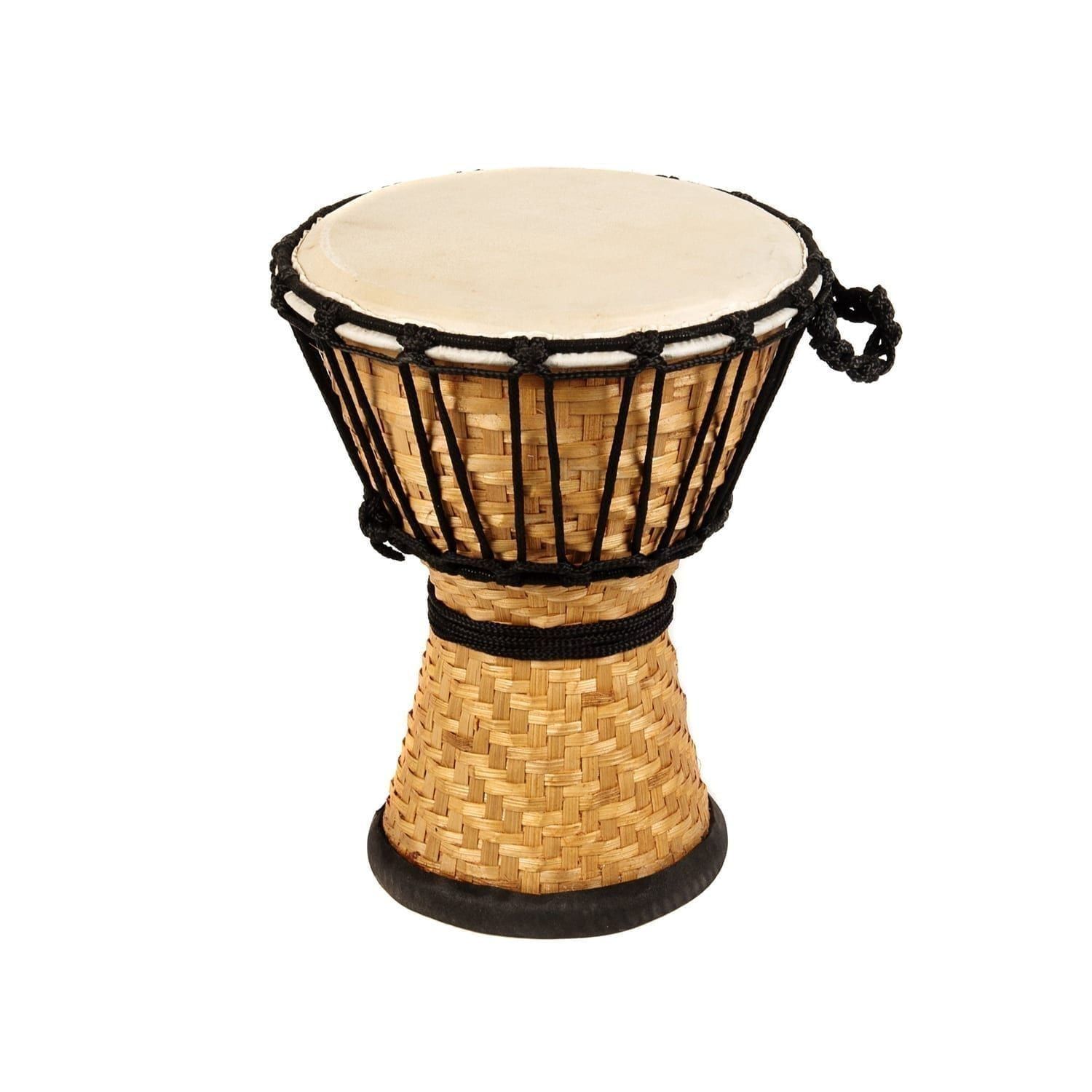
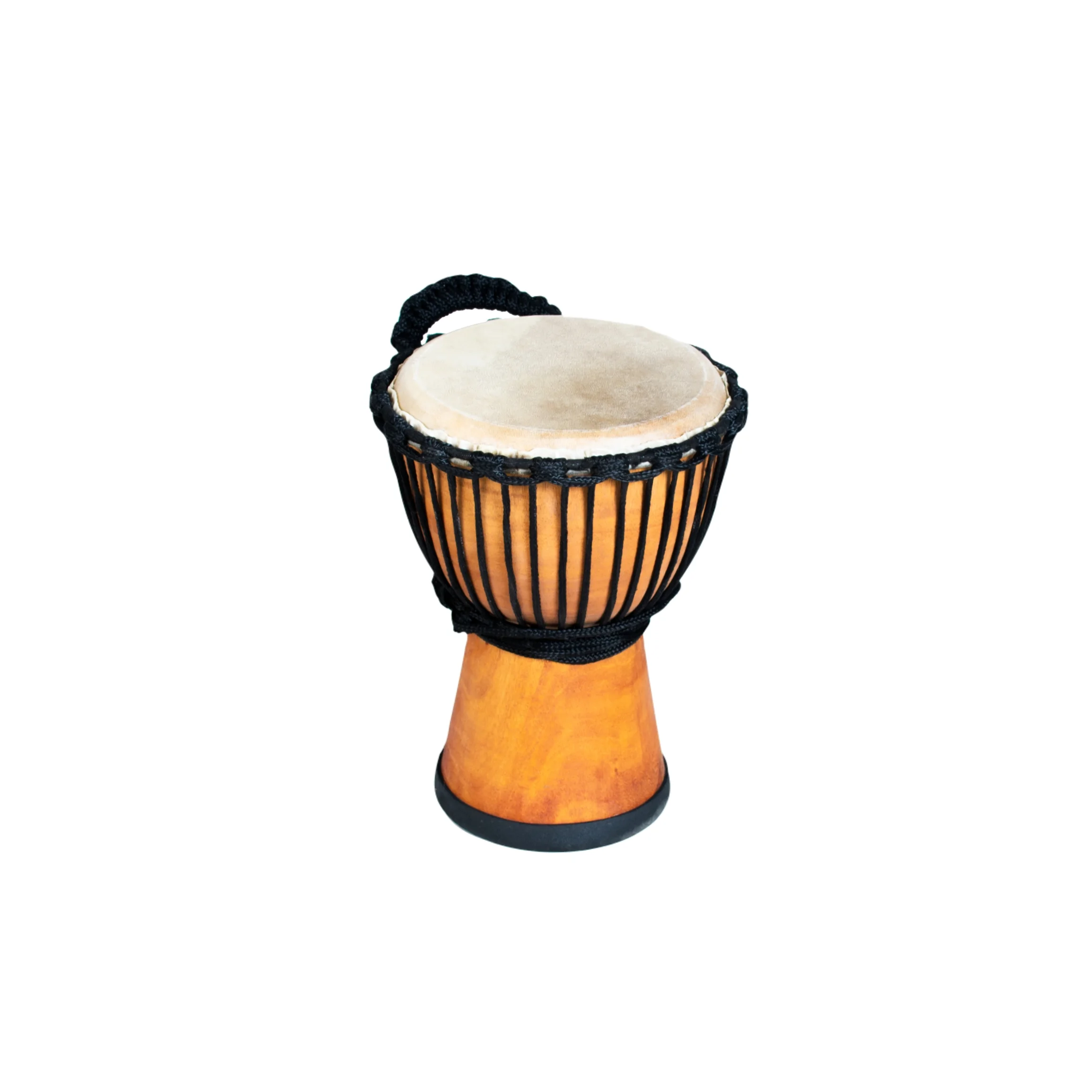
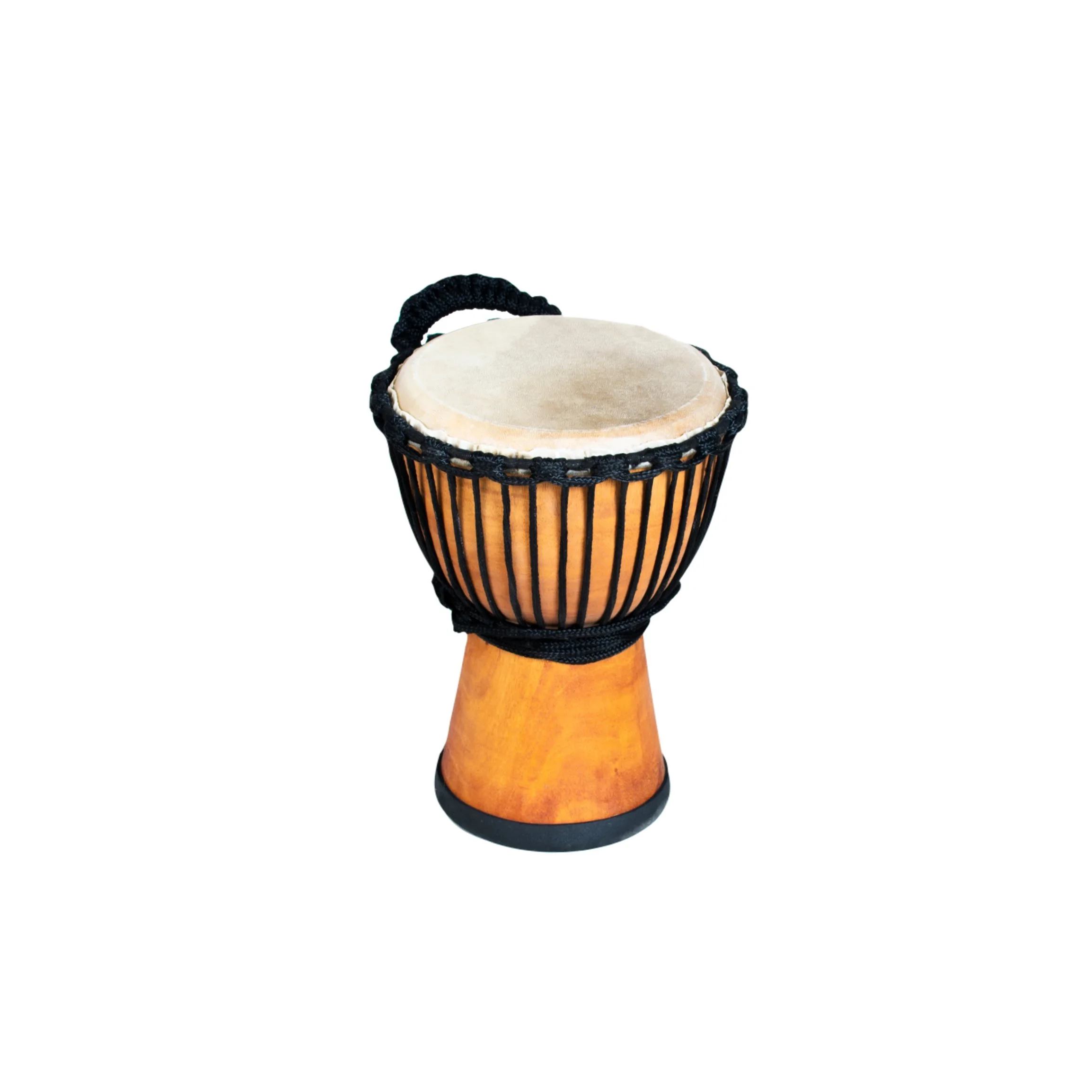
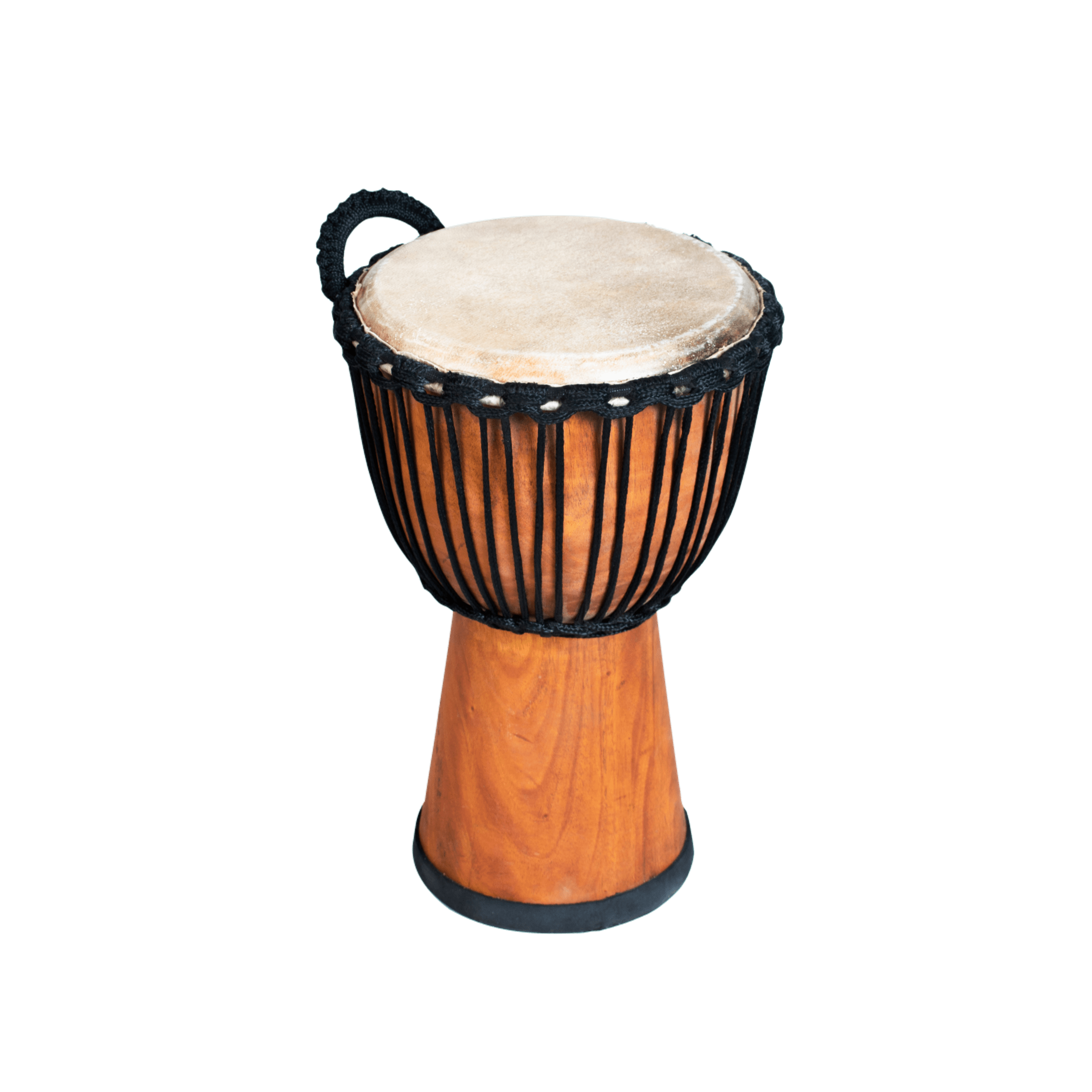
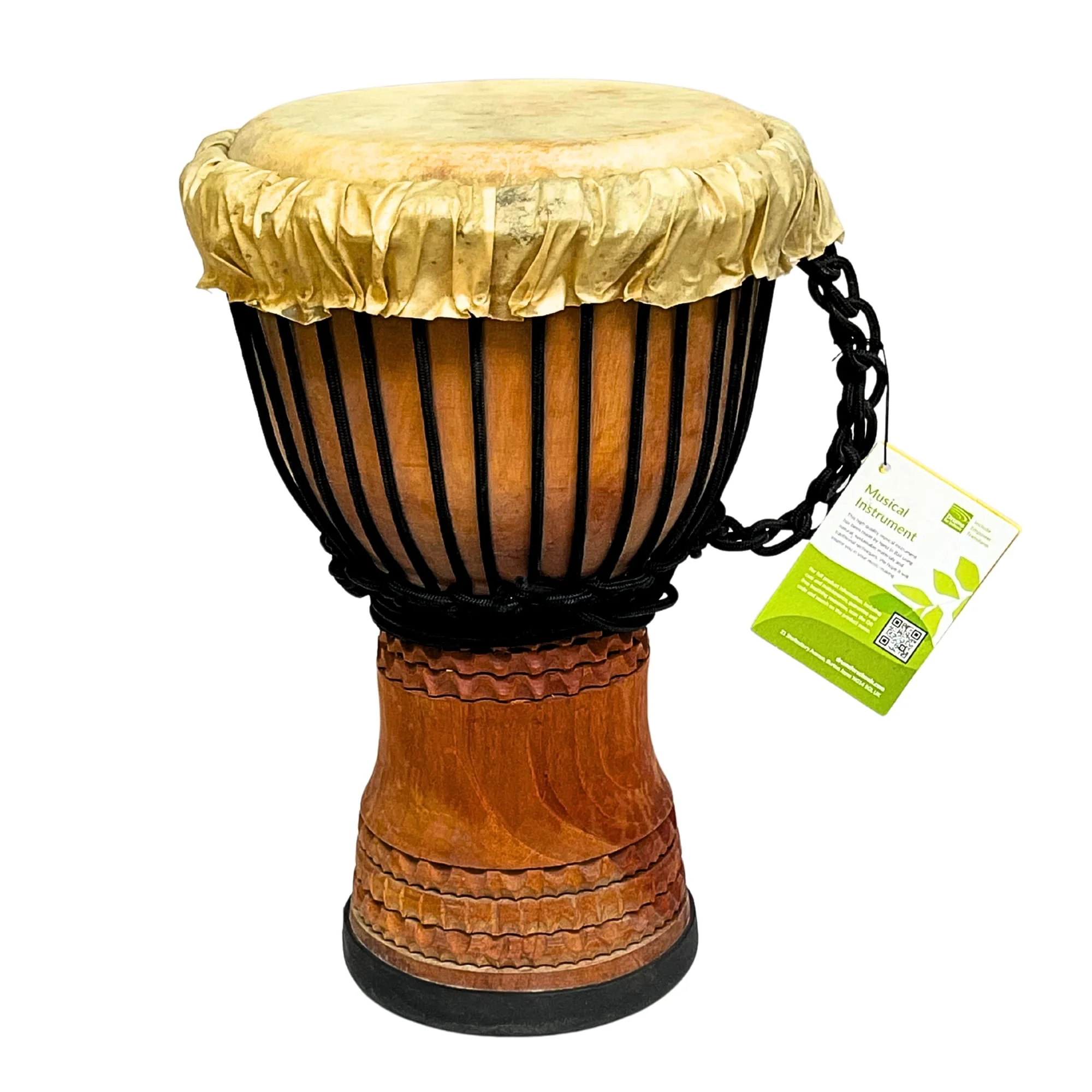
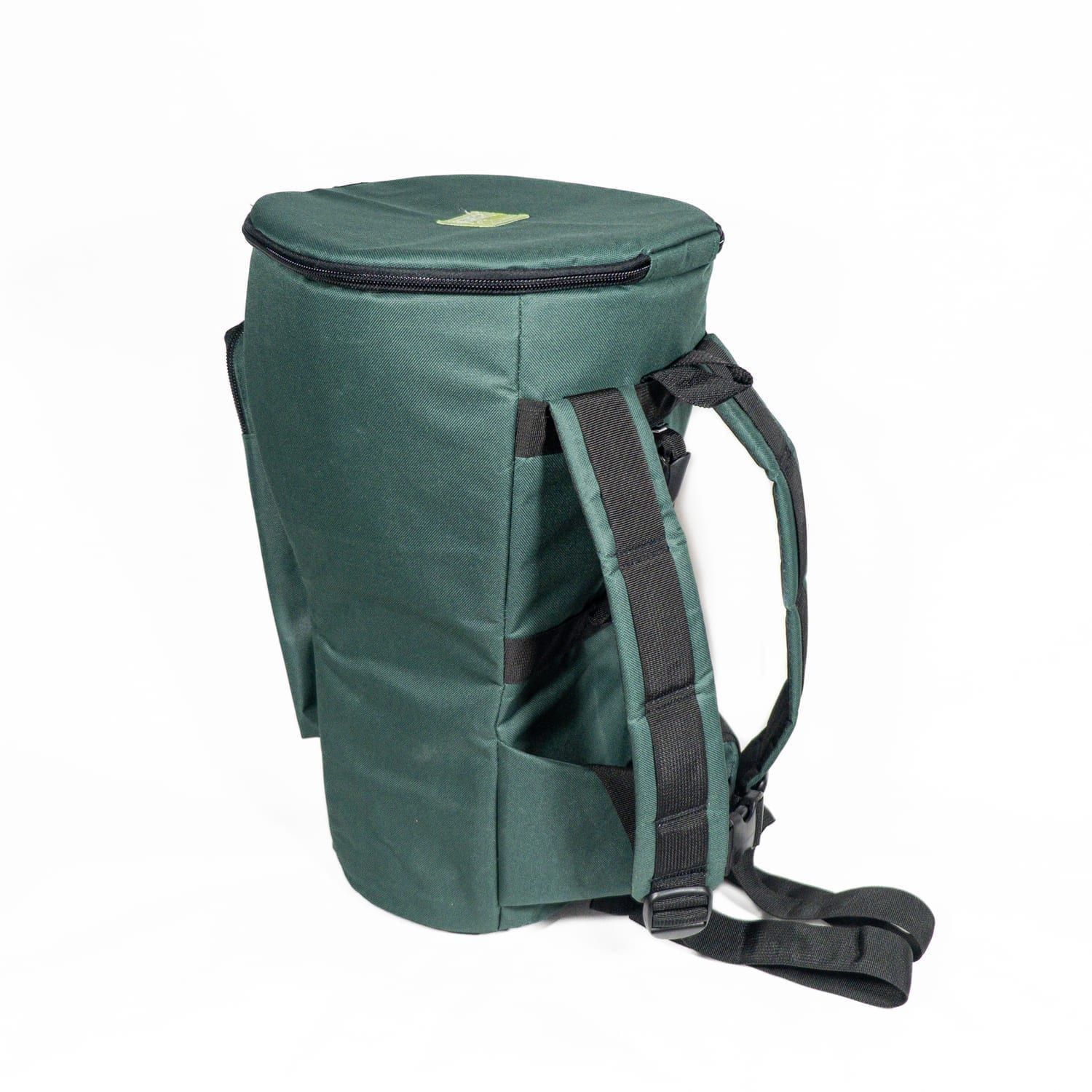
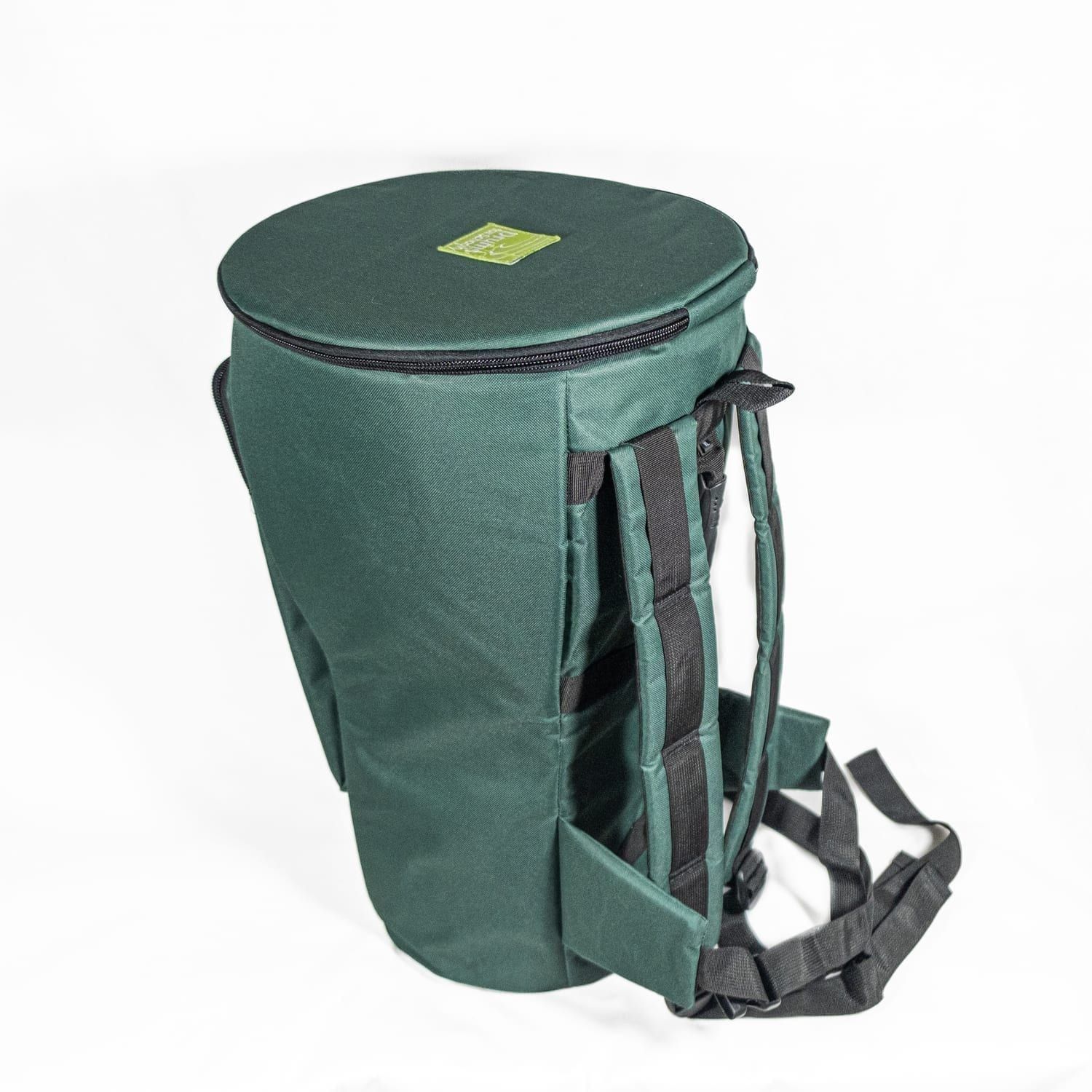
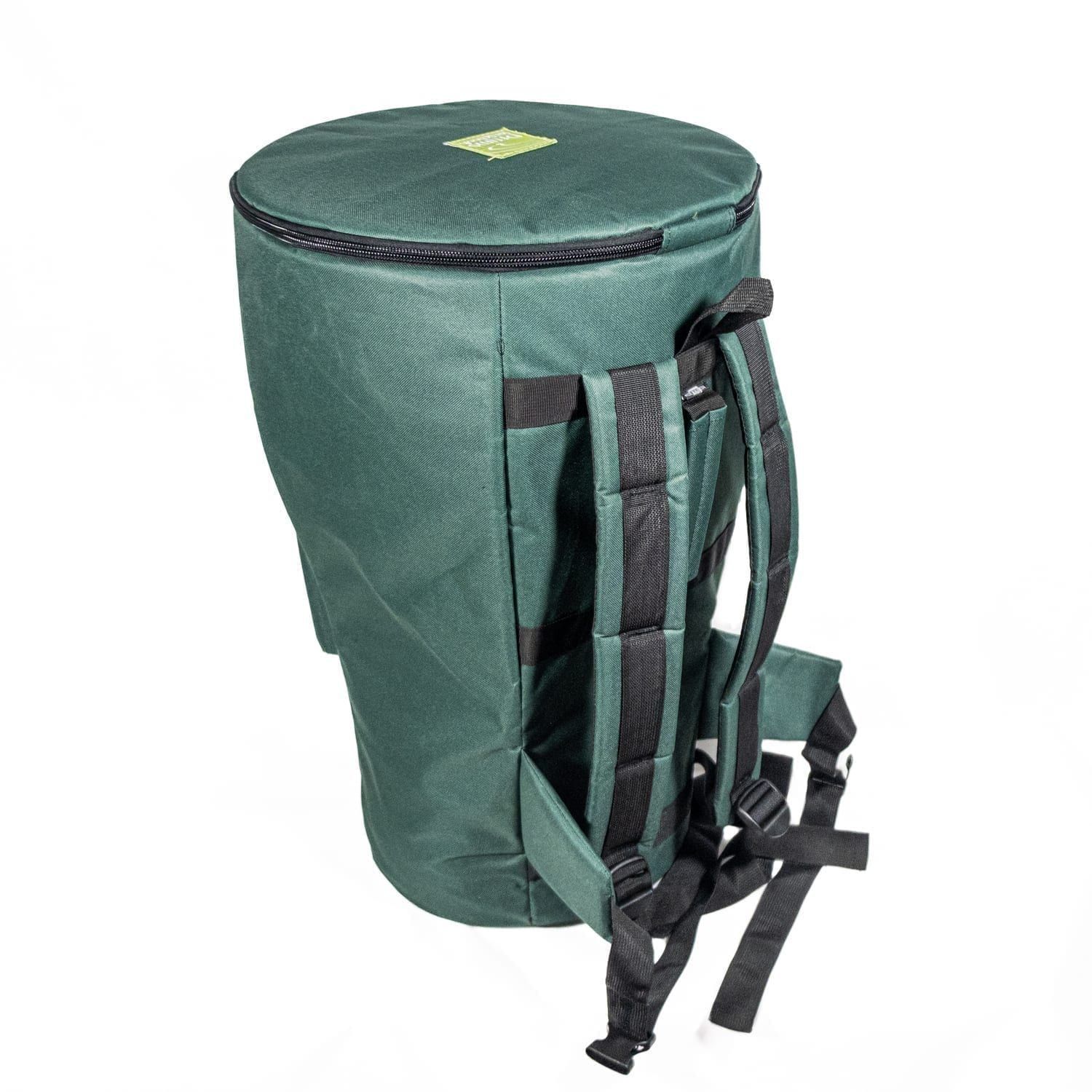
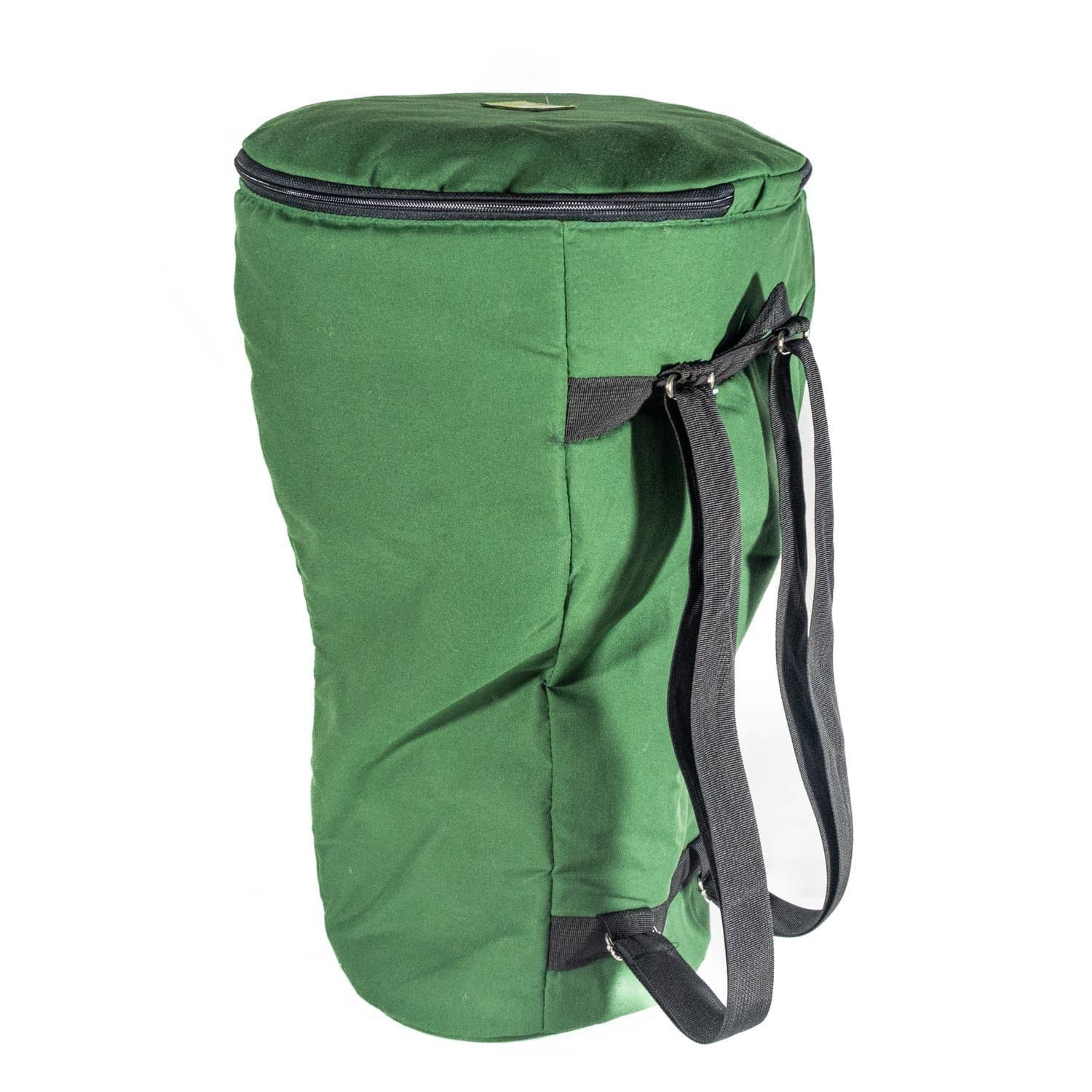
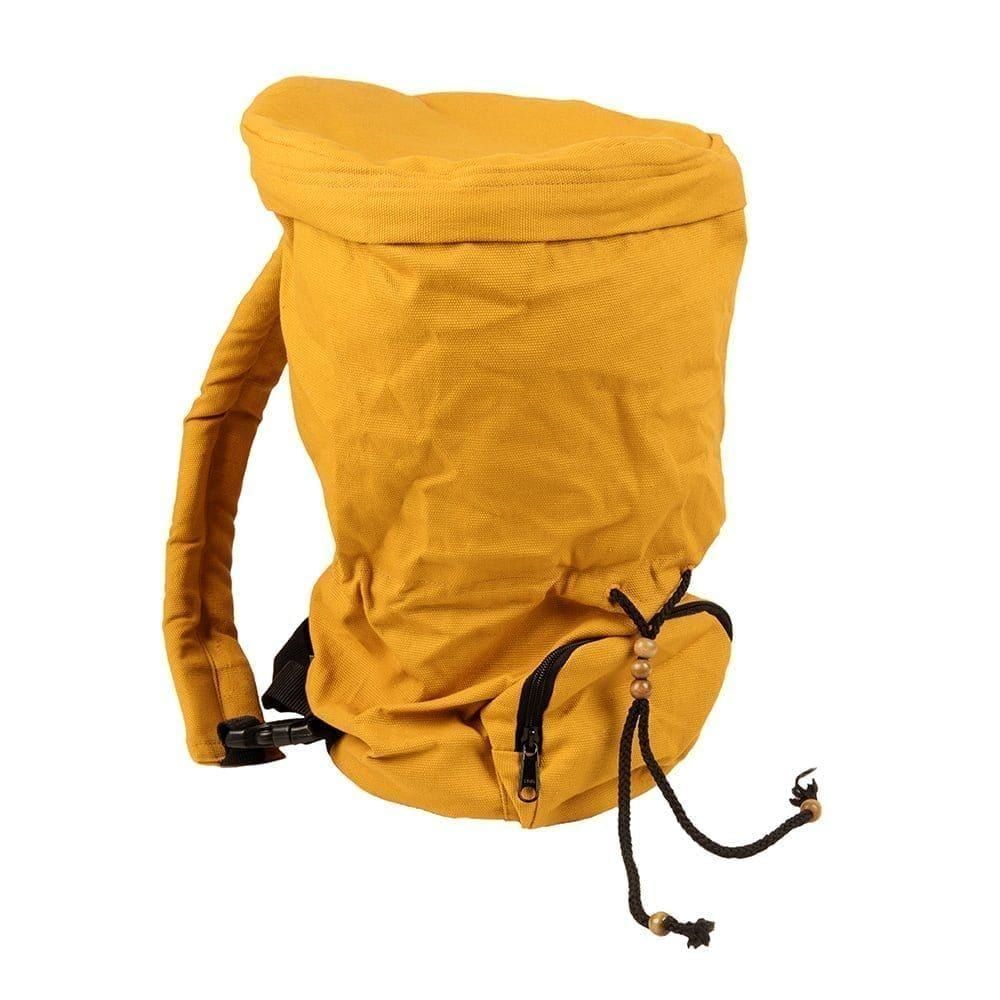
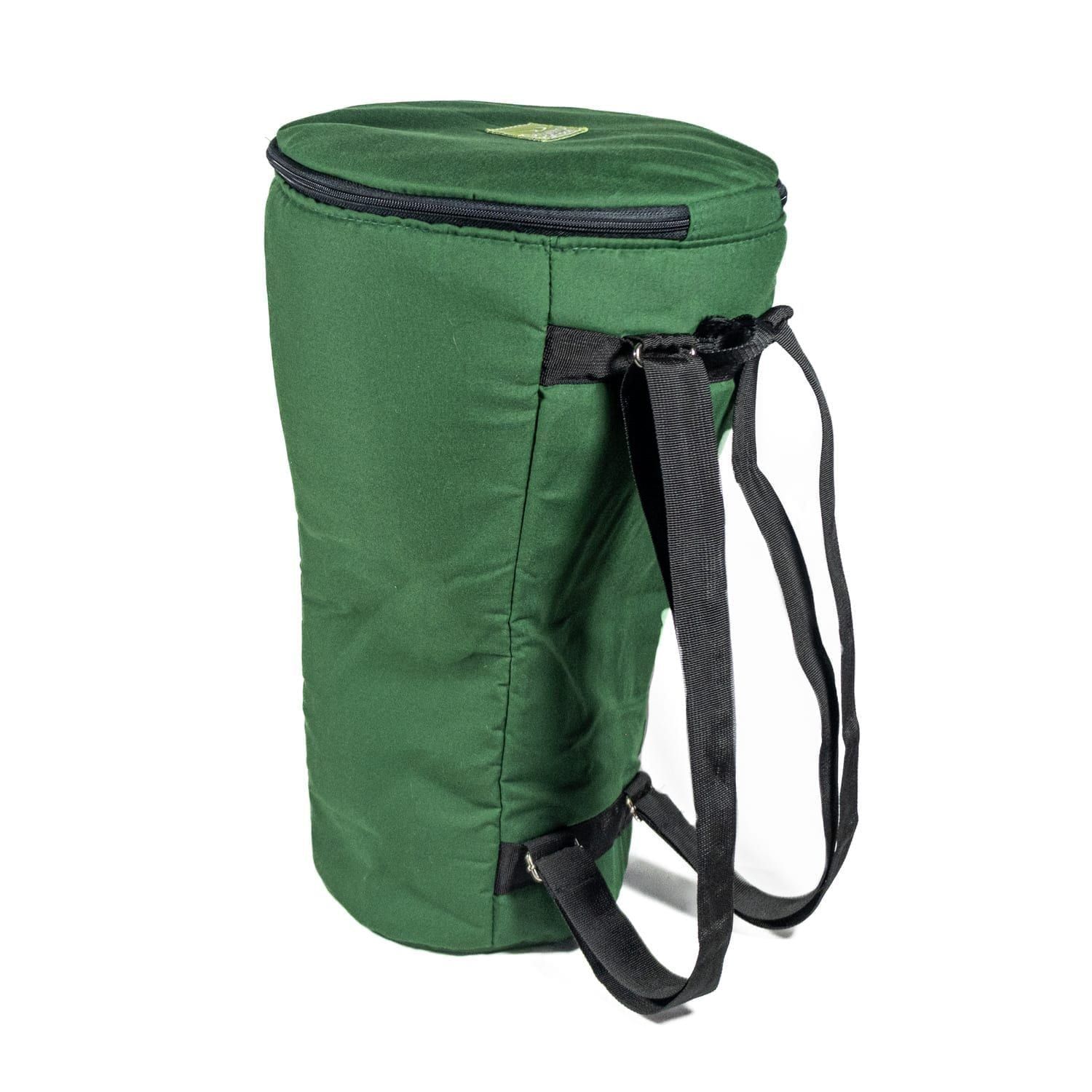
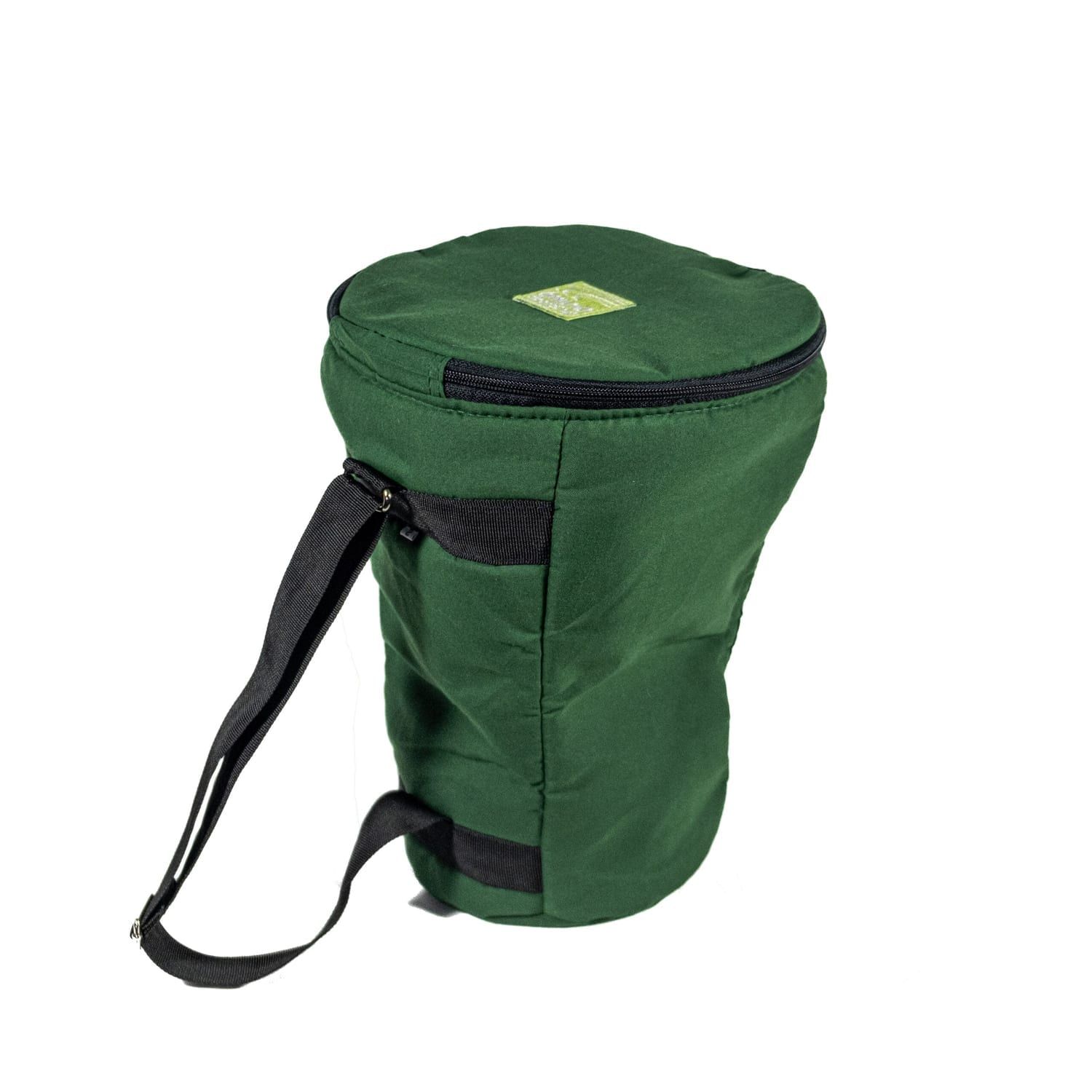
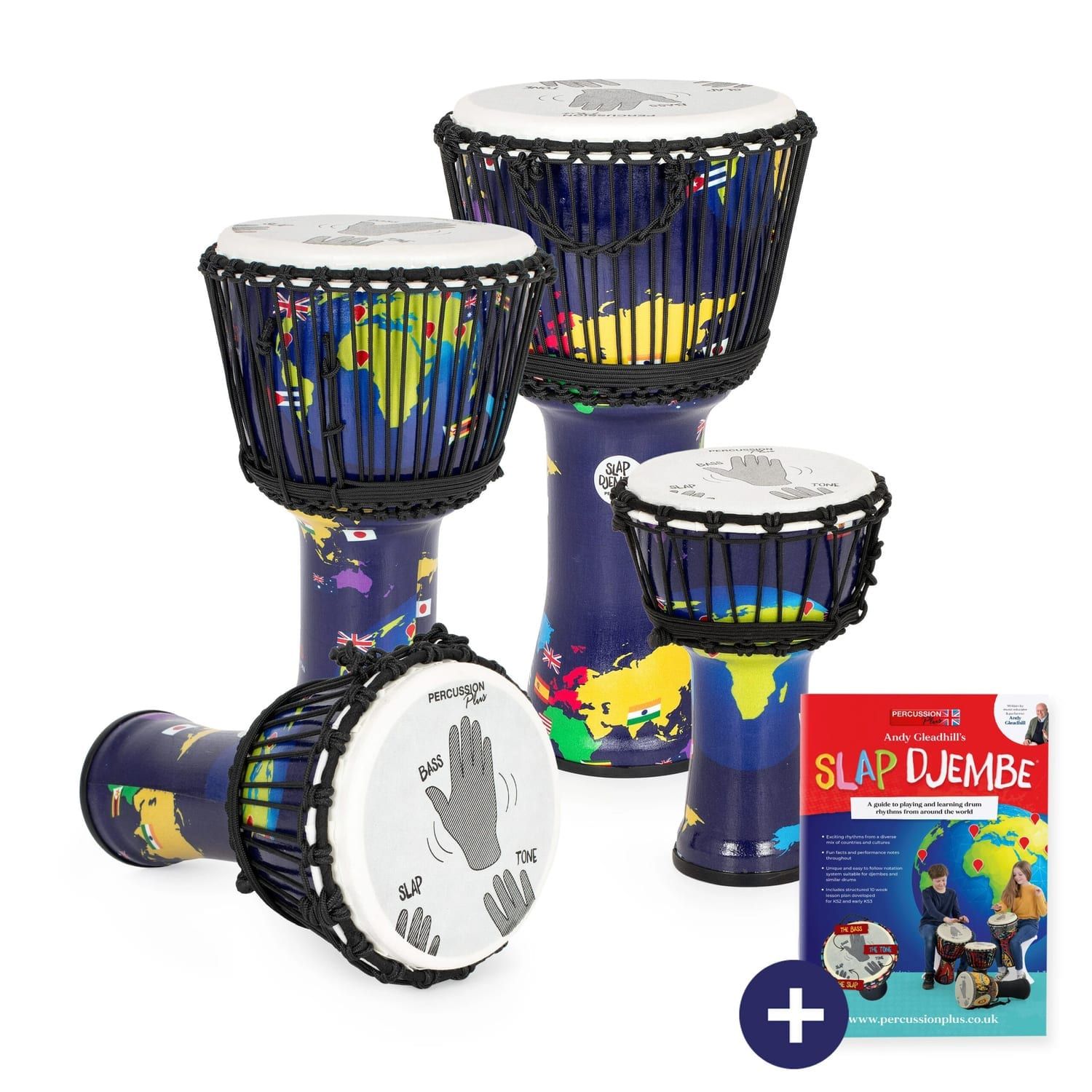
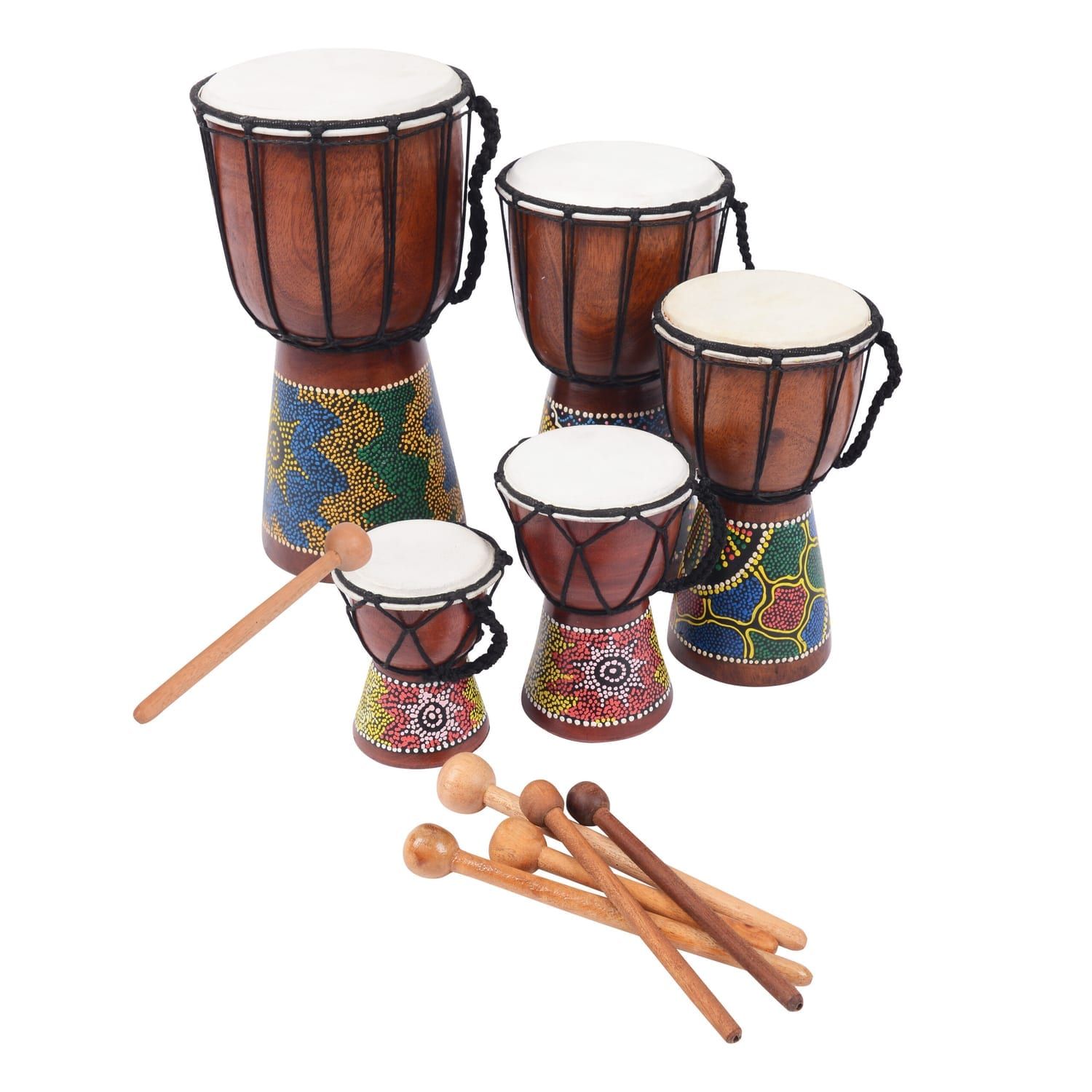
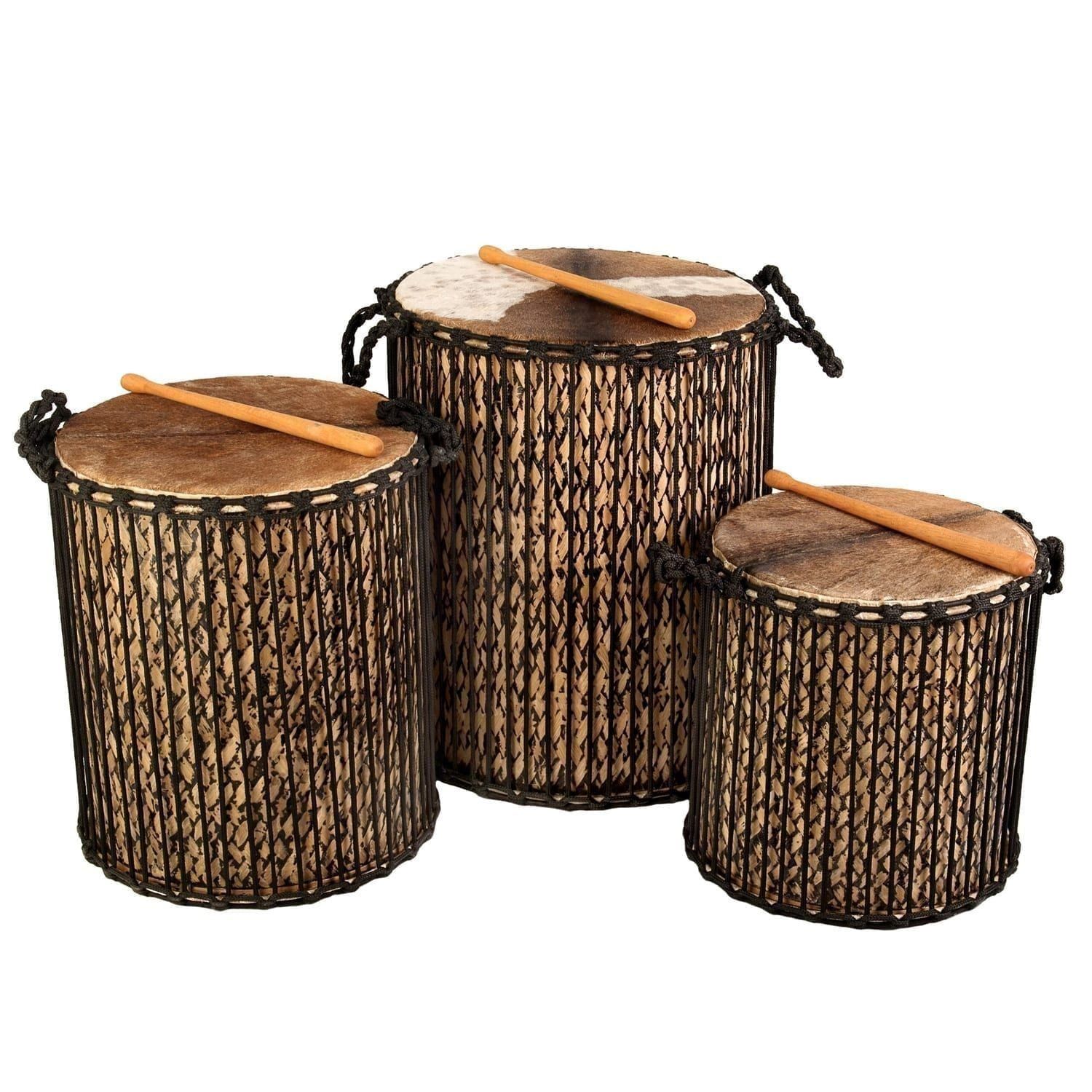
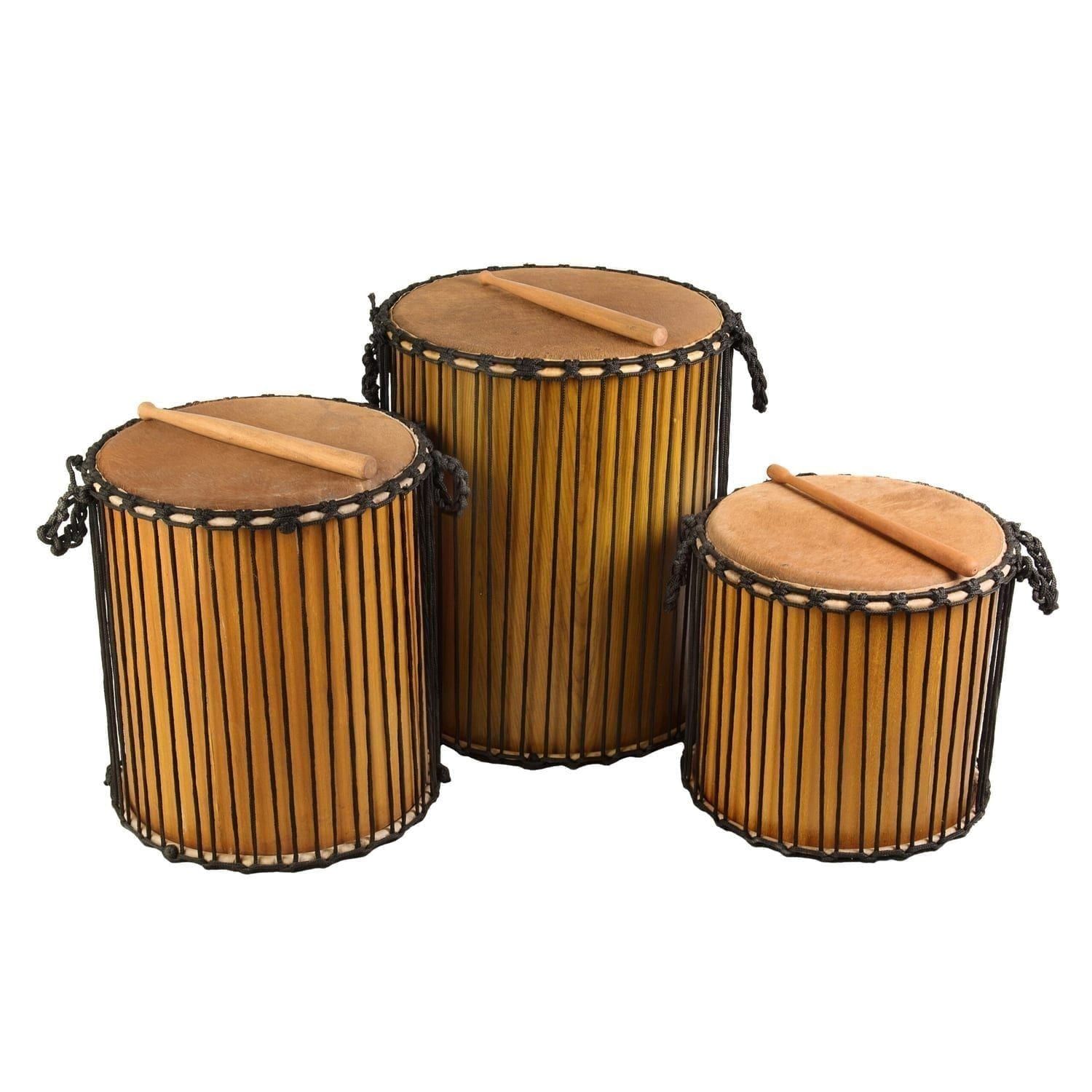
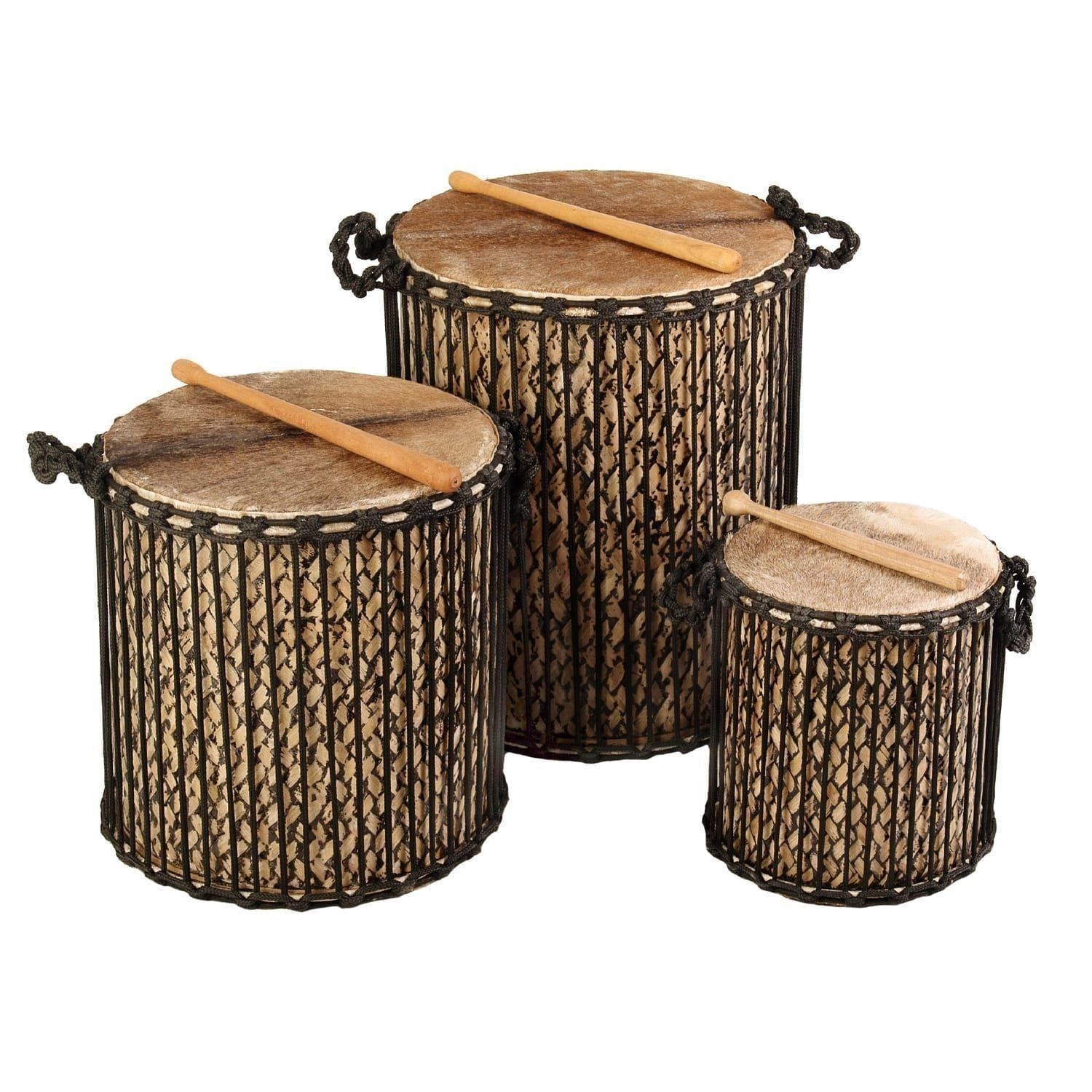
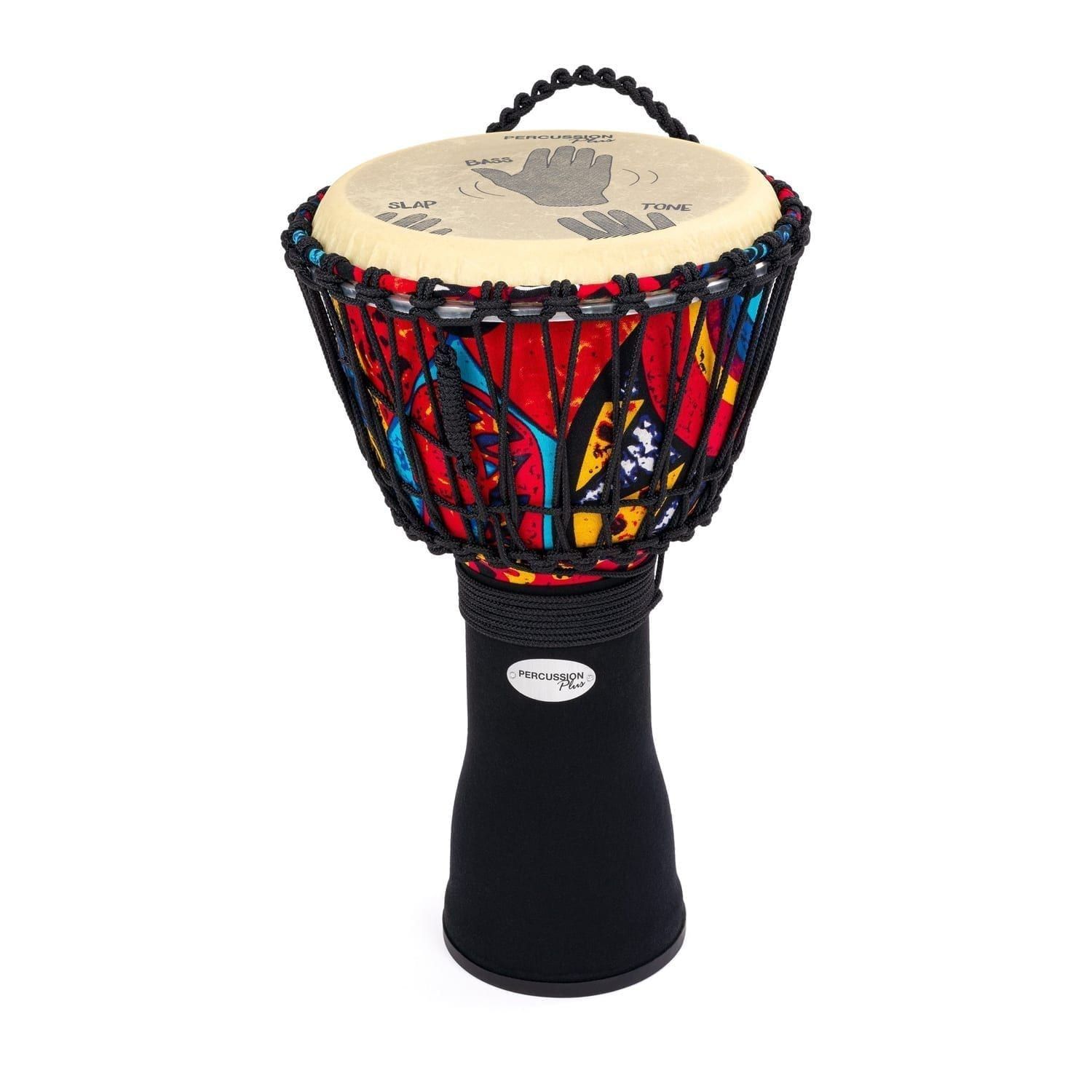
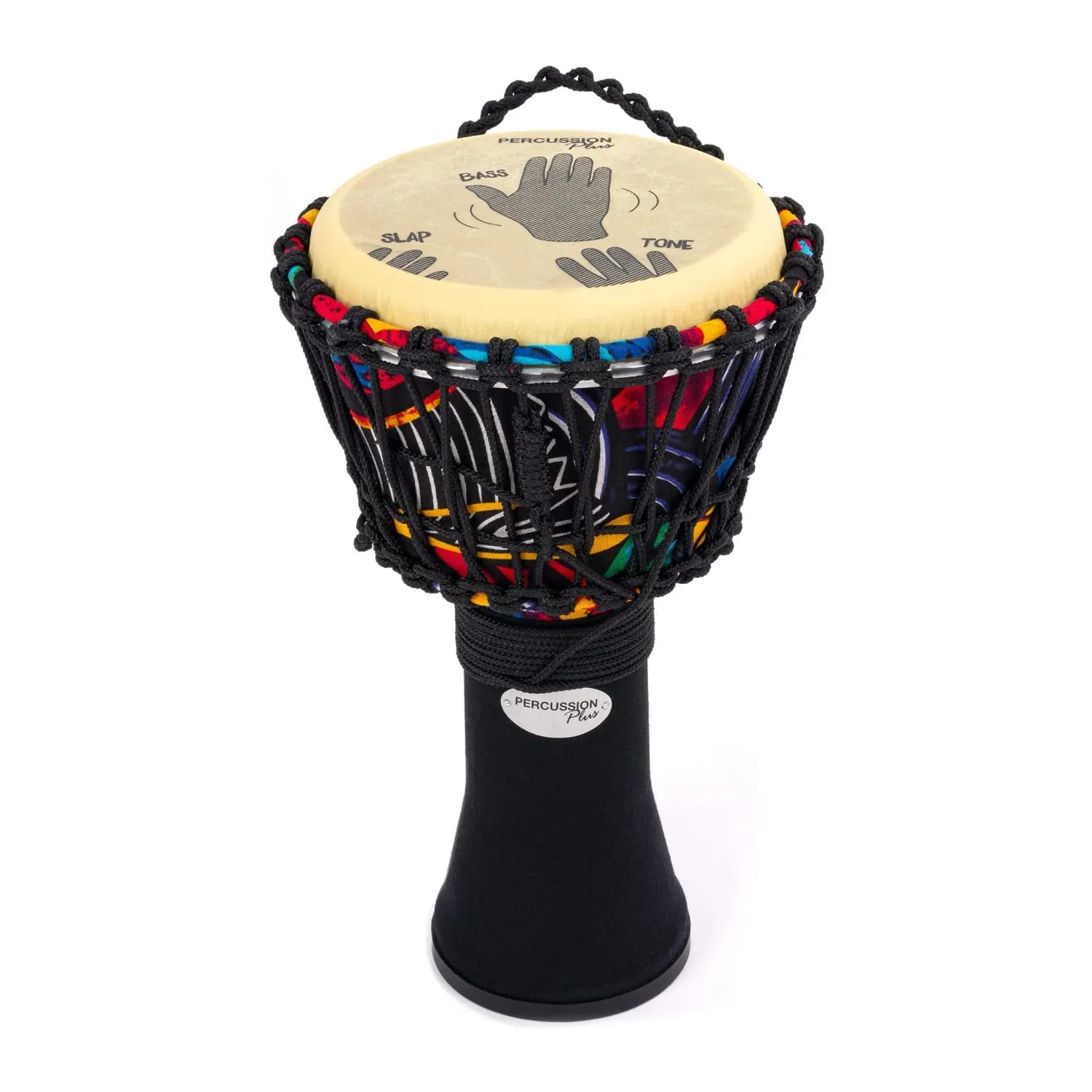
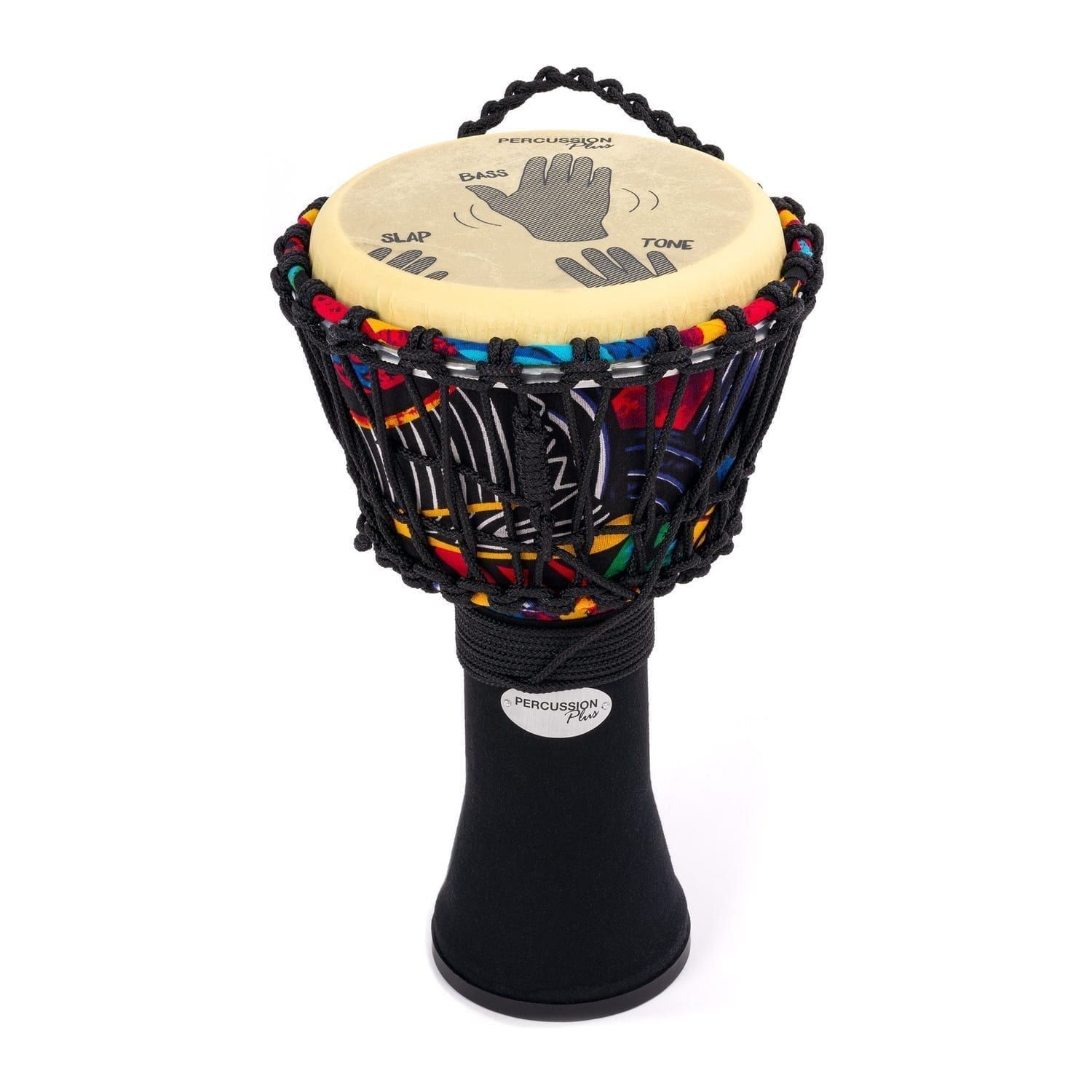
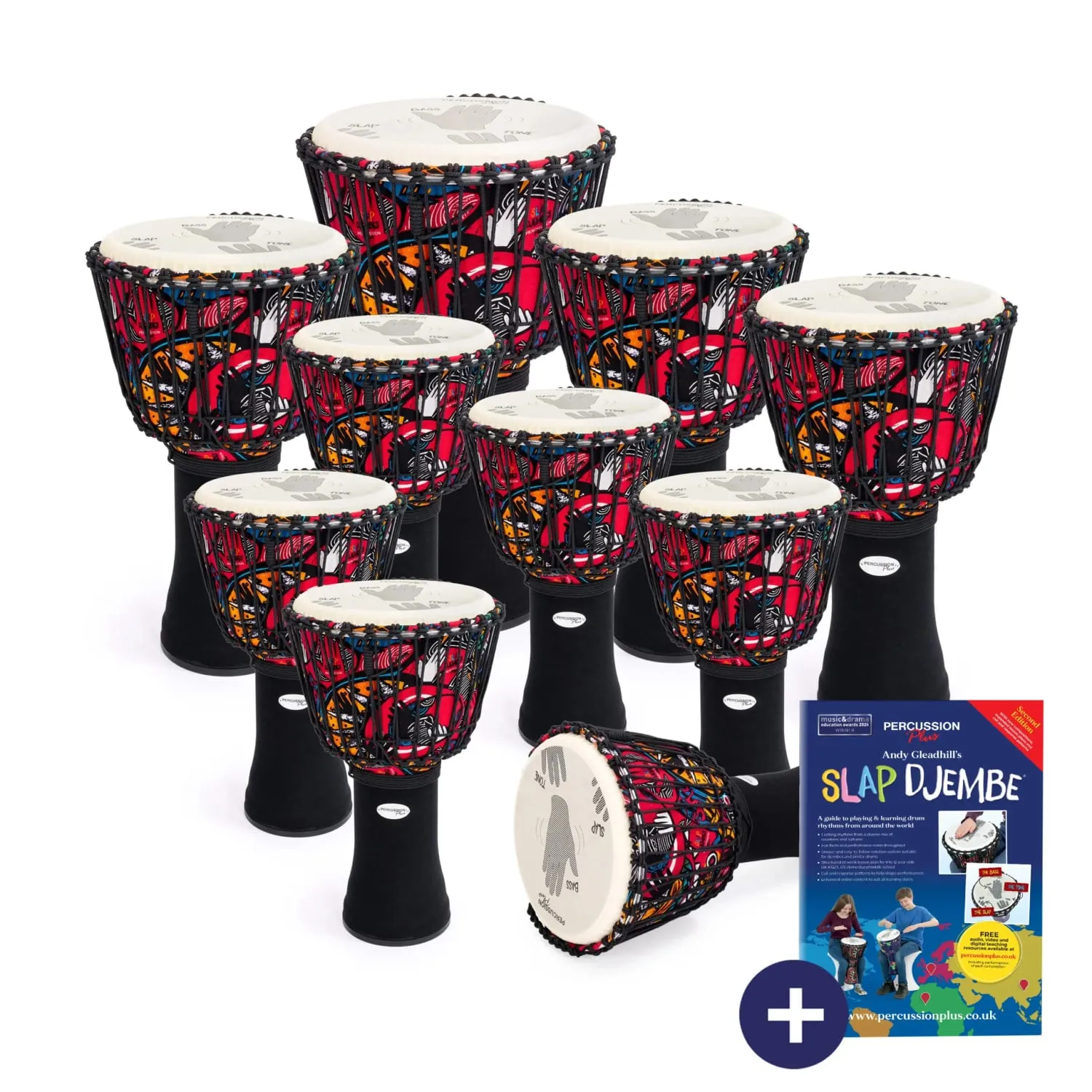
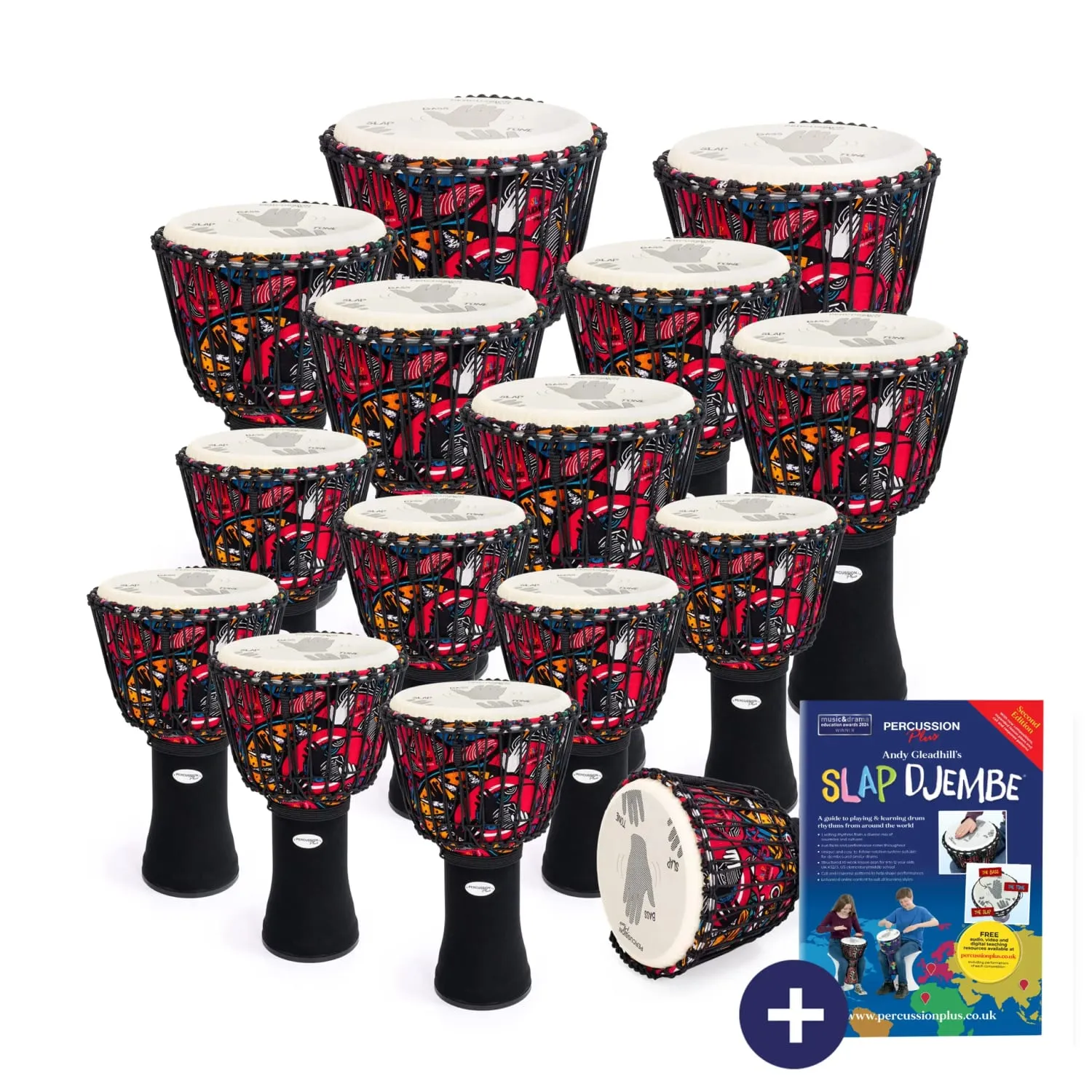
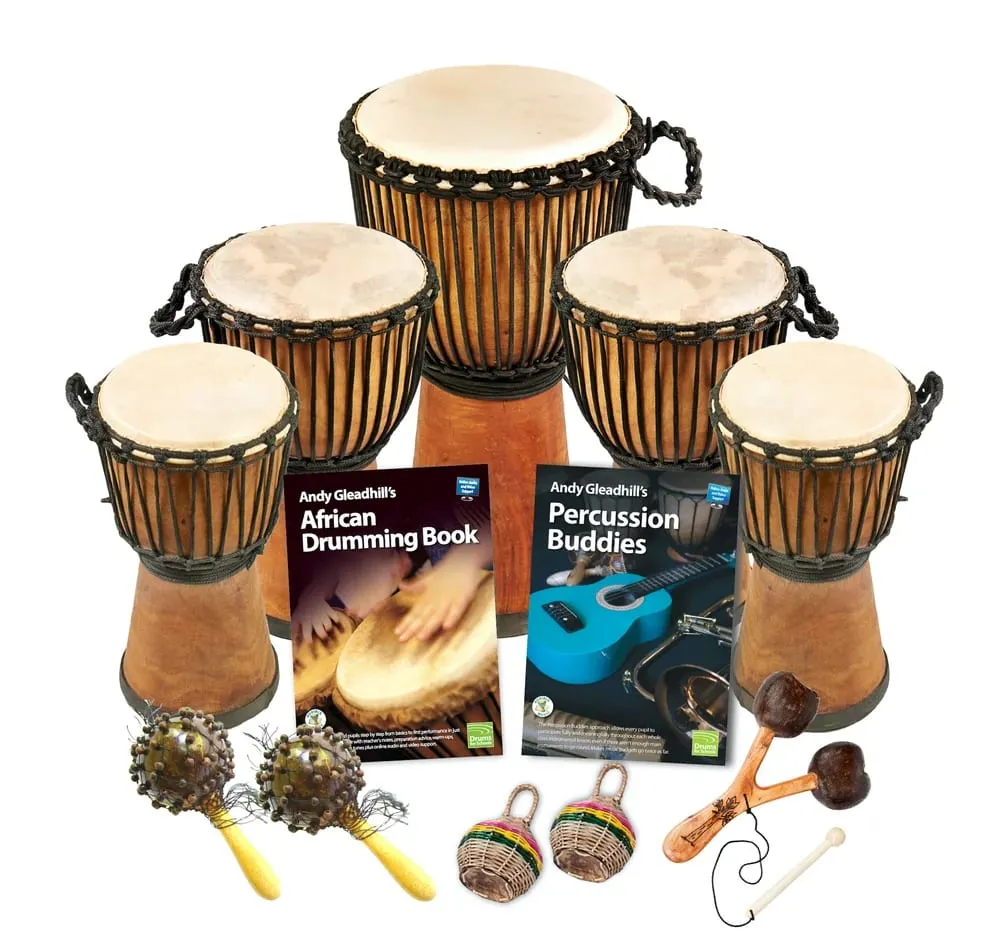
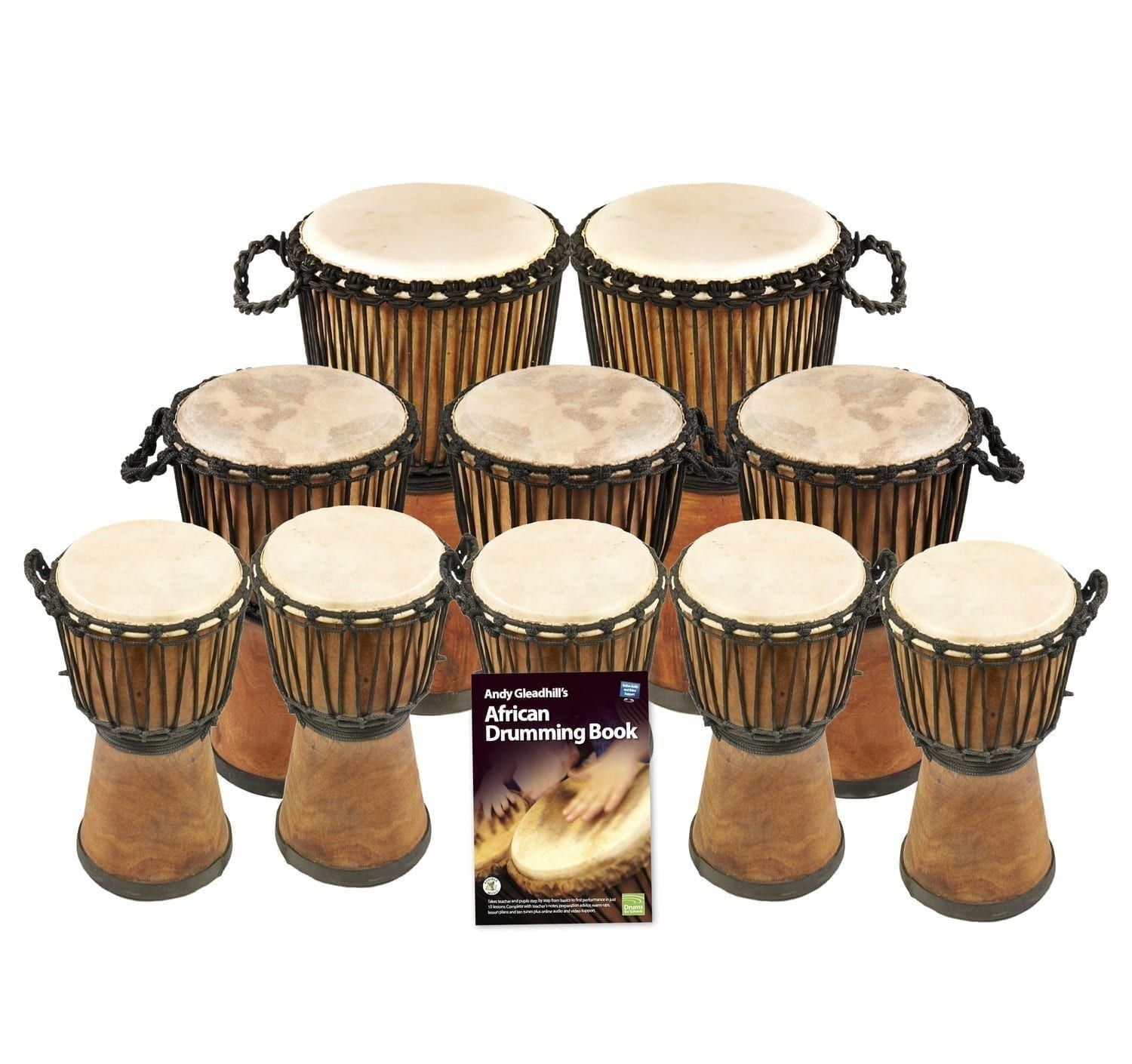
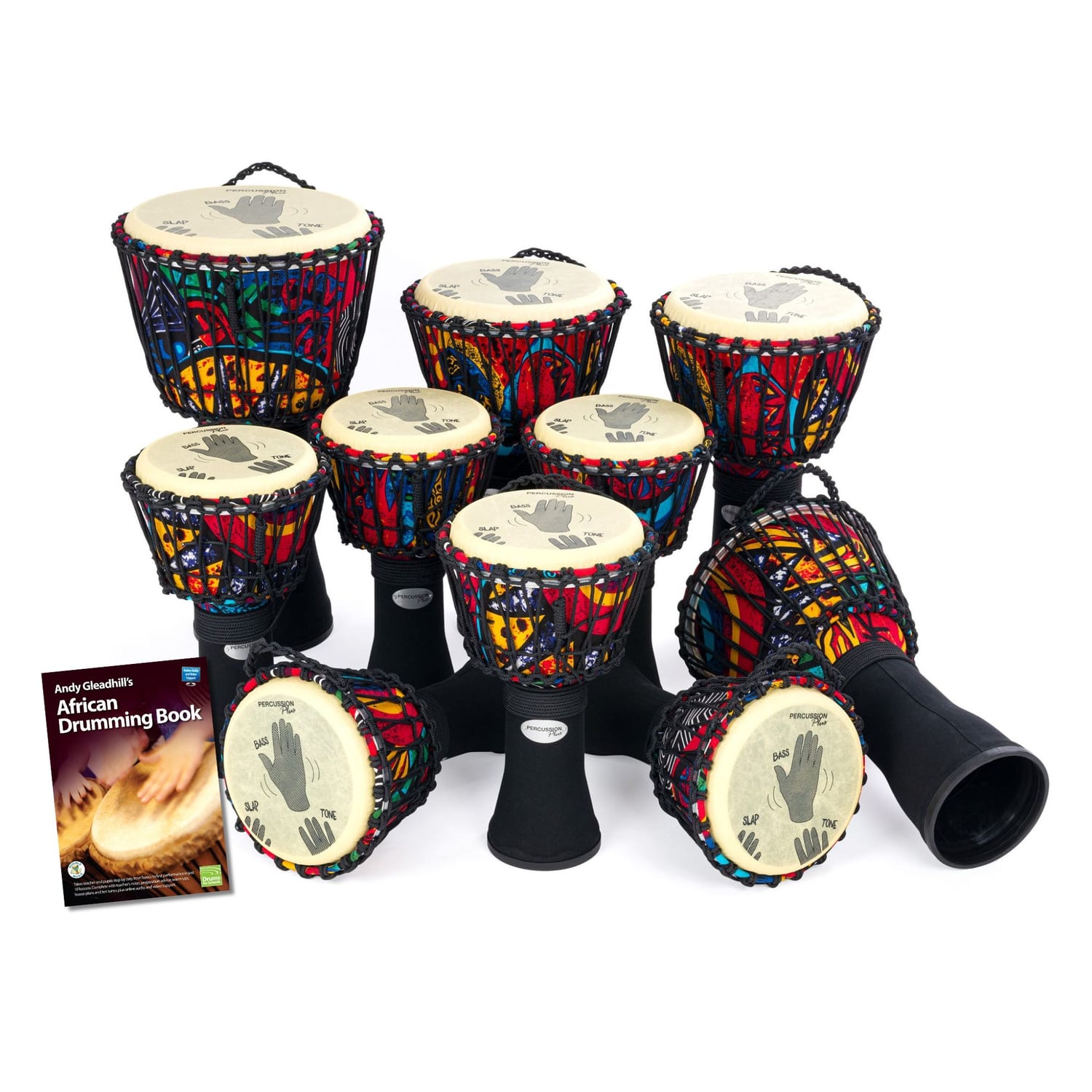
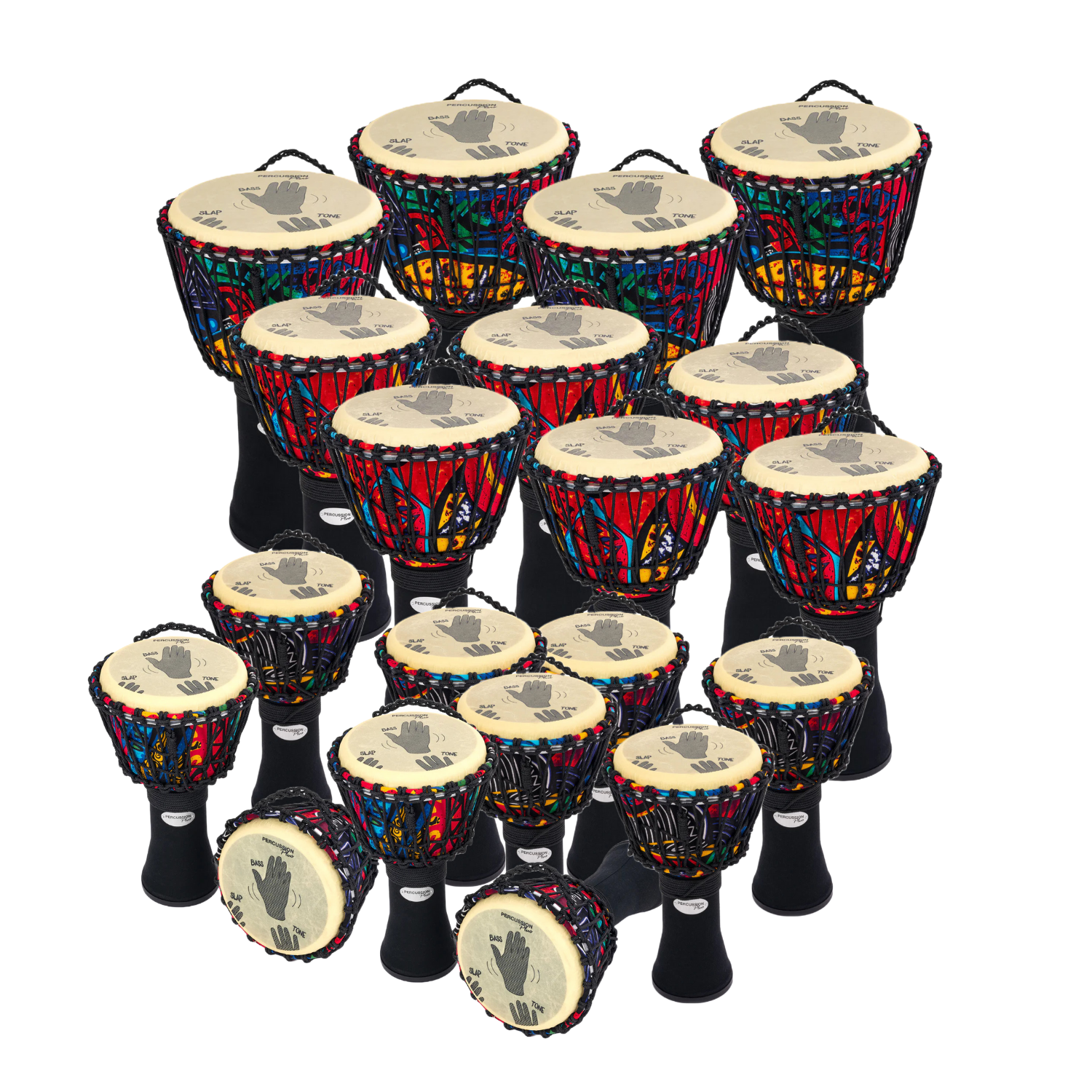
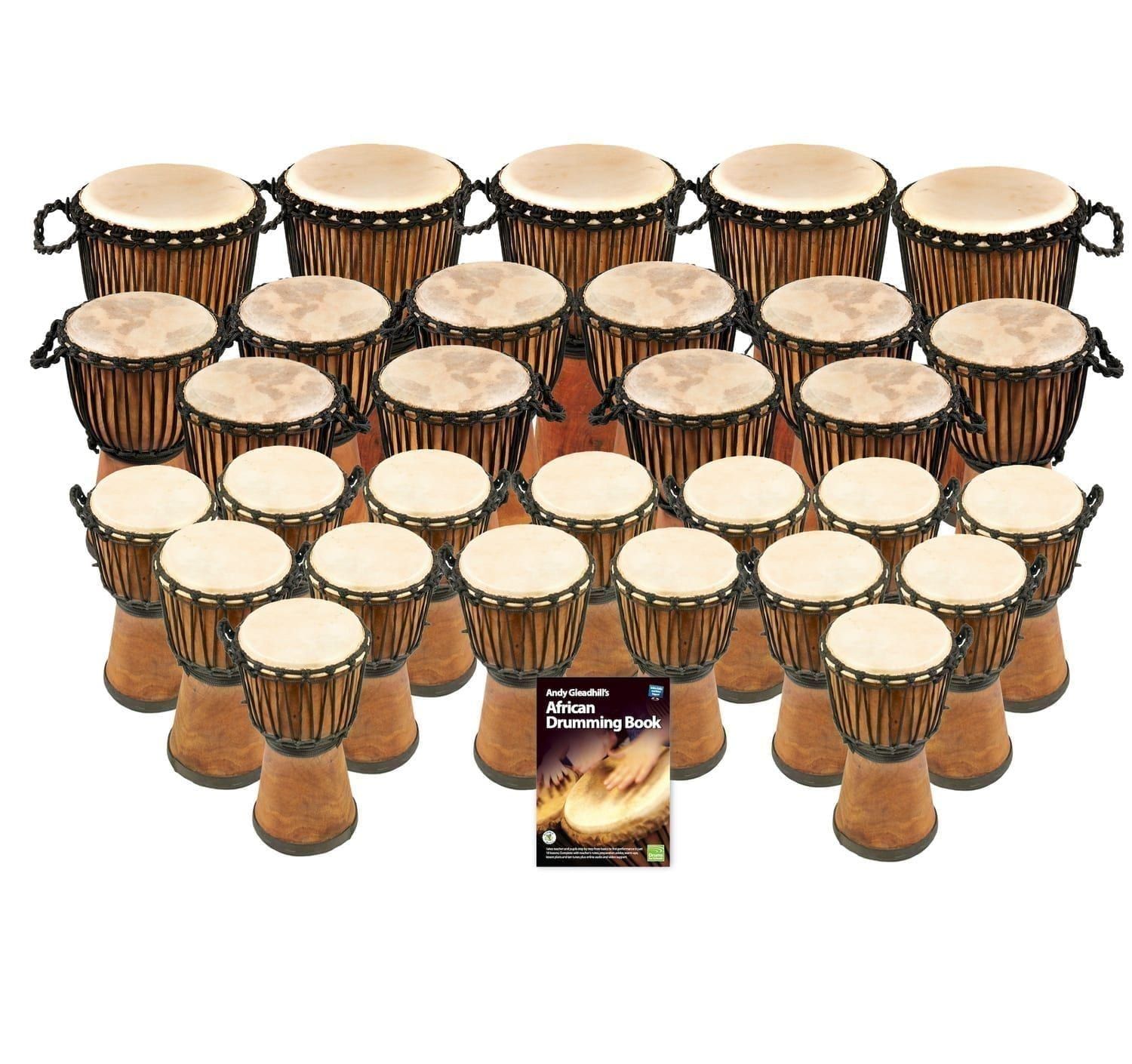
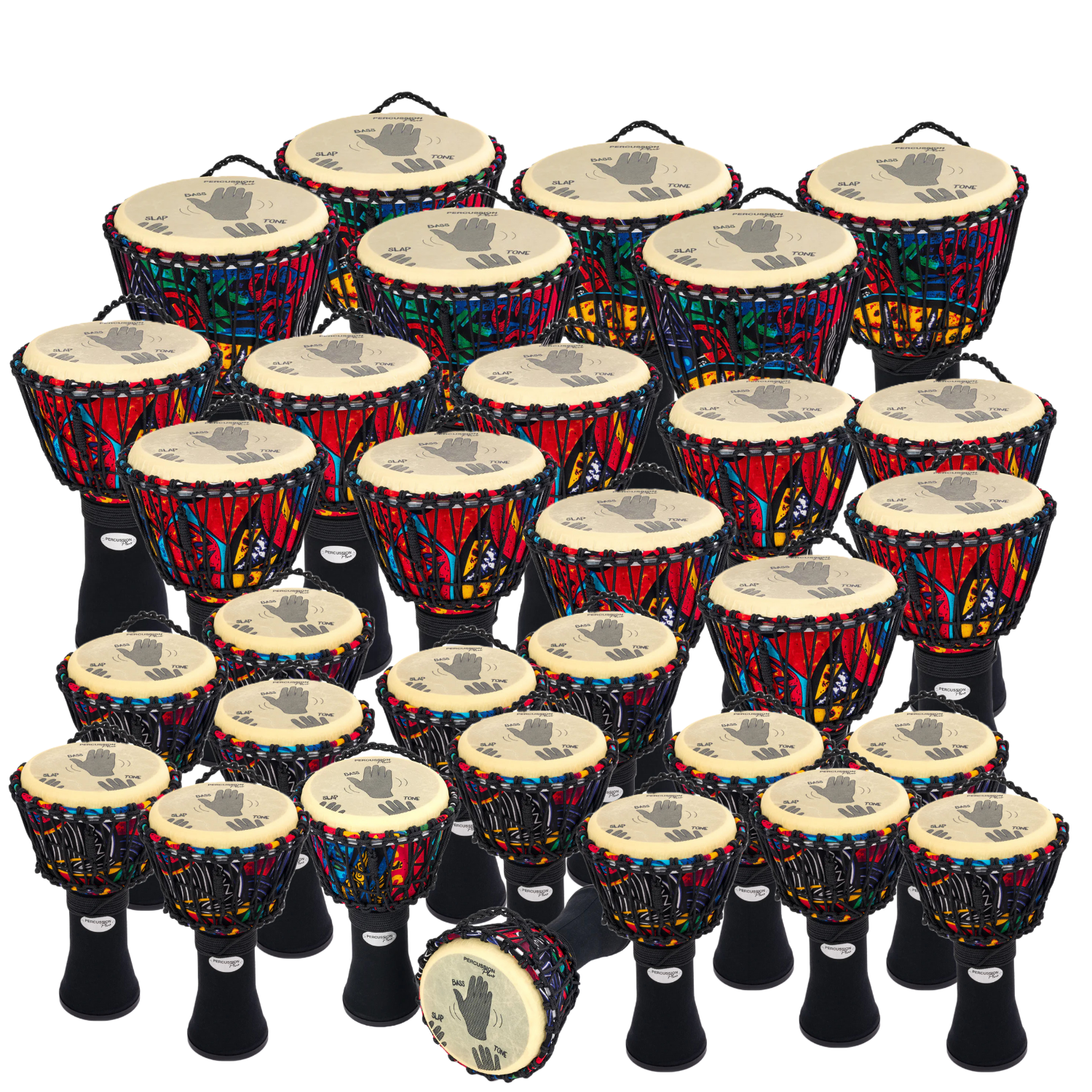
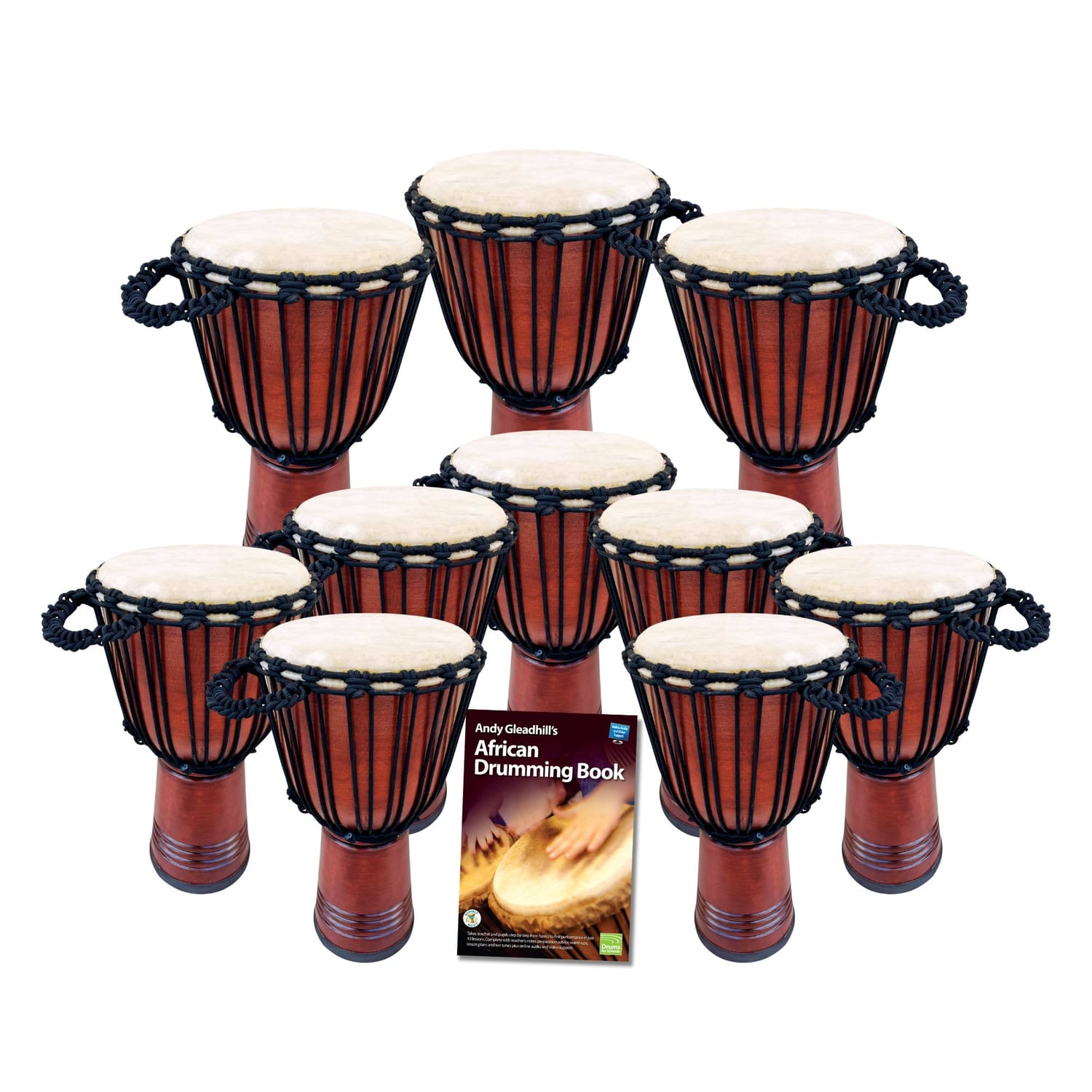
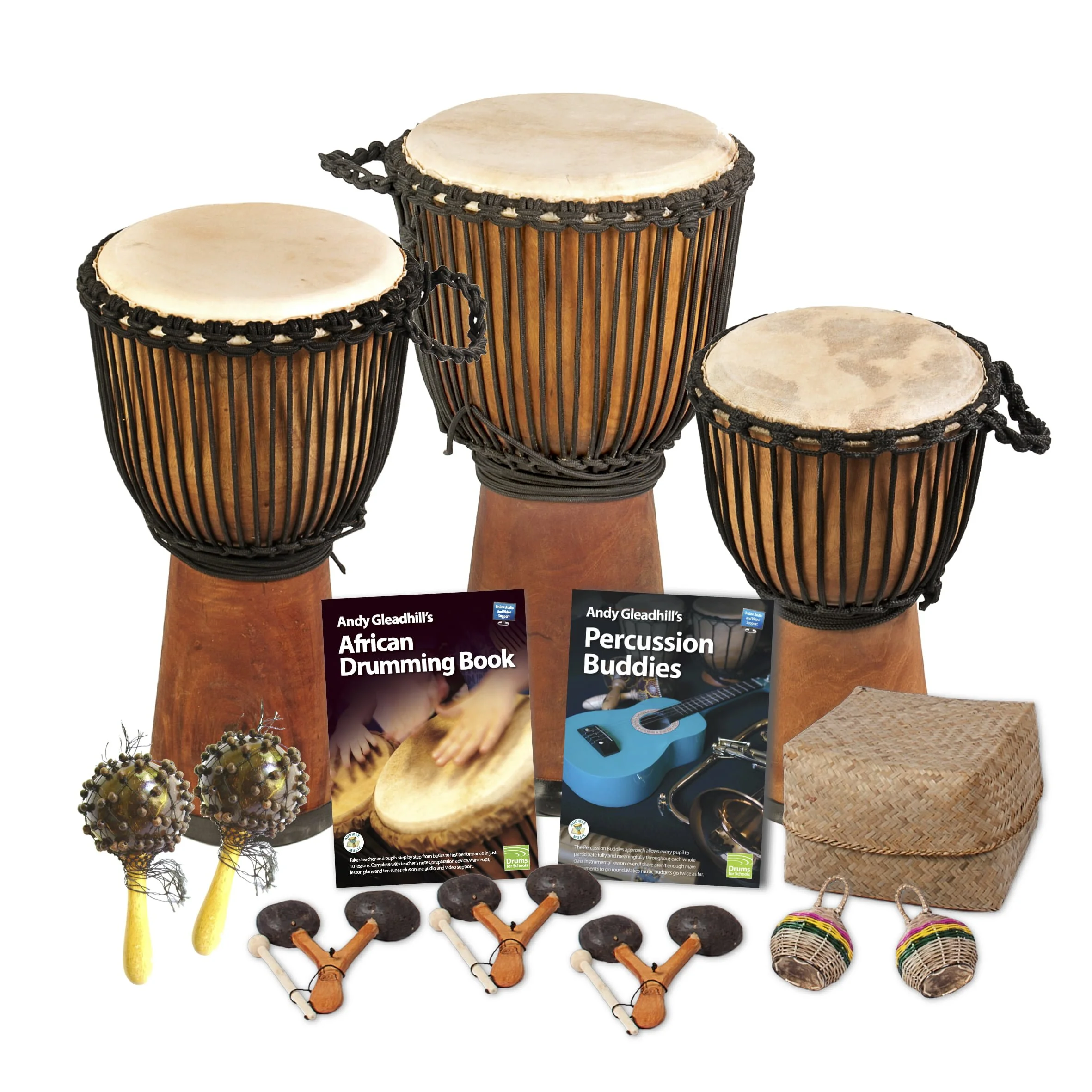
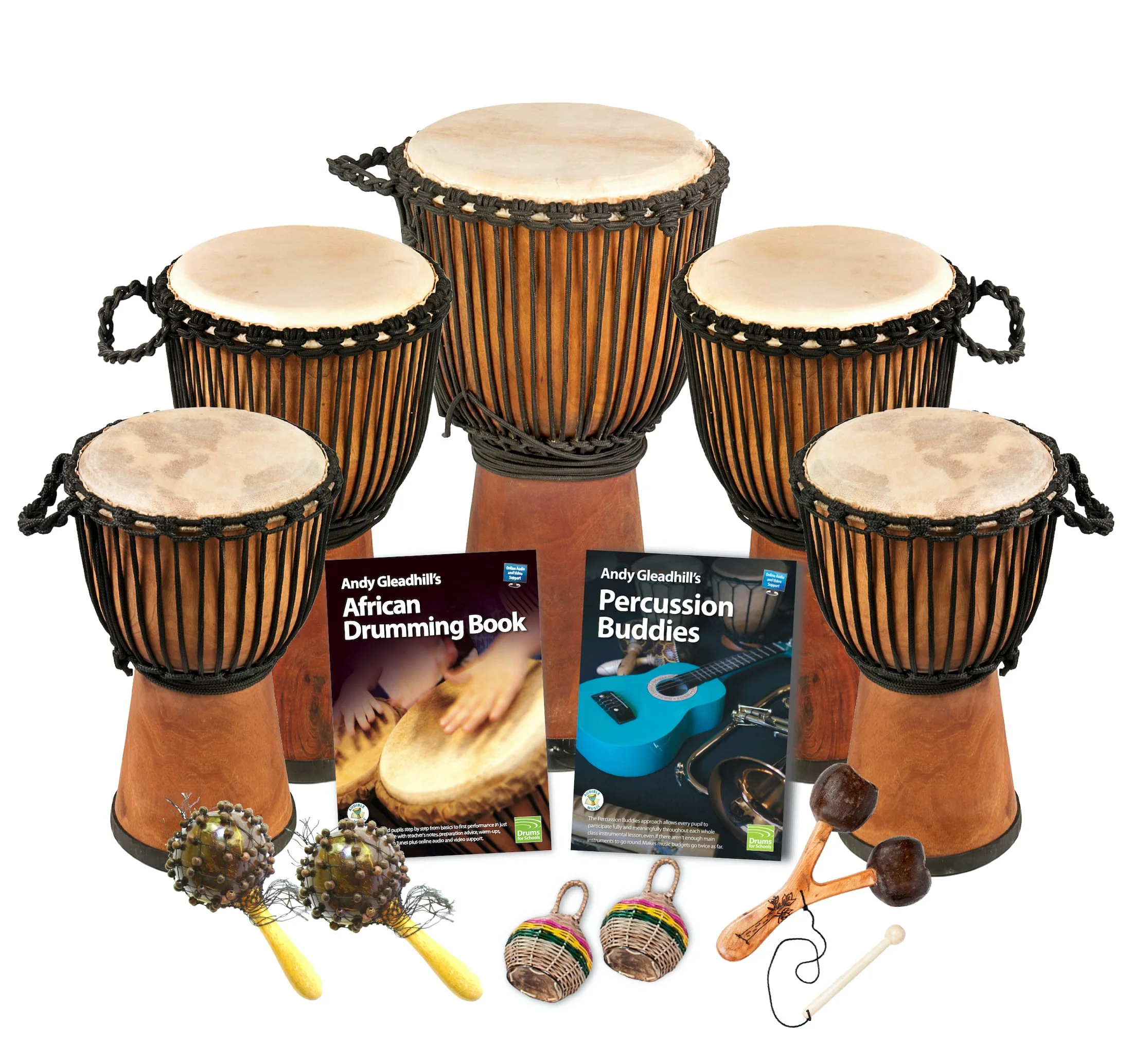
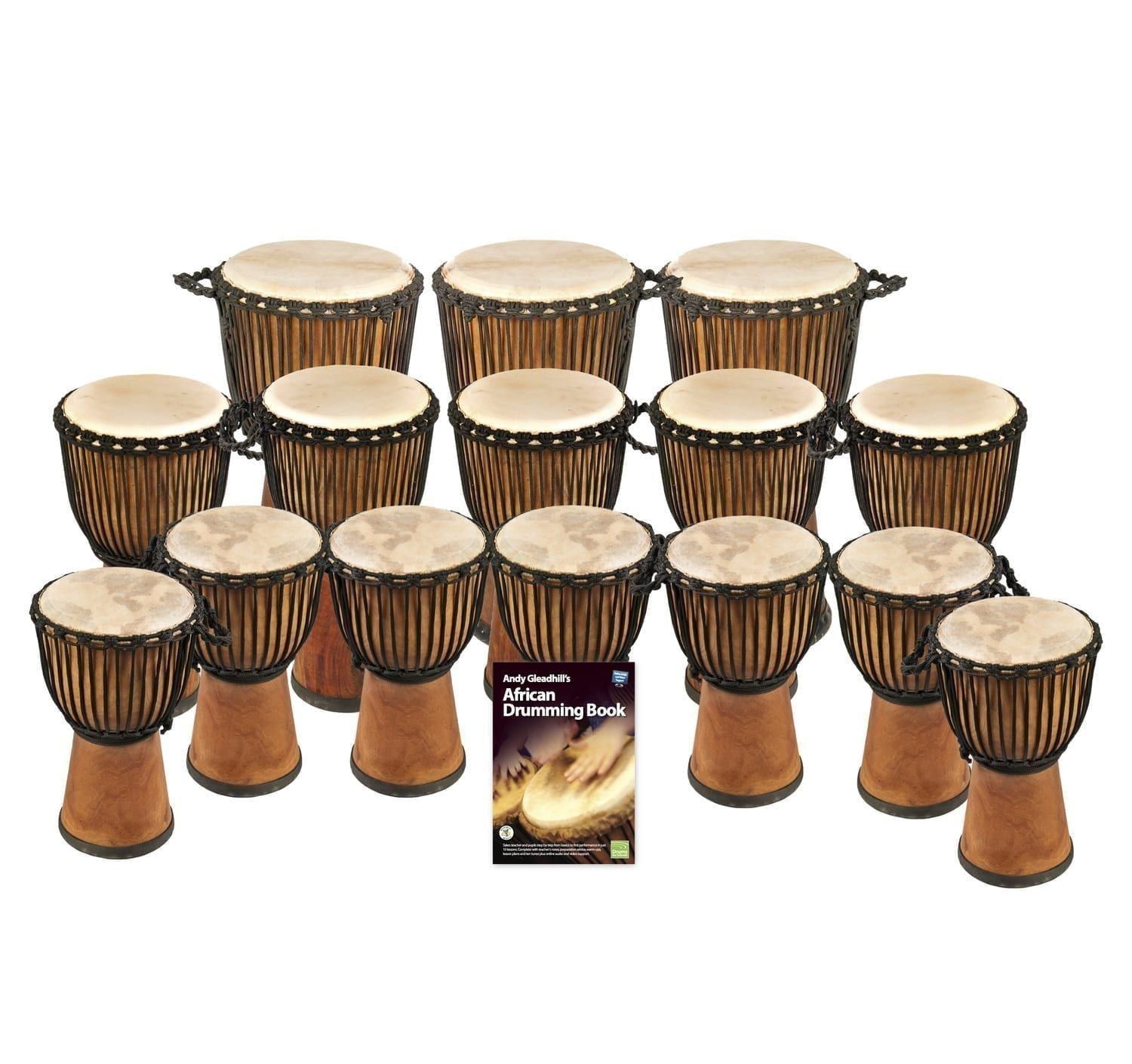
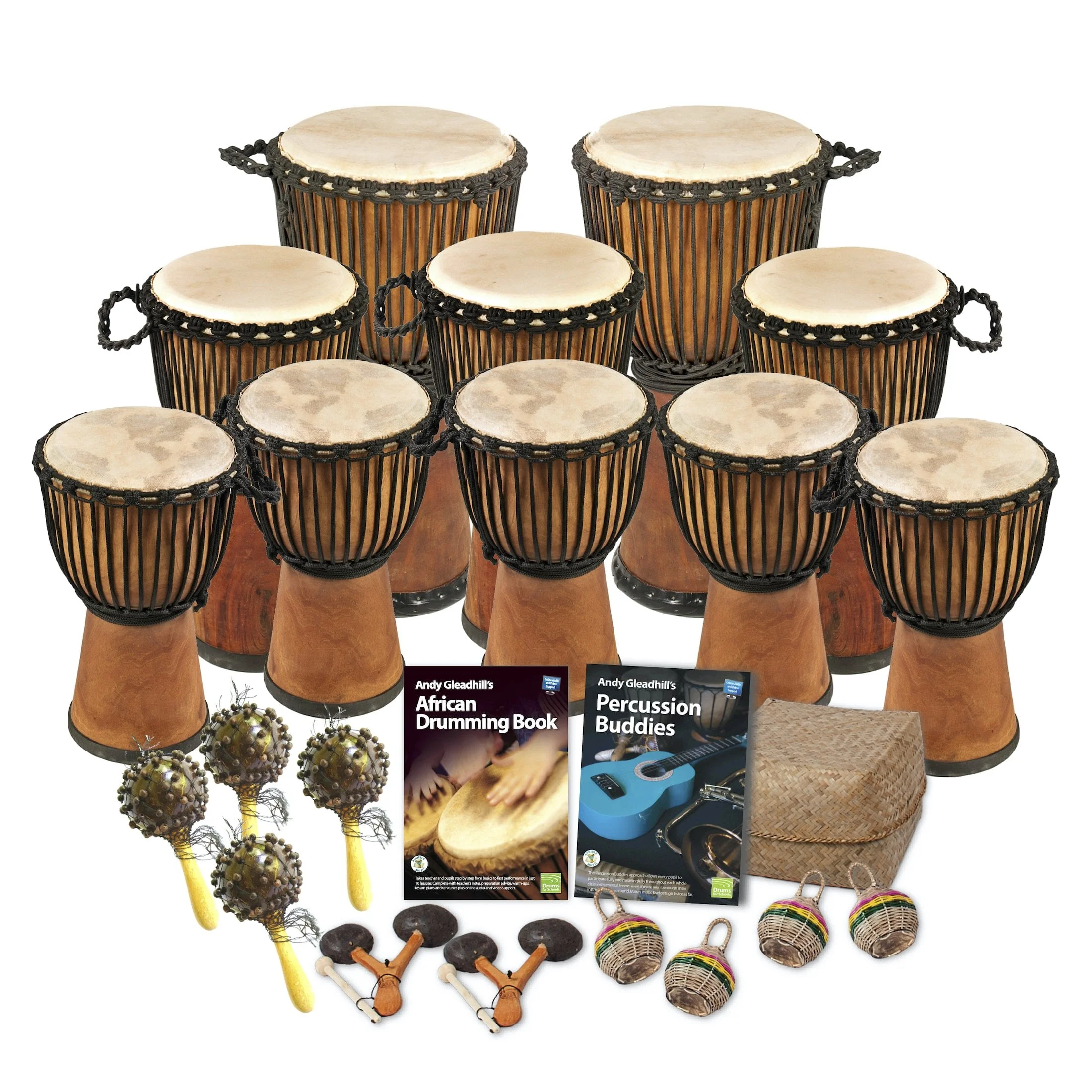
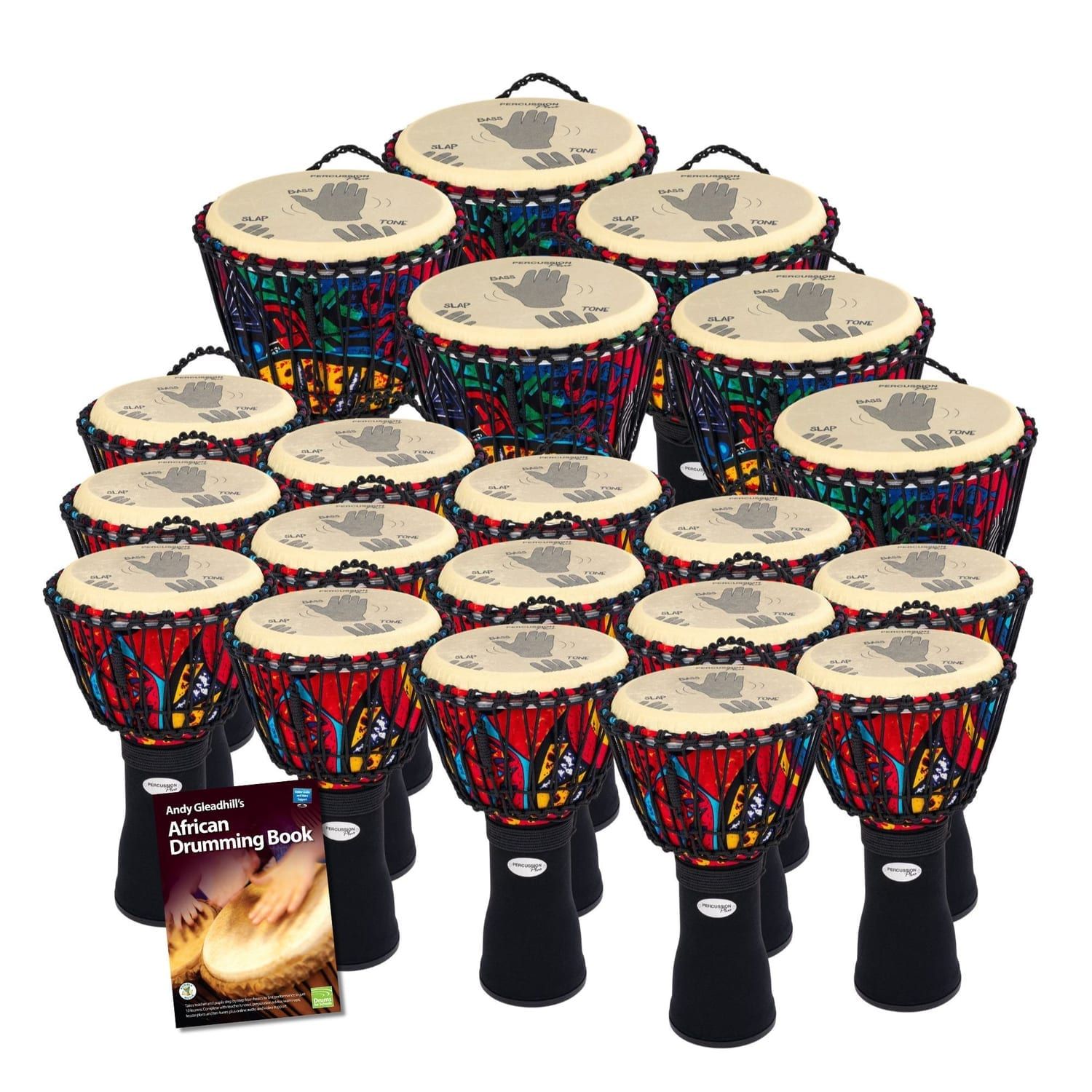
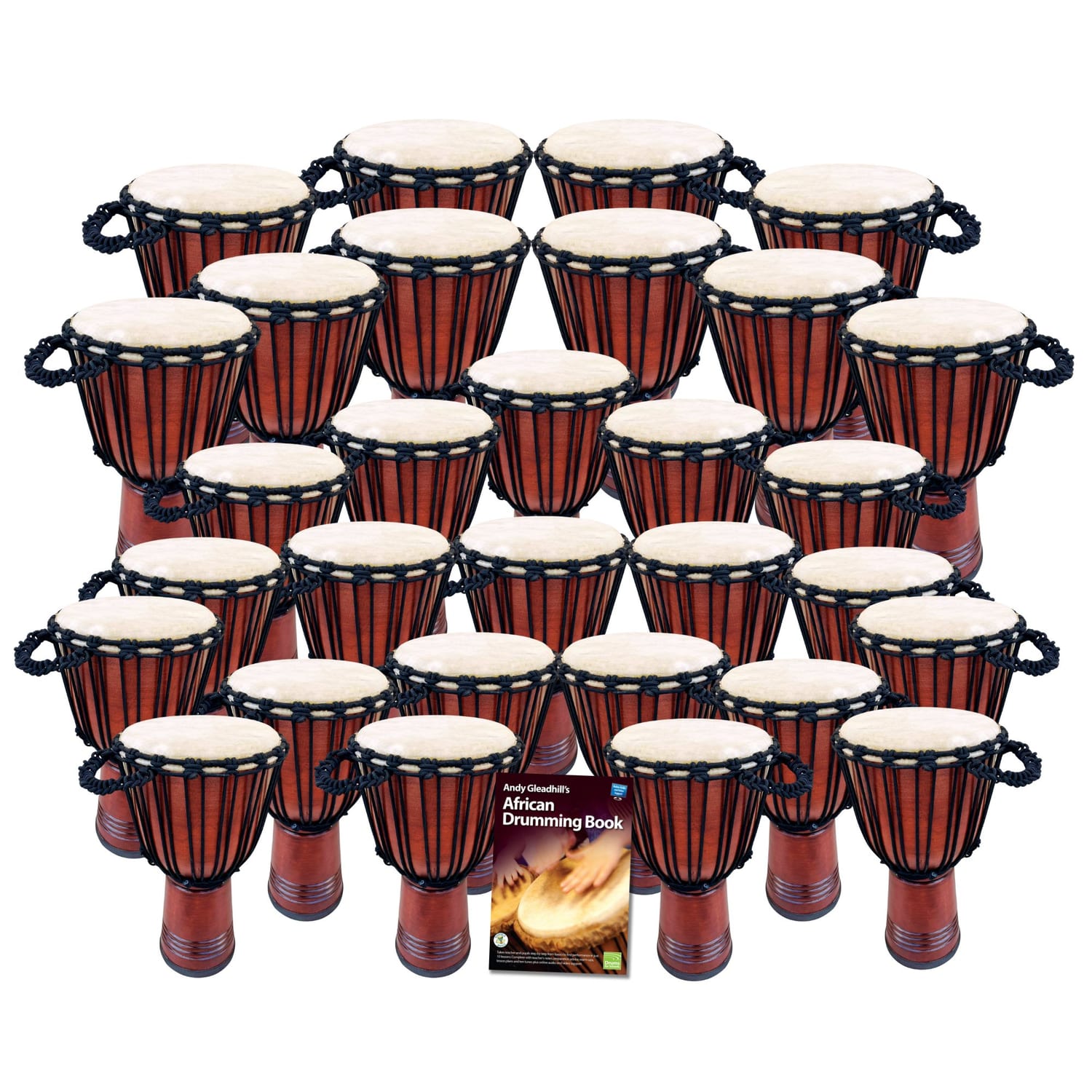
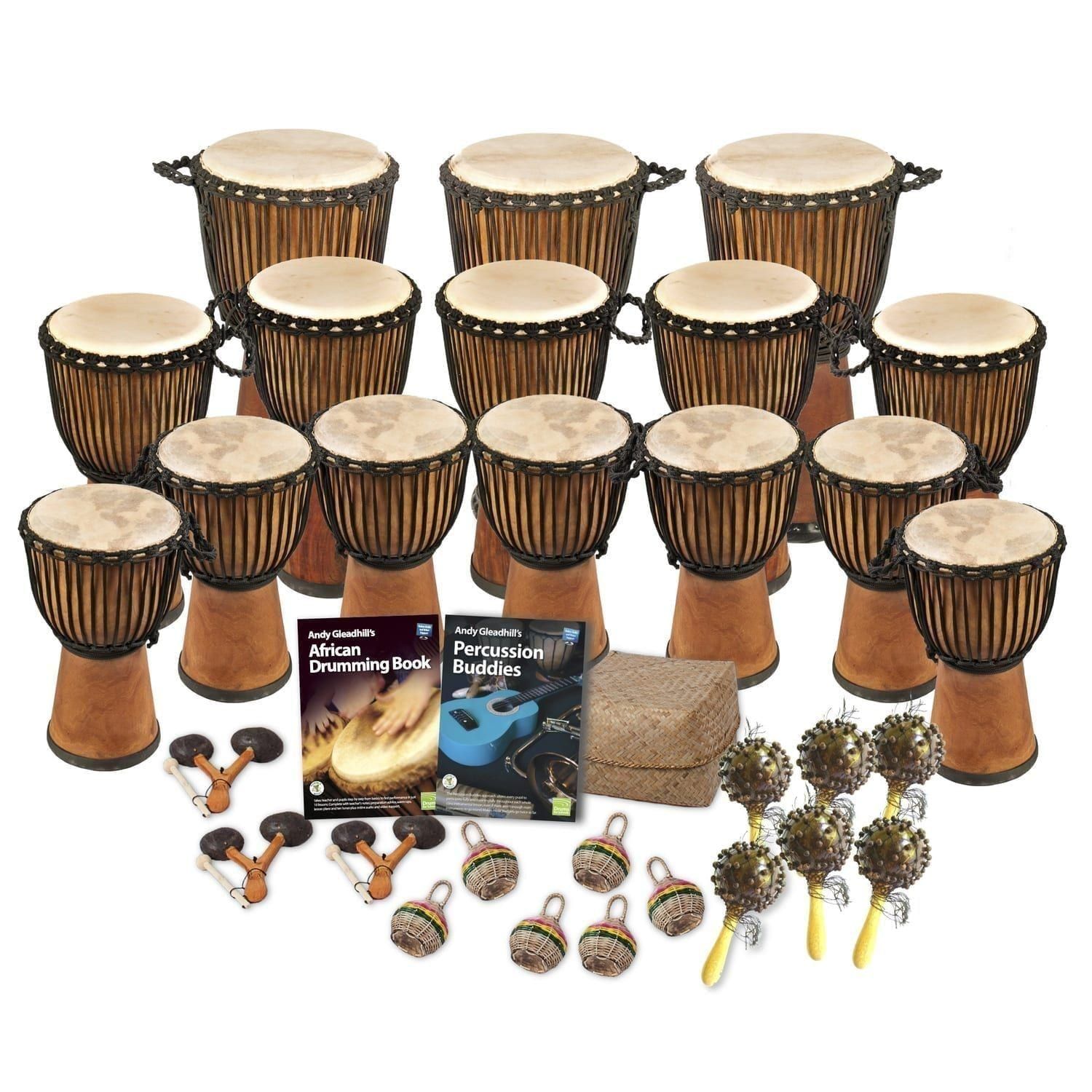
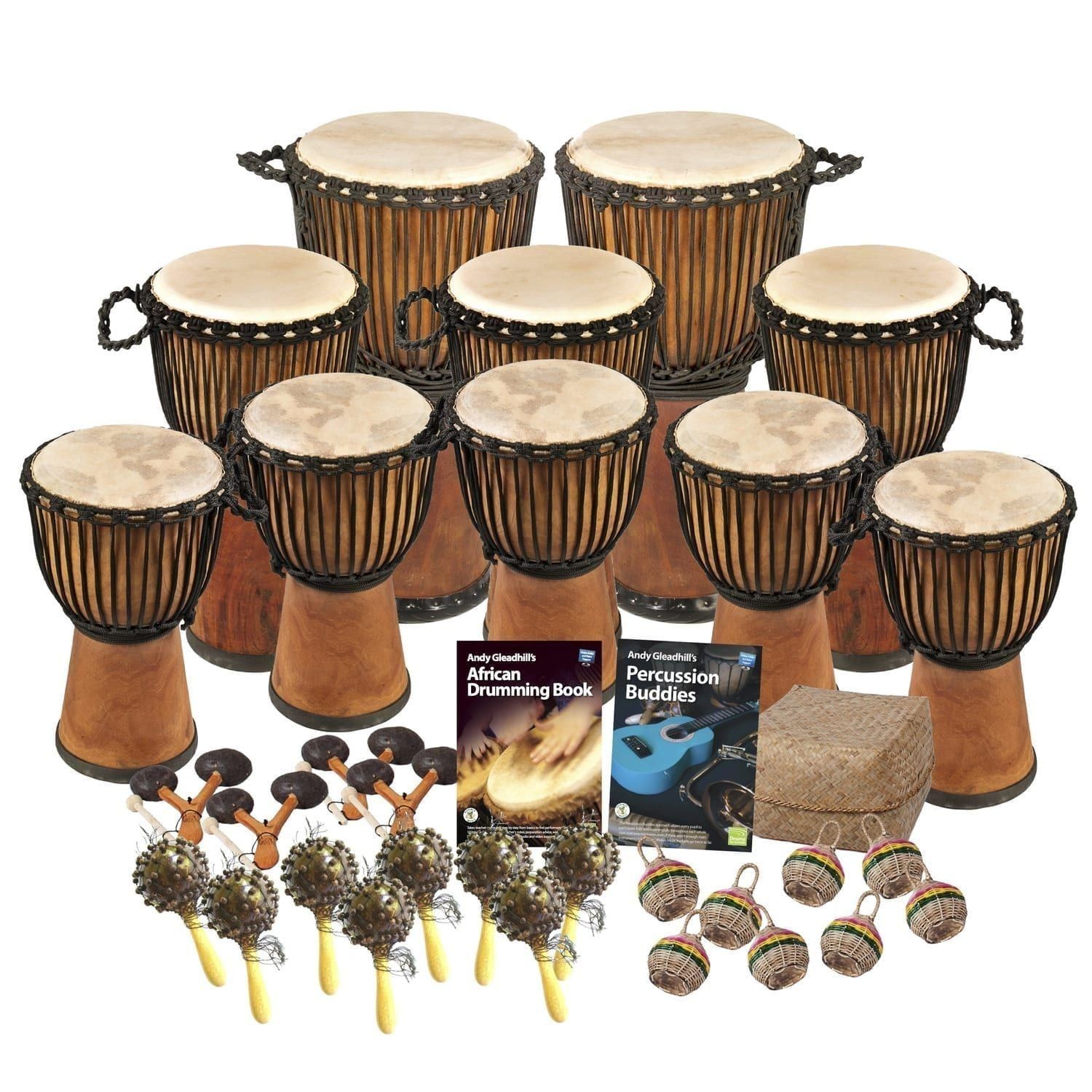
Djembe Drum Mixed Pack - 7", 8", 10", 12" - World Slap synthetic - rope-tuned
SKU: CM-PP6954
About West African Djembe Drumming
An African djembe drum is a traditional West African hand drum. You play it with bare hands. It creates three core sounds: bass, tone, and slap. Because it is loud and expressive, it works well for group drumming in schools and community circles. This page includes authentic wooden djembes and tough classroom-ready synthetic options. Use the guides below to choose the right size for your learners.
African djembe drumming is rooted in shared rhythm and community. Traditionally, people play the djembe together rather than alone. Because of this, the drum focuses on listening, timing, and group connection as much as technique. These qualities make African djembe drumming especially effective for learning, workshops, and inclusive group settings.How to Play the Djembe
The African djembe drum looks simple at first. However, once you start playing, it reveals a wide range of sounds and techniques. Beginners can pick up the basics quickly. At the same time, djembe drumming offers depth and control for players who want to develop their skills.
Starting with the Basics
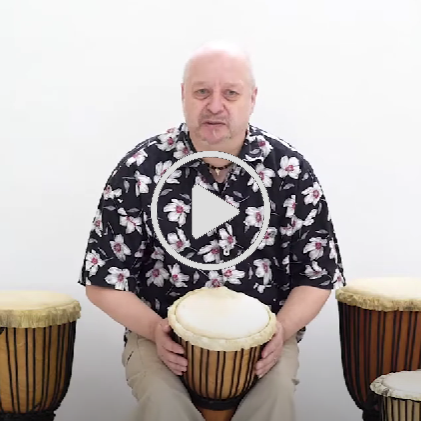
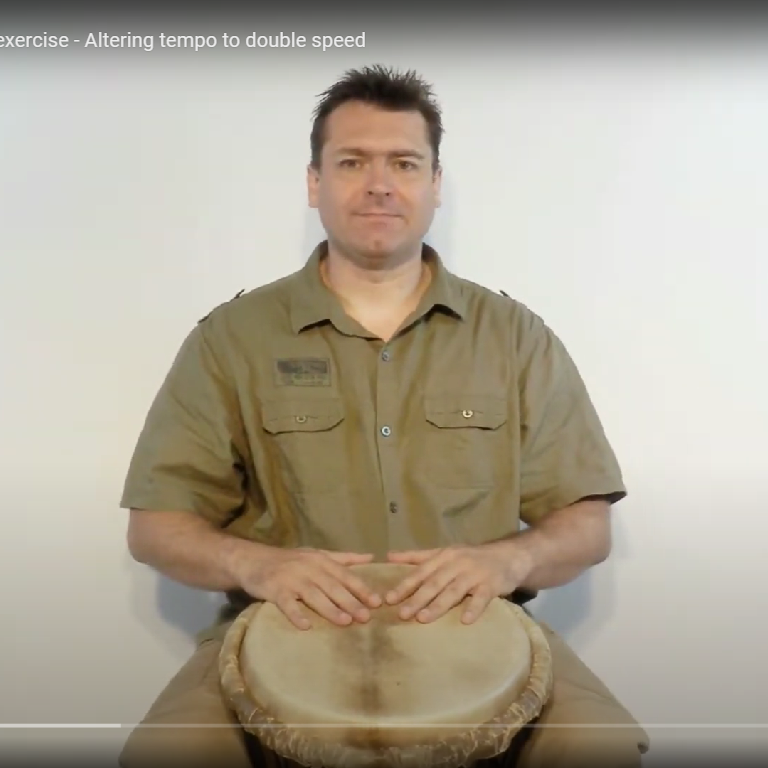
Anyone can pick up a djembe and make a sound within seconds. You do not need sticks or special setup. To begin, sit comfortably and tilt the drum slightly away from your body. Rest it securely between your knees so it stays stable as you play.
The Three Core Djembe Sounds
What makes the djembe instantly recognisable is its range of three core sounds. Each one comes from a different hand position and strike. Use this simple guide to bring out clear, confident tones.
Bass
Strike the centre of the drum with your palm and fingers together. Keep your hand relaxed. Think of gently bouncing a basketball. This creates a deep, full sound that you can feel as well as hear.
Tone
For a brighter sound, strike the edge of the drumhead with your fingers together. Let your fingers bounce off straight away. Do not press into the skin. This produces a clear, ringing tone that cuts through group rhythms.
Slap
The slap takes more practice, but it adds energy and contrast. Strike near the rim with fingers slightly spread and relaxed. You will hear a sharp, high-pitched accent. Over time, players develop their own natural approach.
Practice and Progress
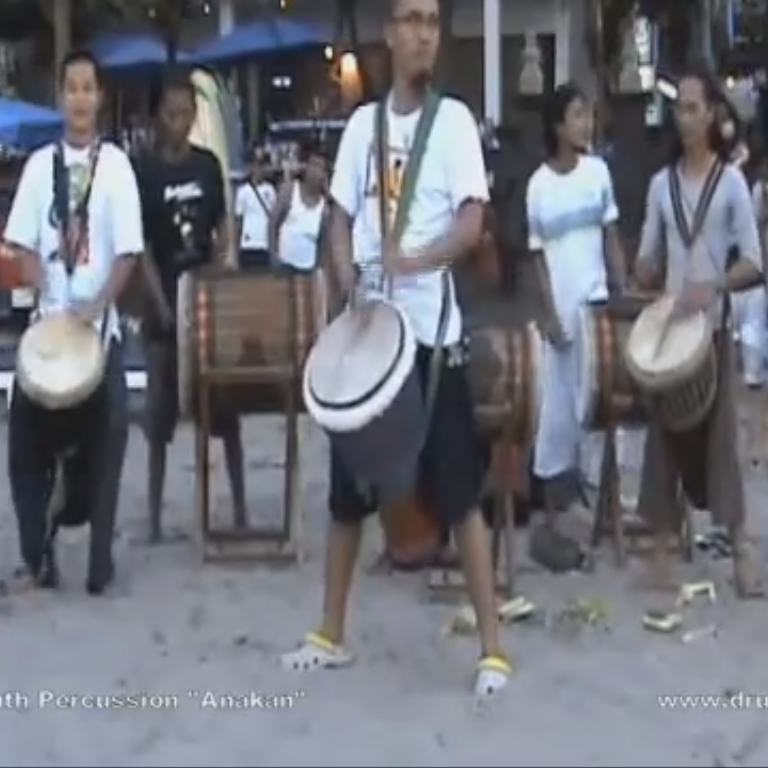
The real impact of the djembe comes through practice and listening. Listen to the drum. Listen to the people playing around you. With time, the three core sounds blend into many rhythms. This makes djembe drumming suitable for small groups, large halls, and outdoor events.
Start by combining bass, tone, and slap into simple patterns. As confidence grows, the expressive range of djembe drumming opens up naturally.
African Djembe Drums for Schools and Community Groups
This range supports both classroom teaching and group drumming sessions. As a result, it works well for schools, clubs, and community groups of all sizes.
- Single classroom djembes, ideal for topping up sets or choosing a specific size
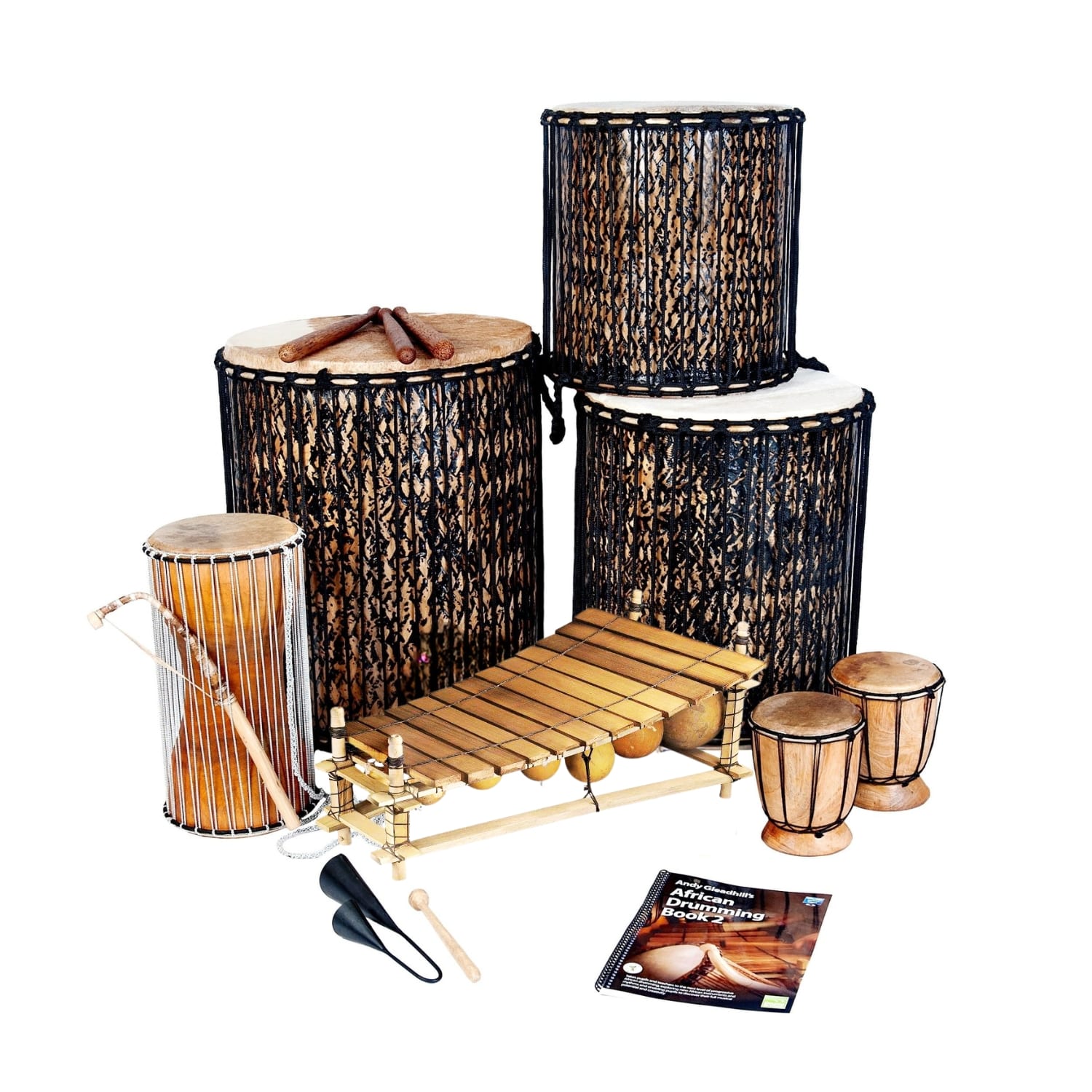
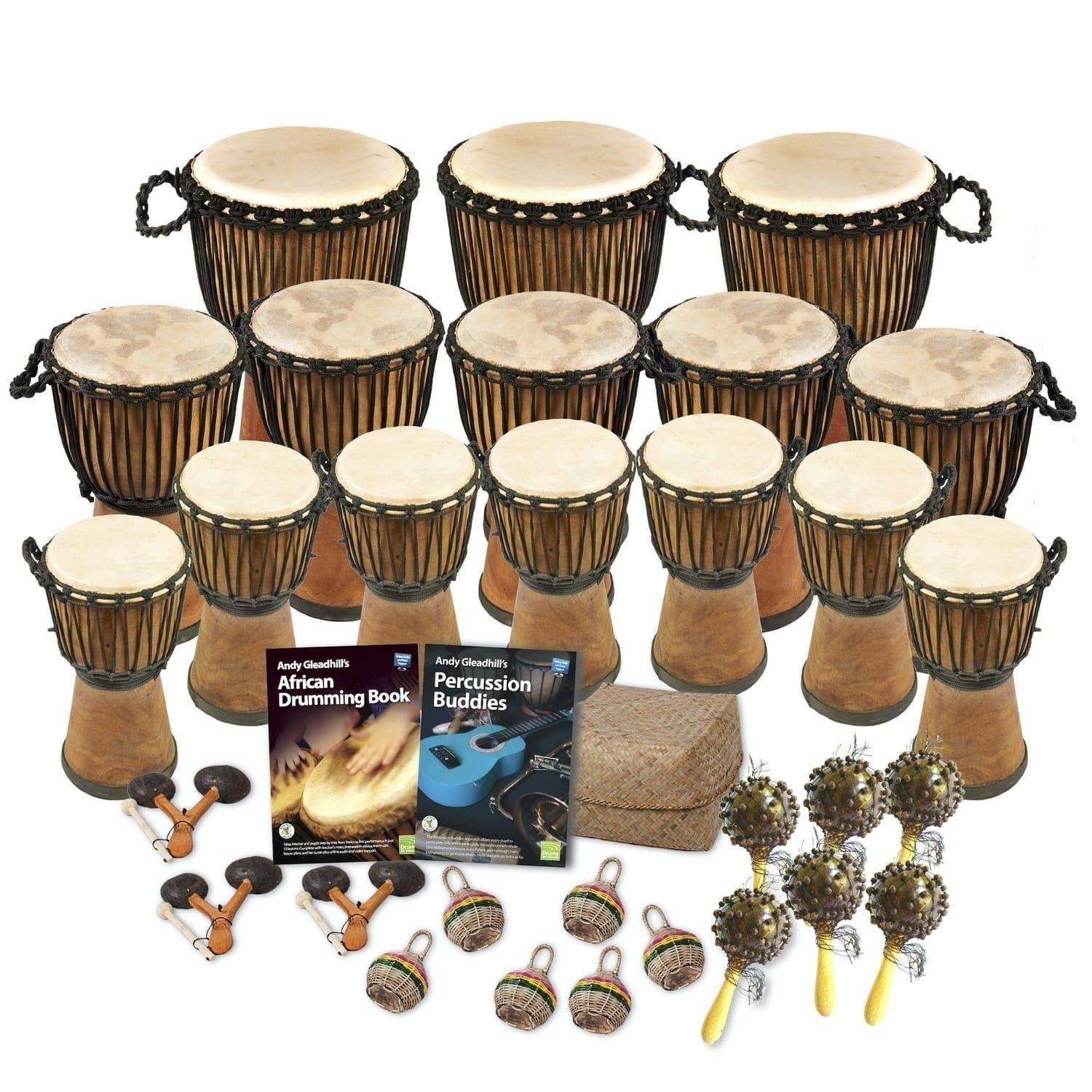
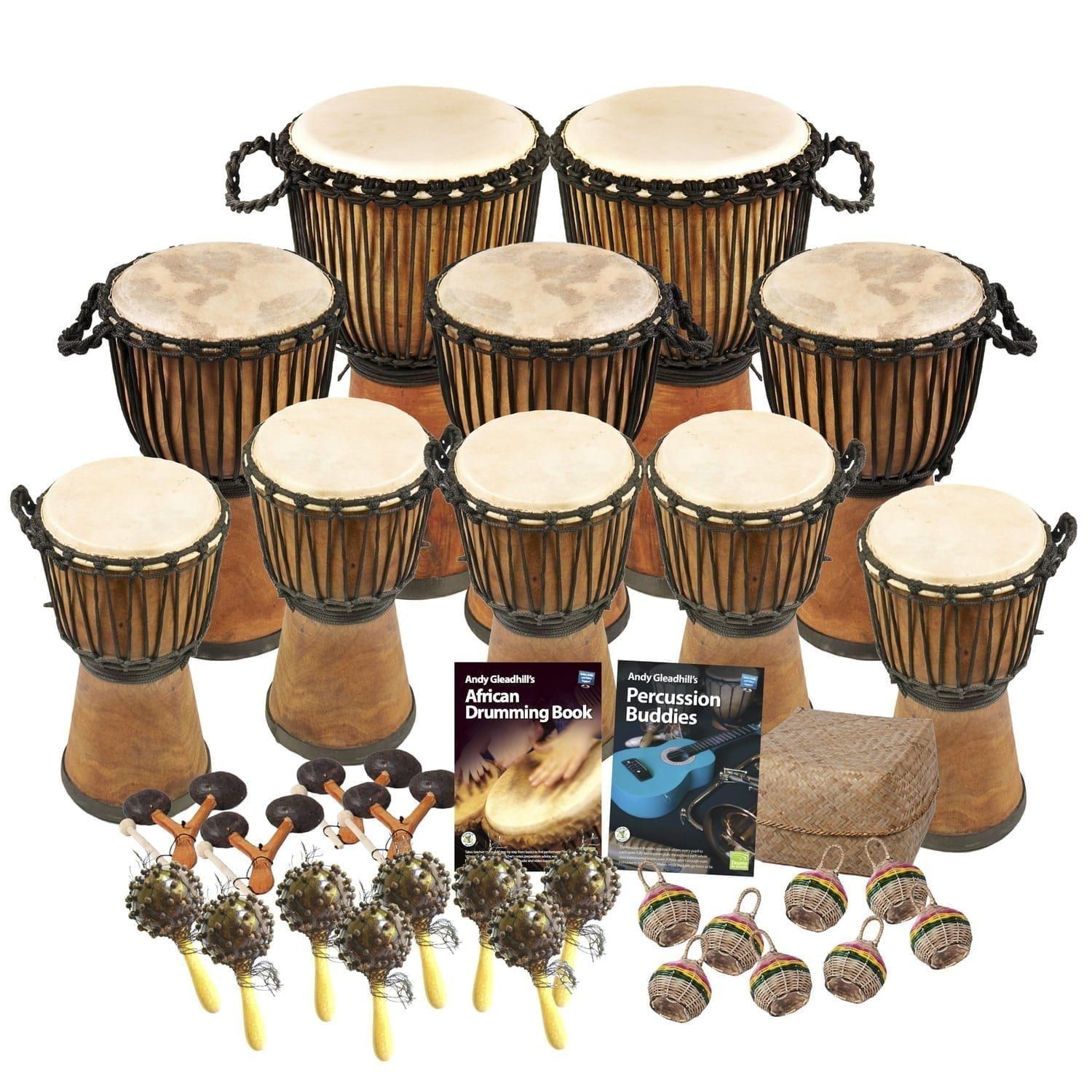
- Djembe sets and class packs for primary, secondary, clubs, and group use
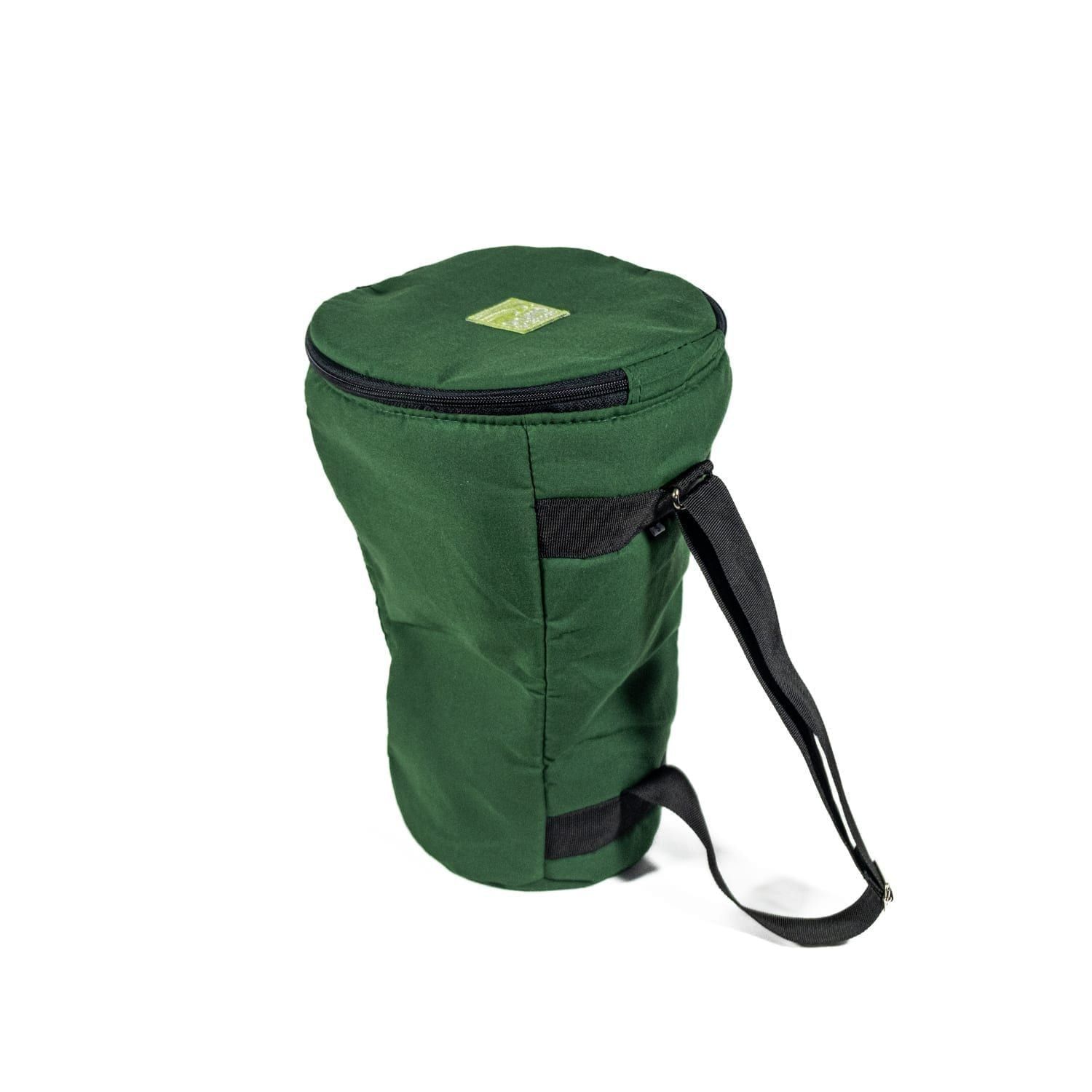
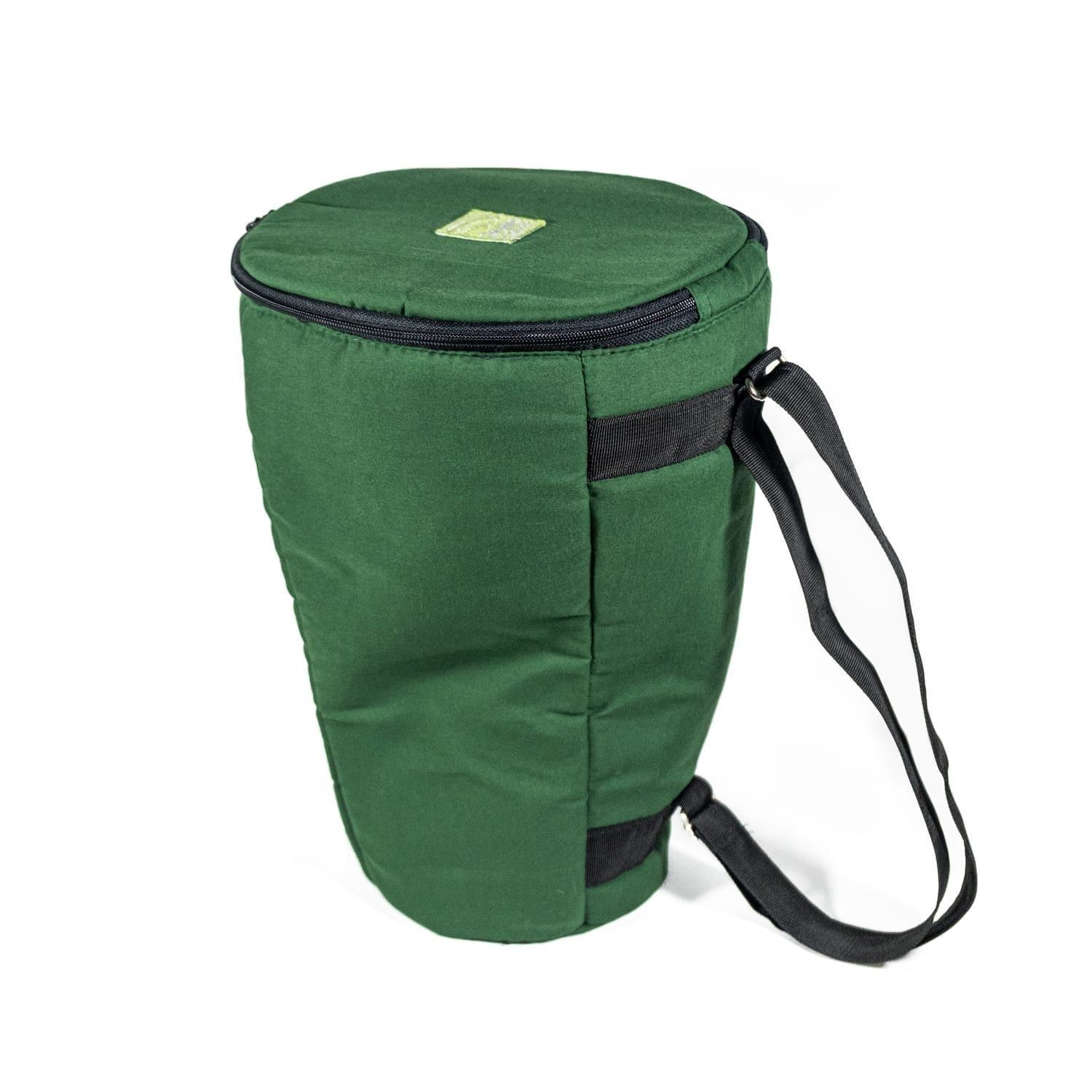
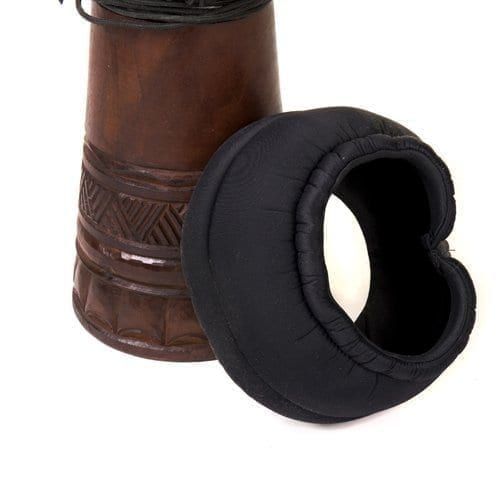
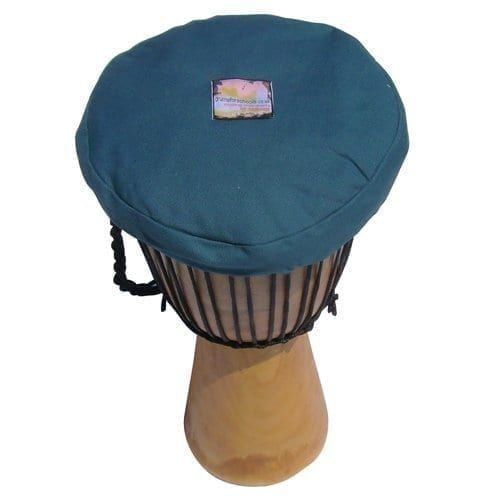
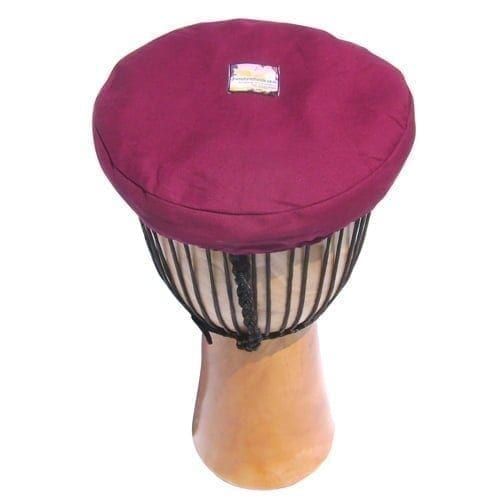
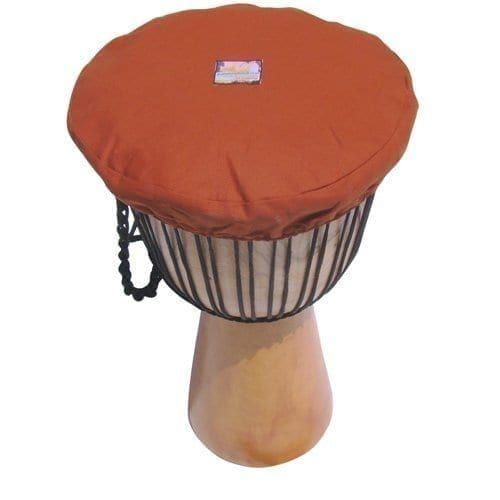
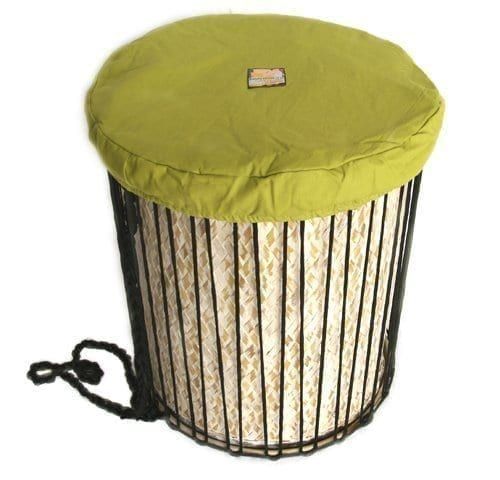
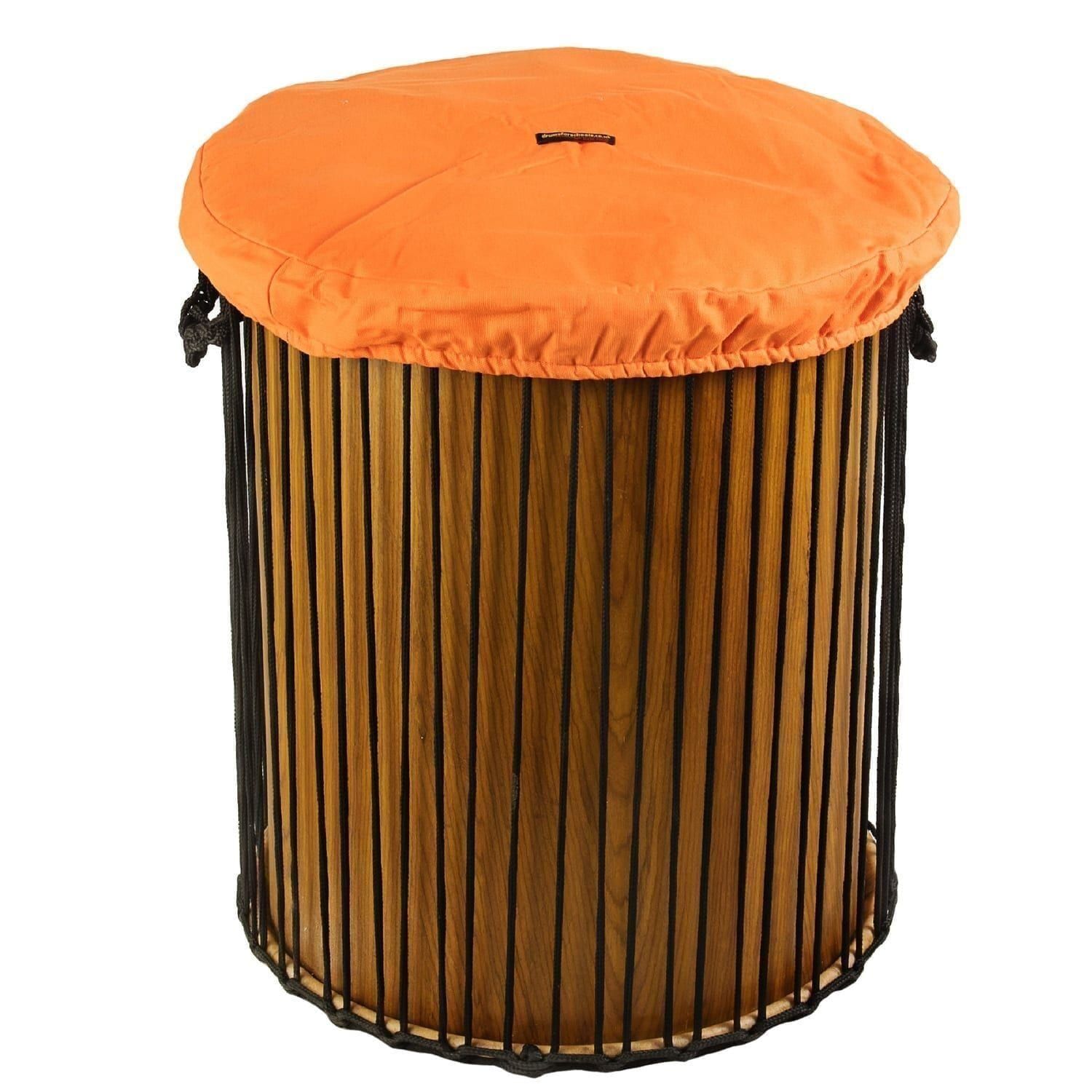
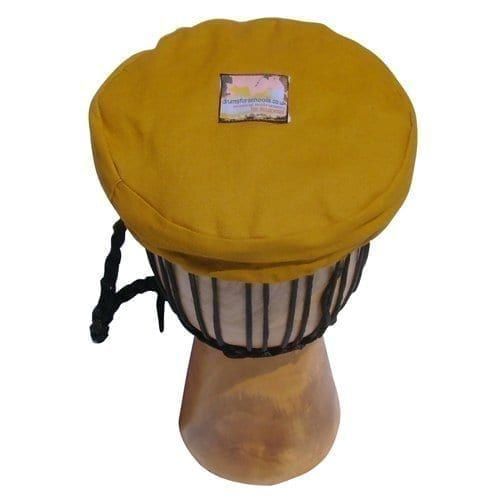
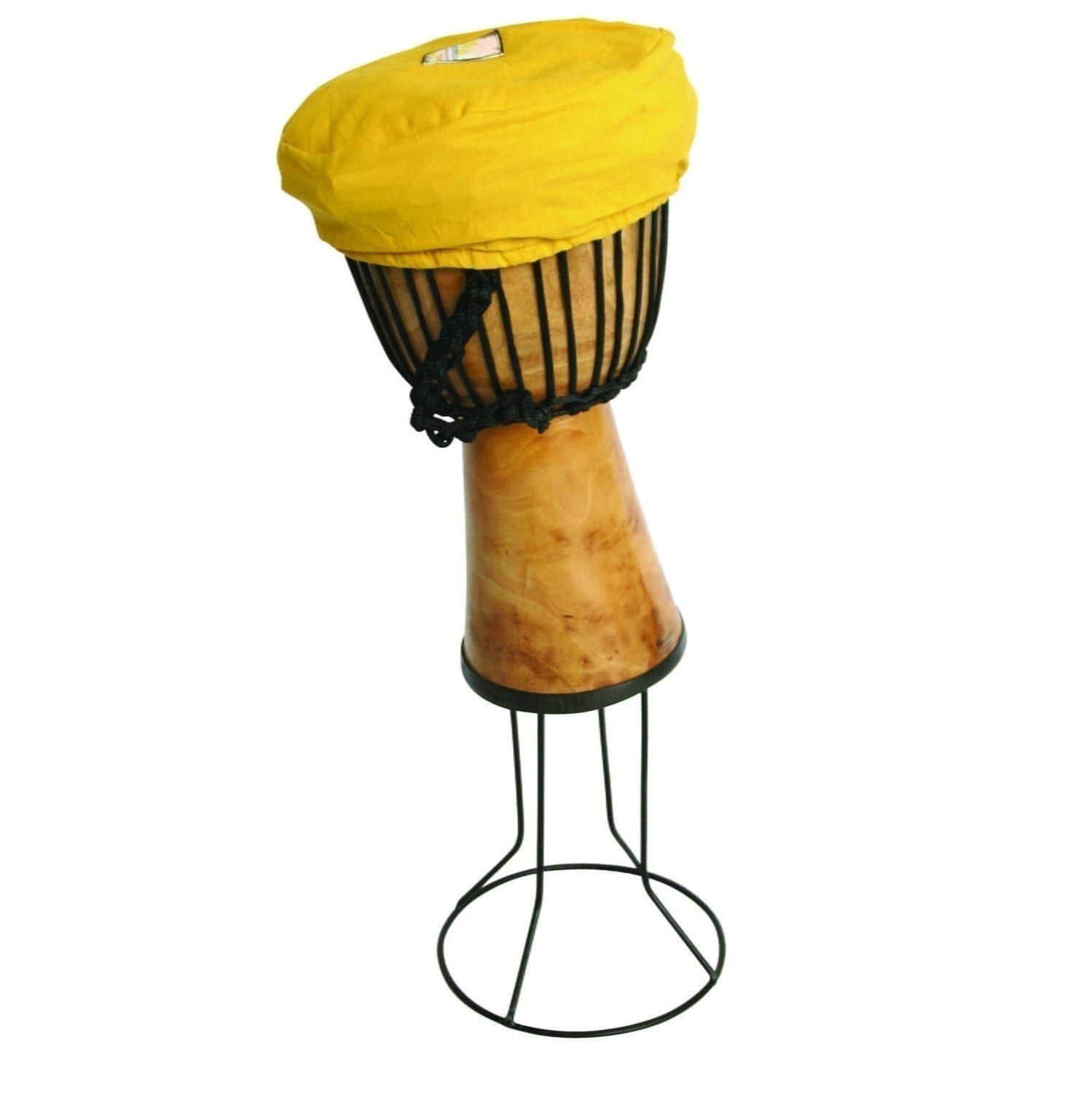
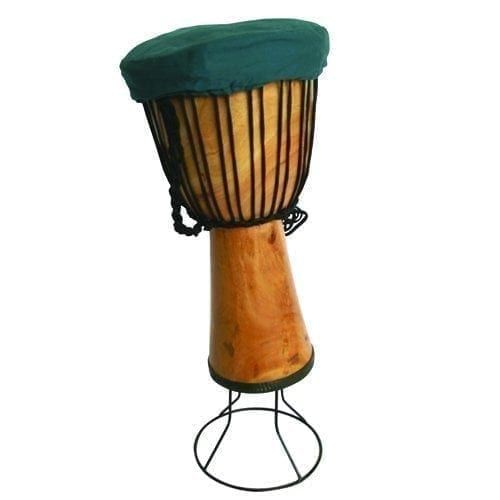
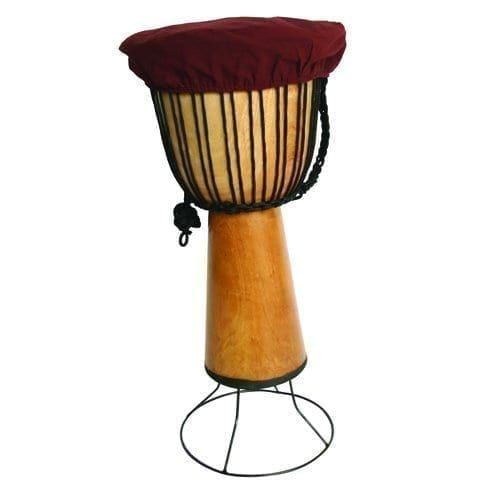
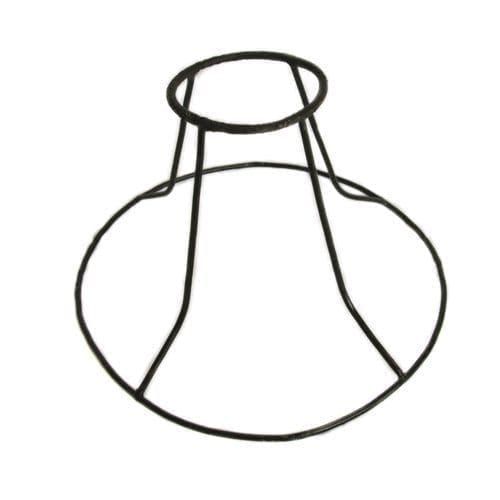
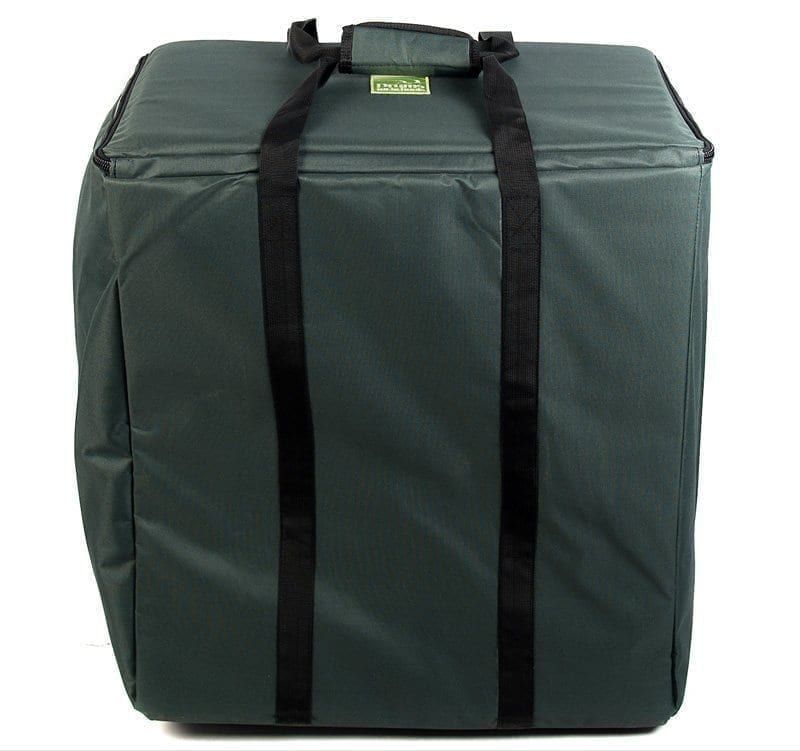
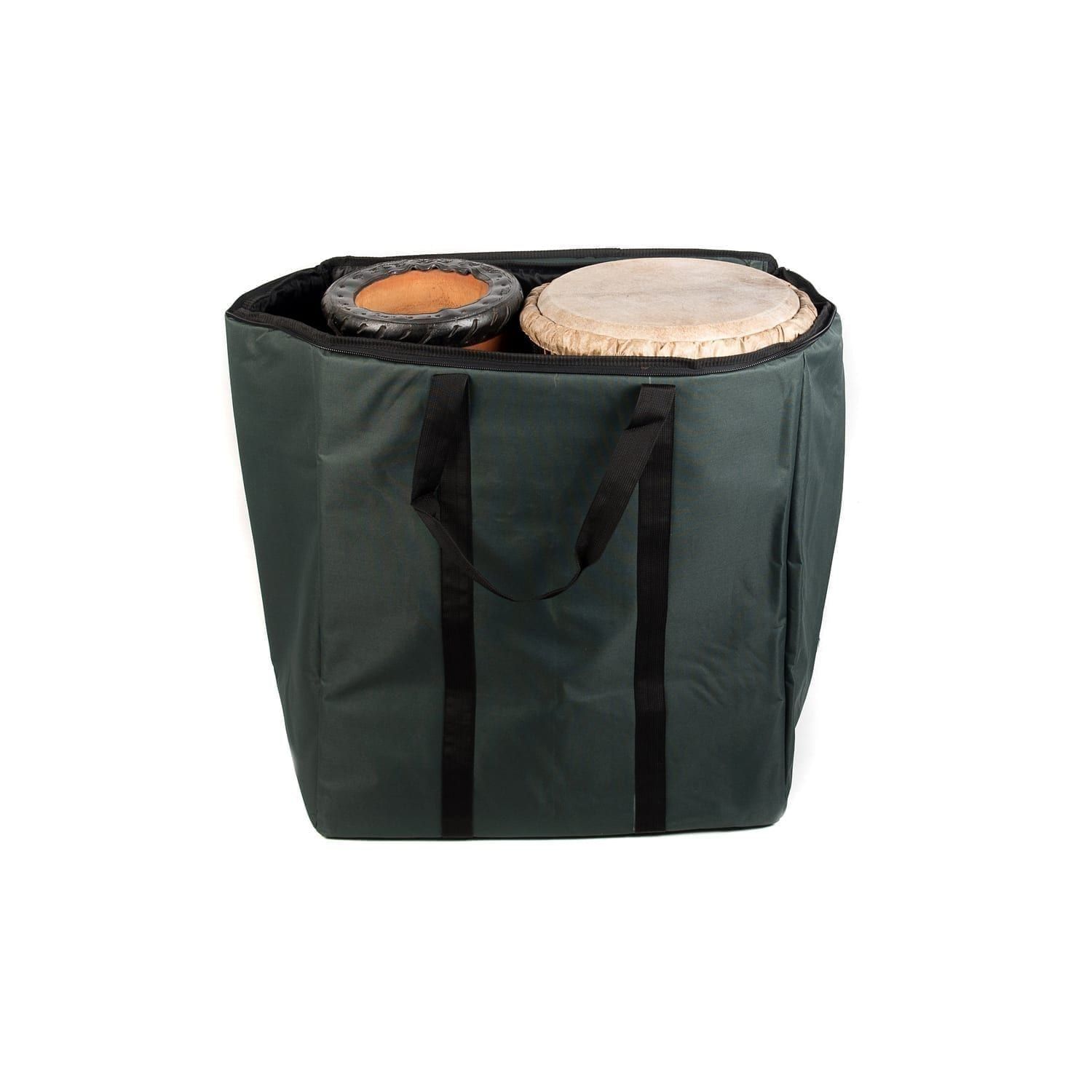
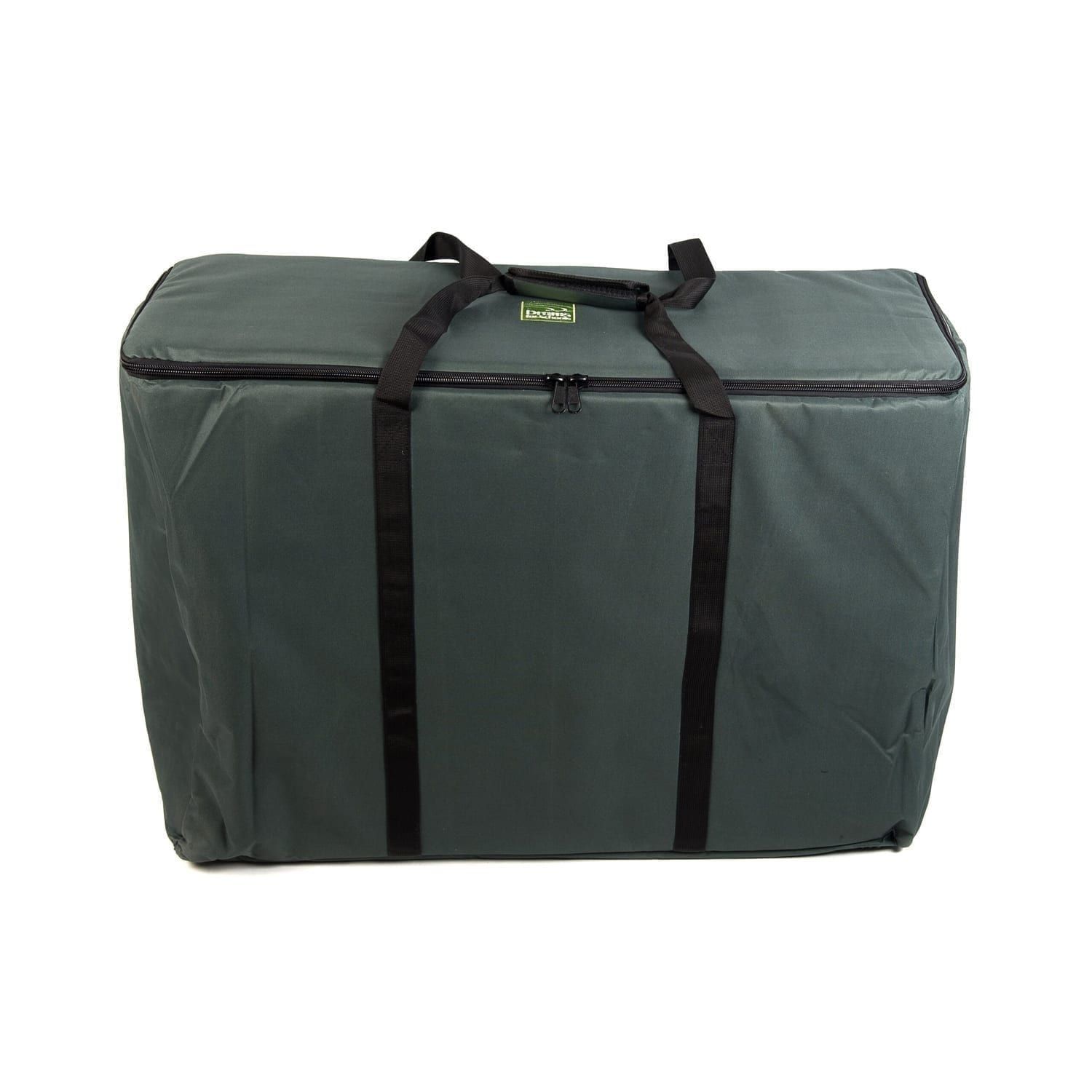
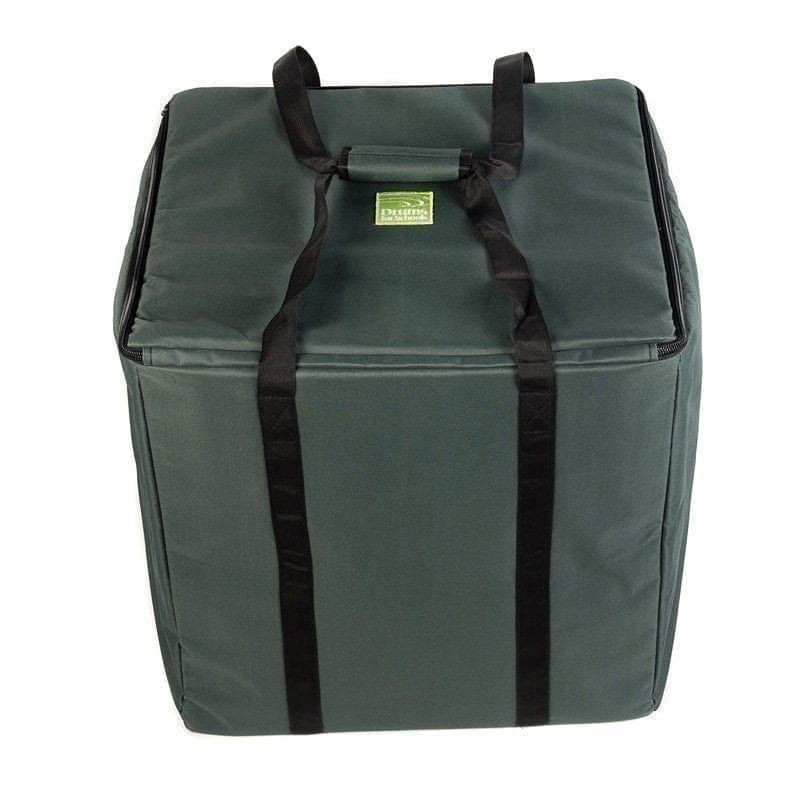
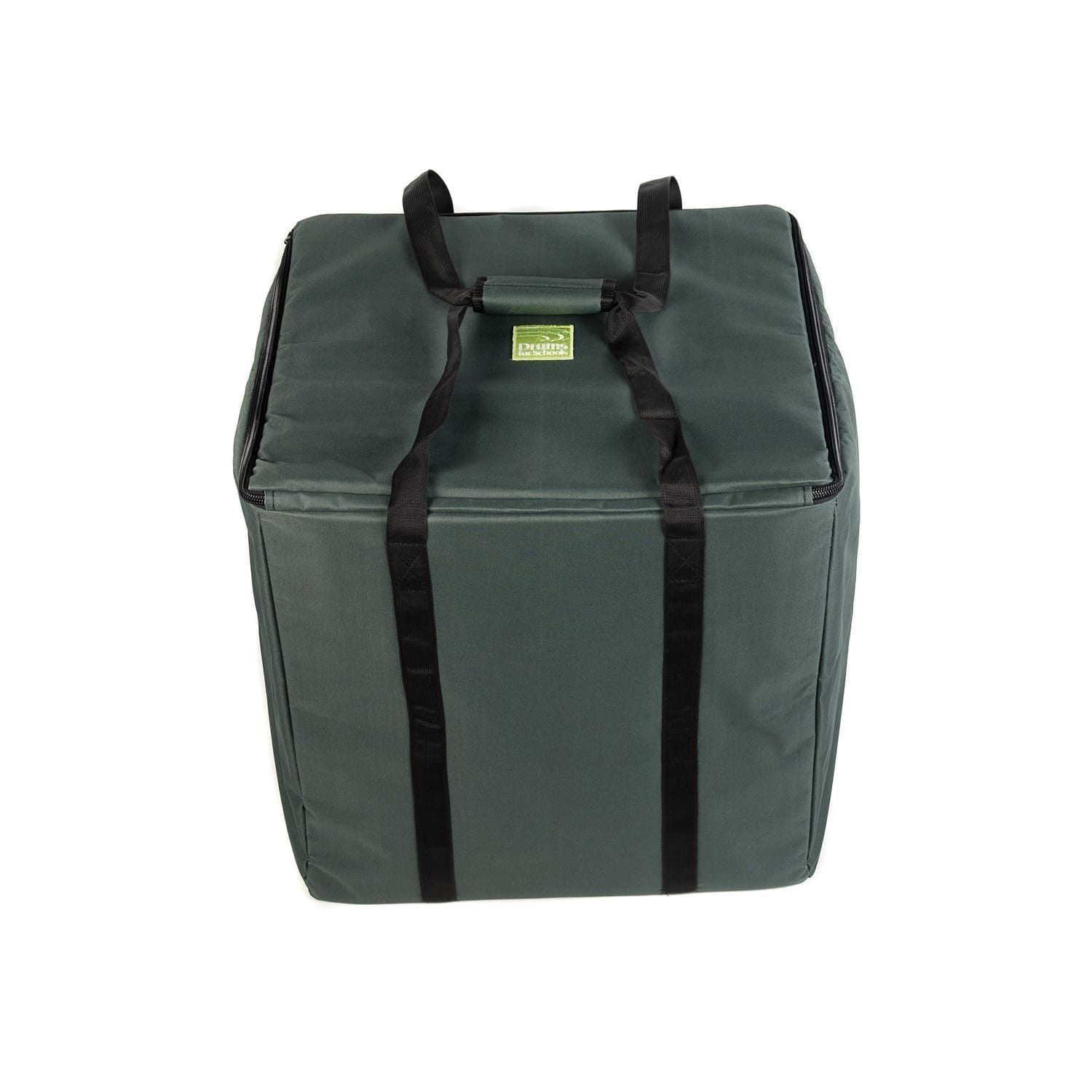
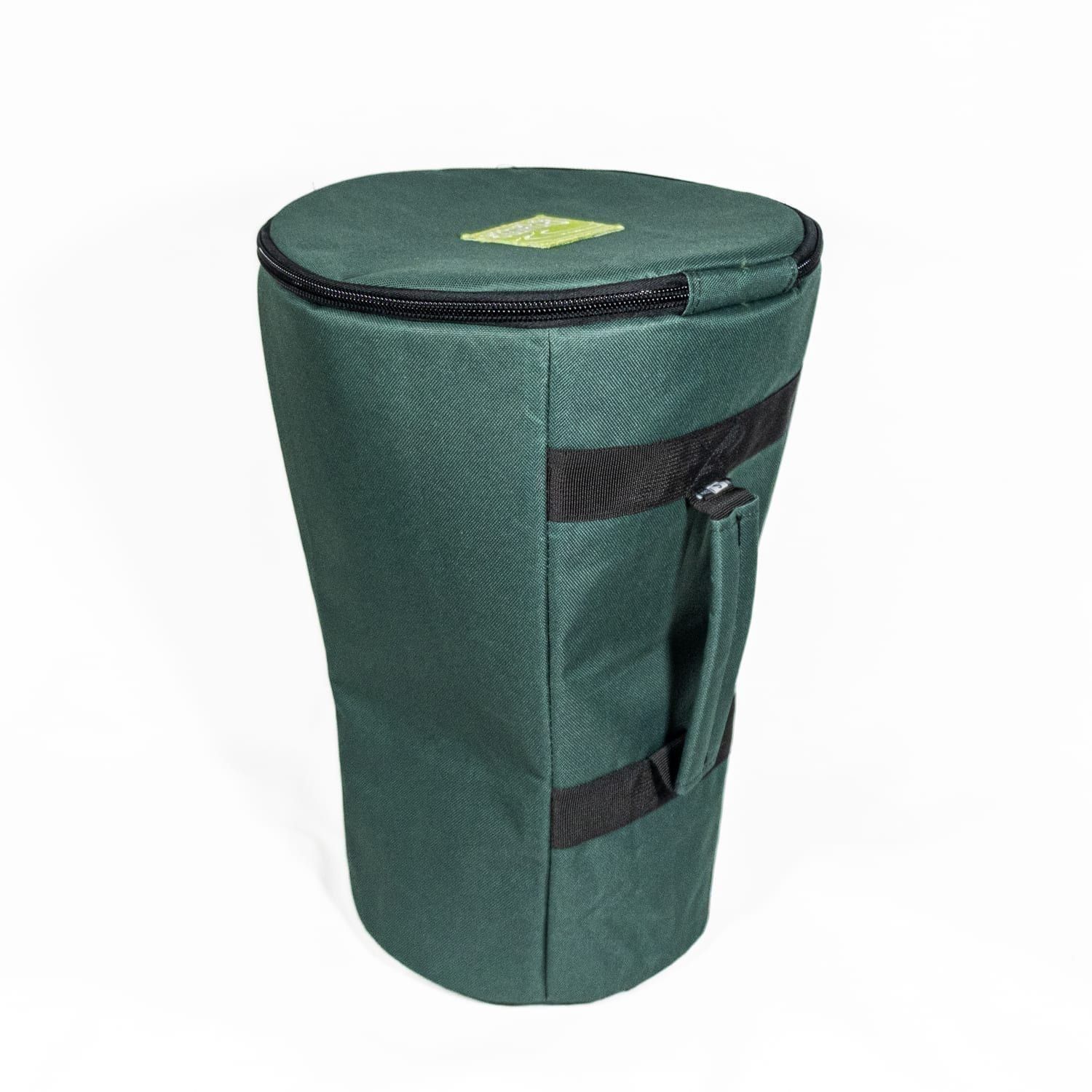
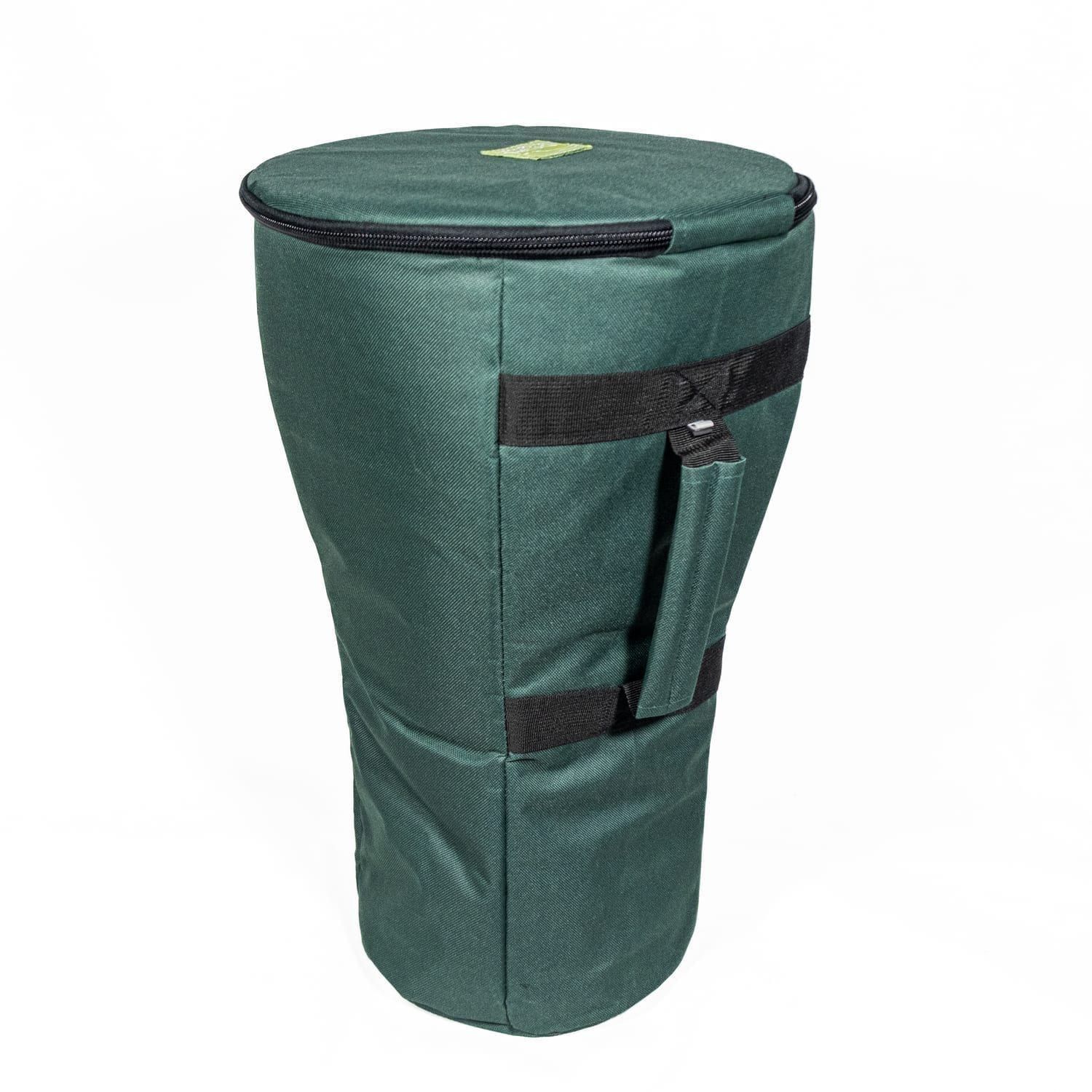
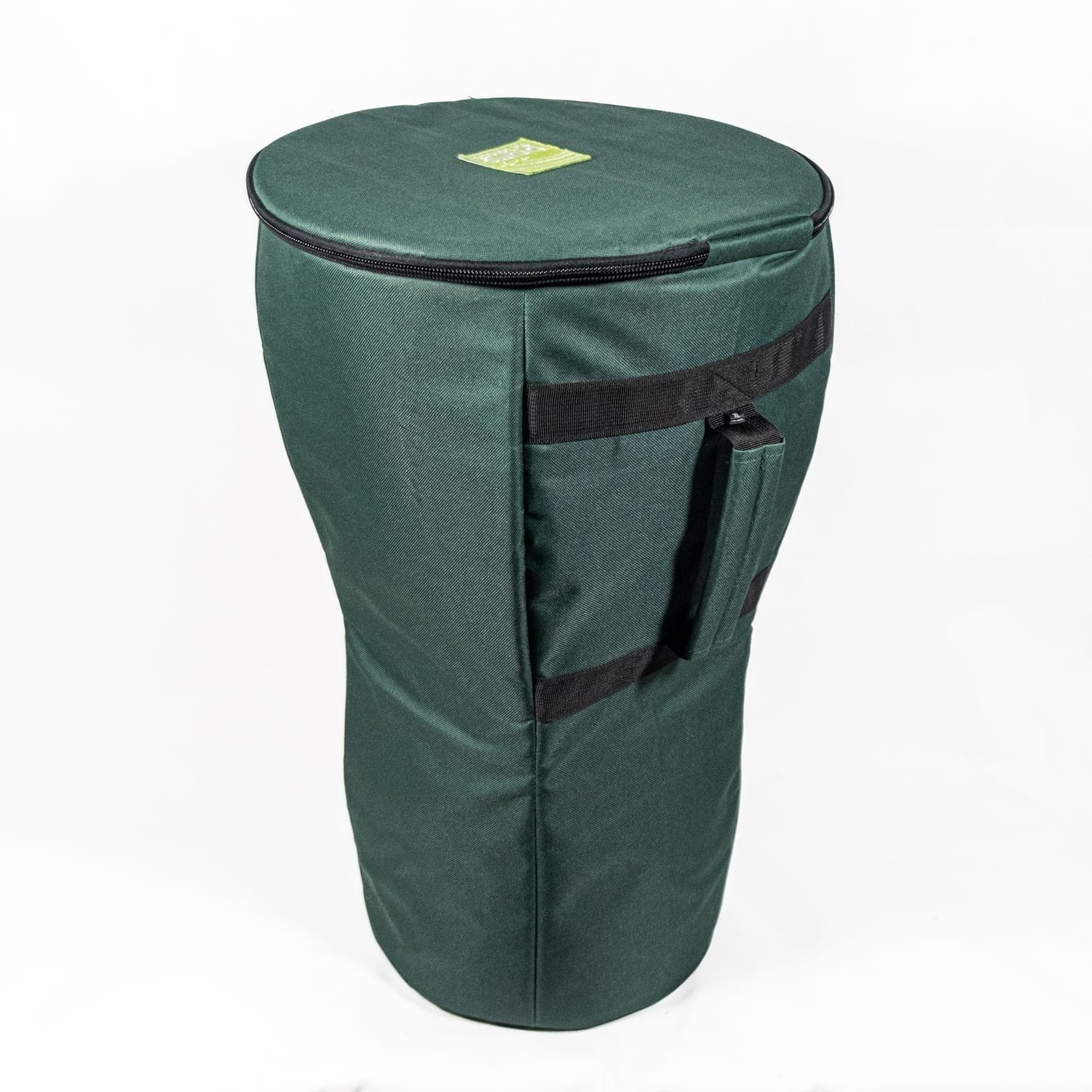
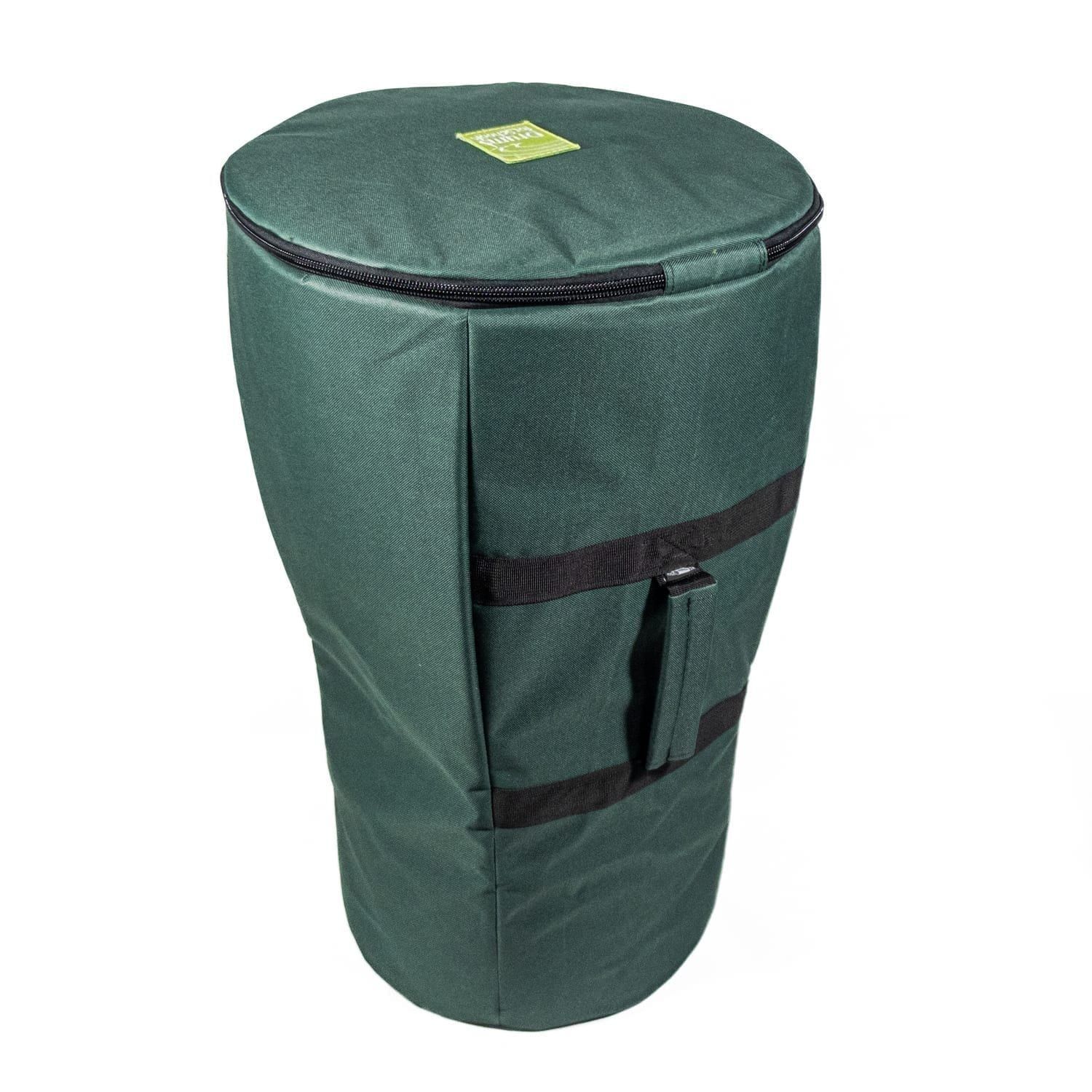
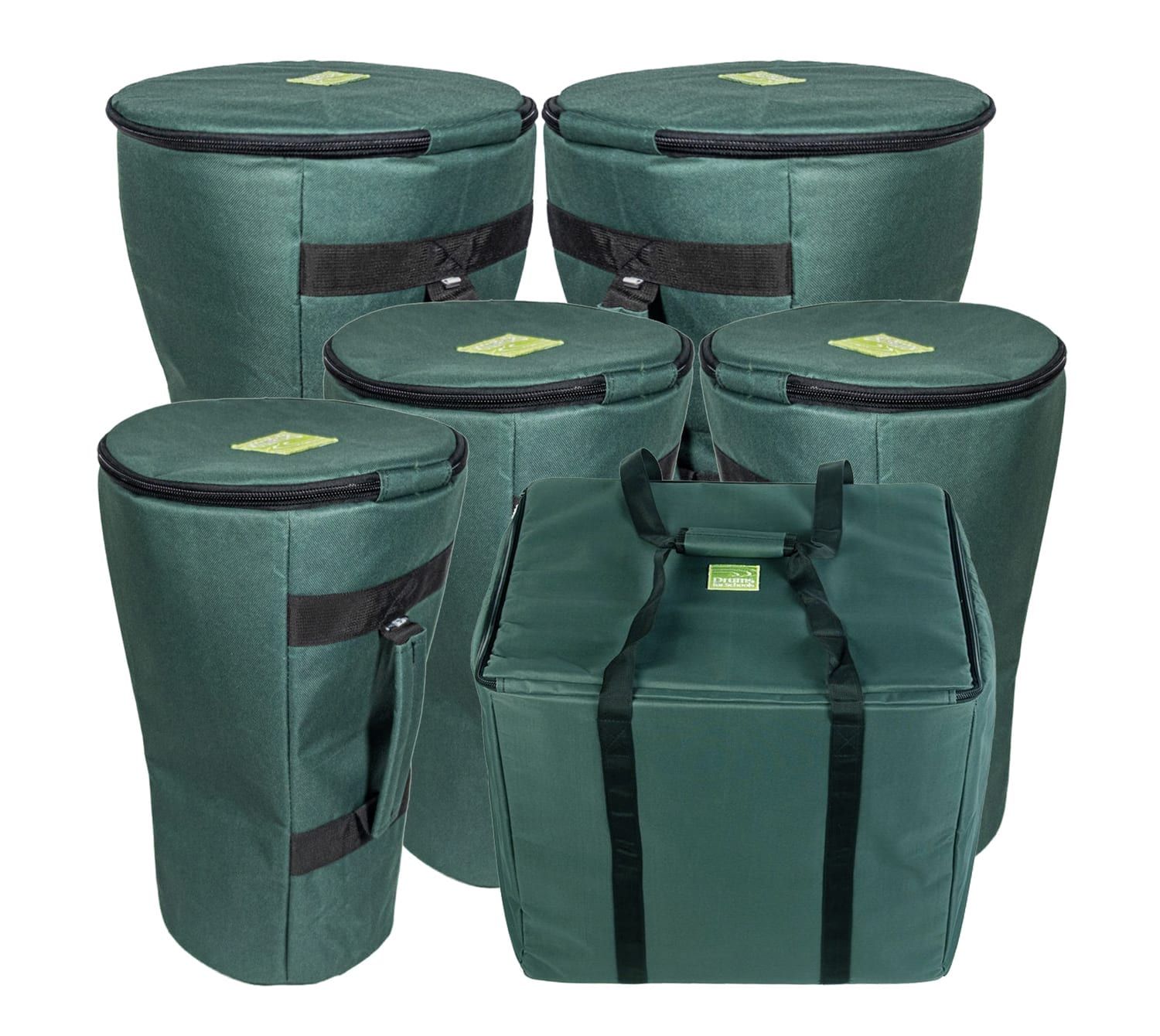
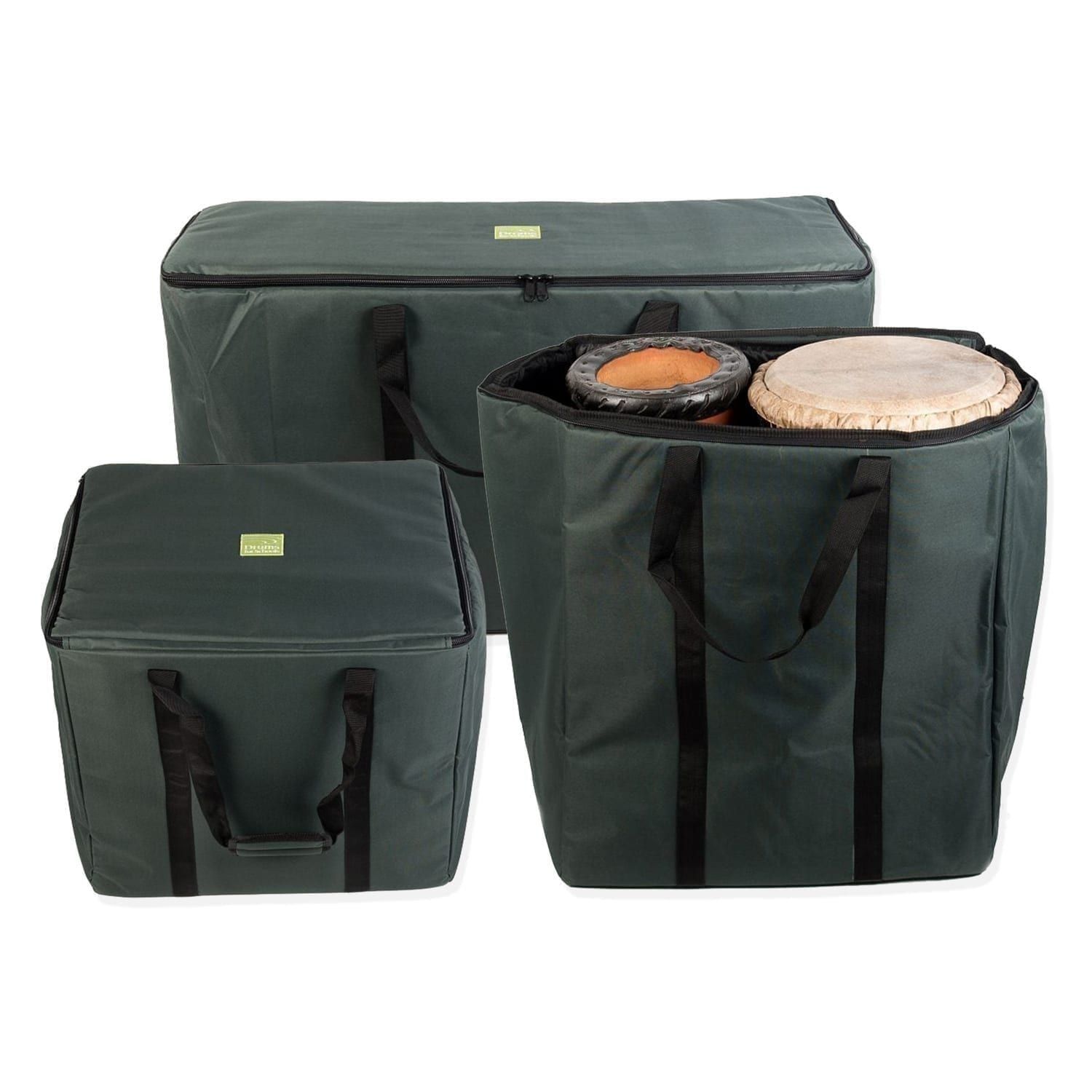
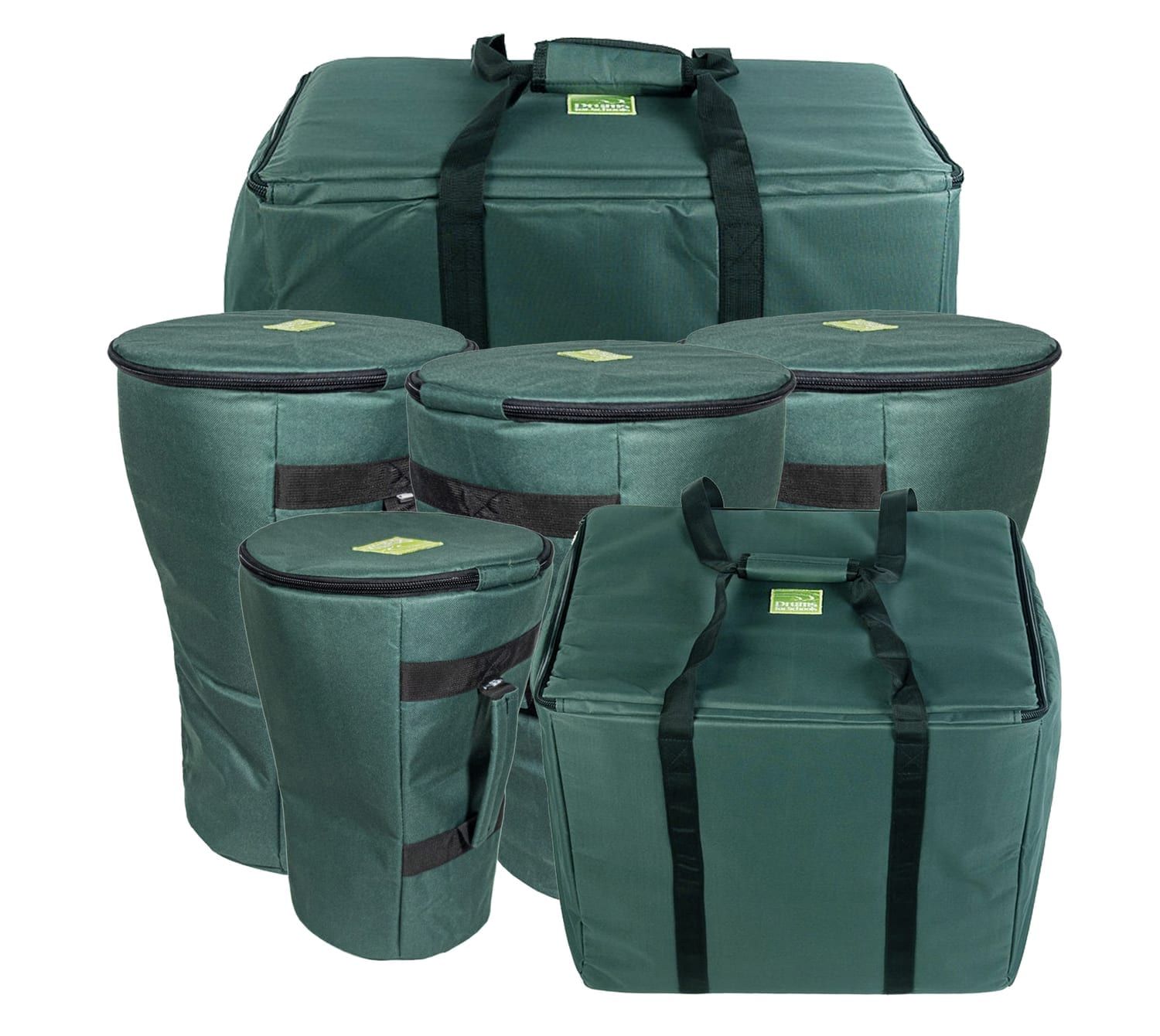
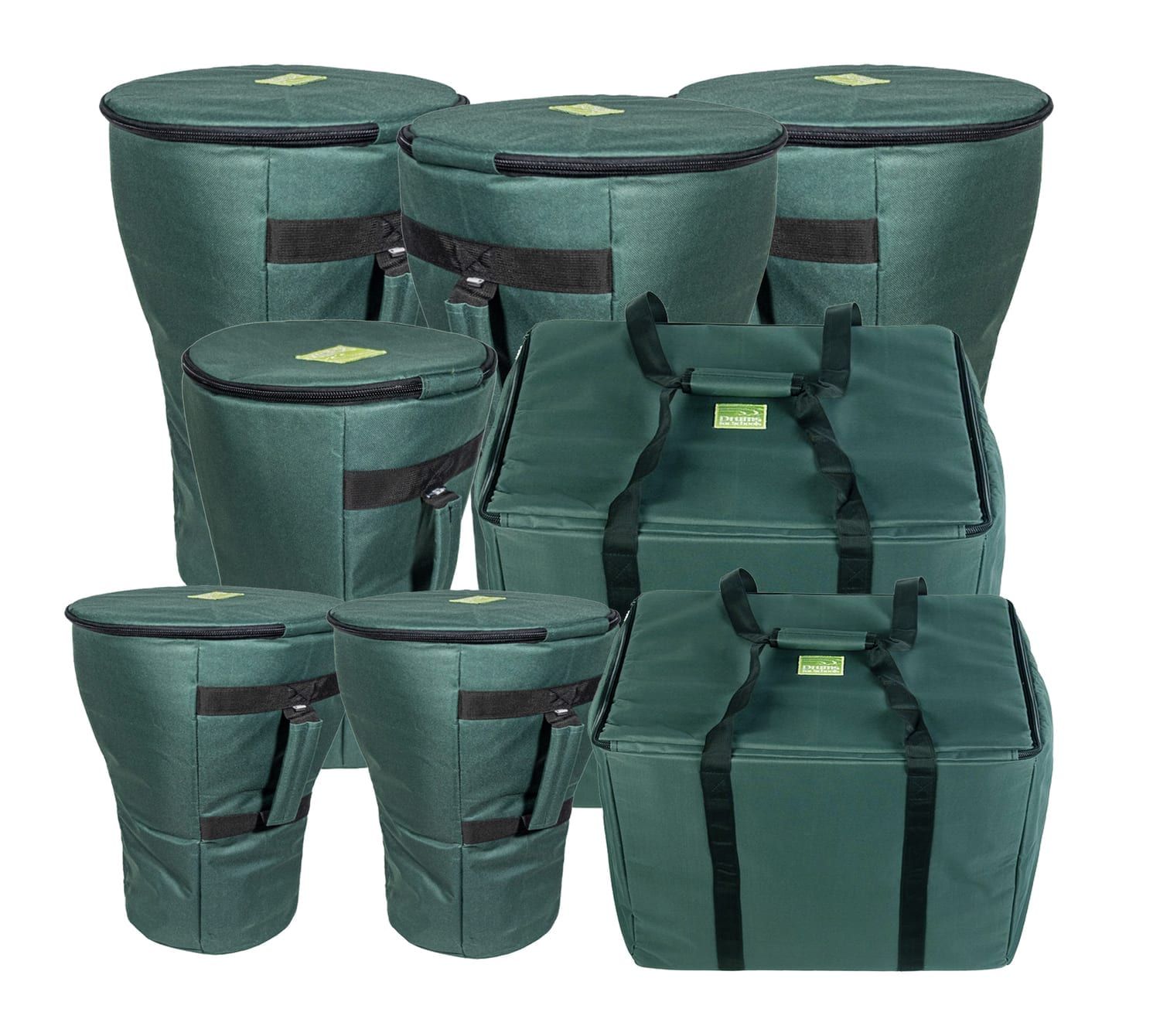
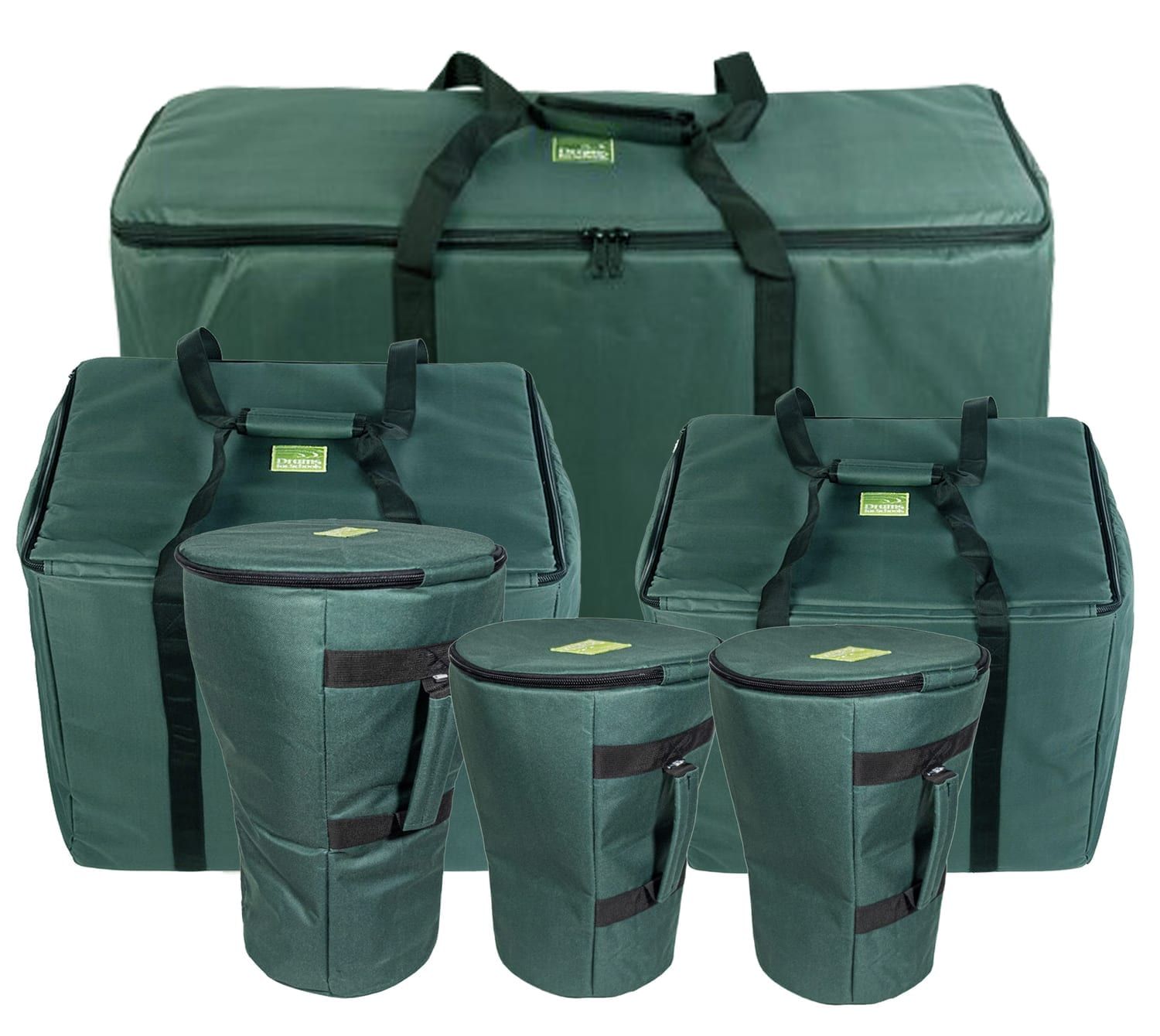
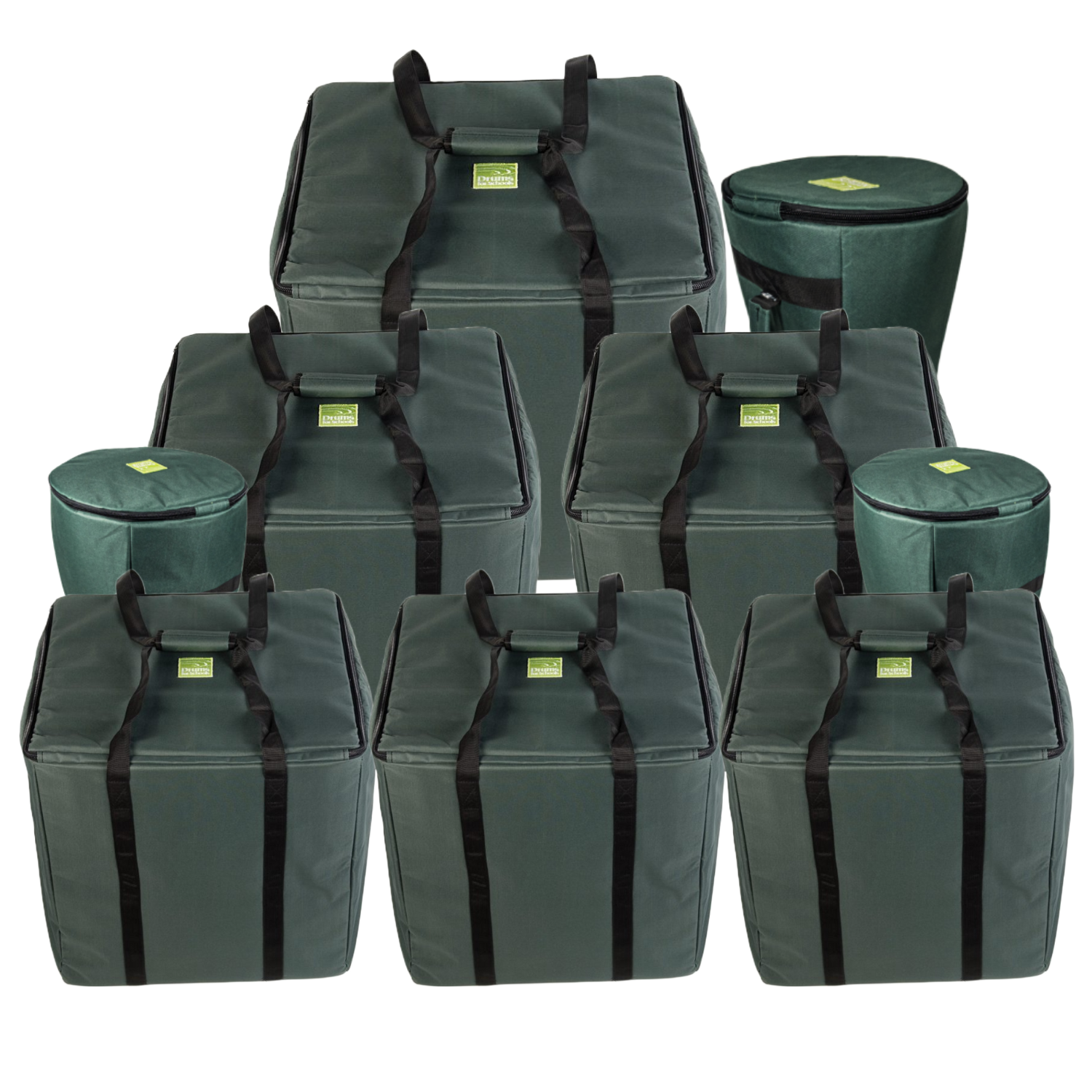
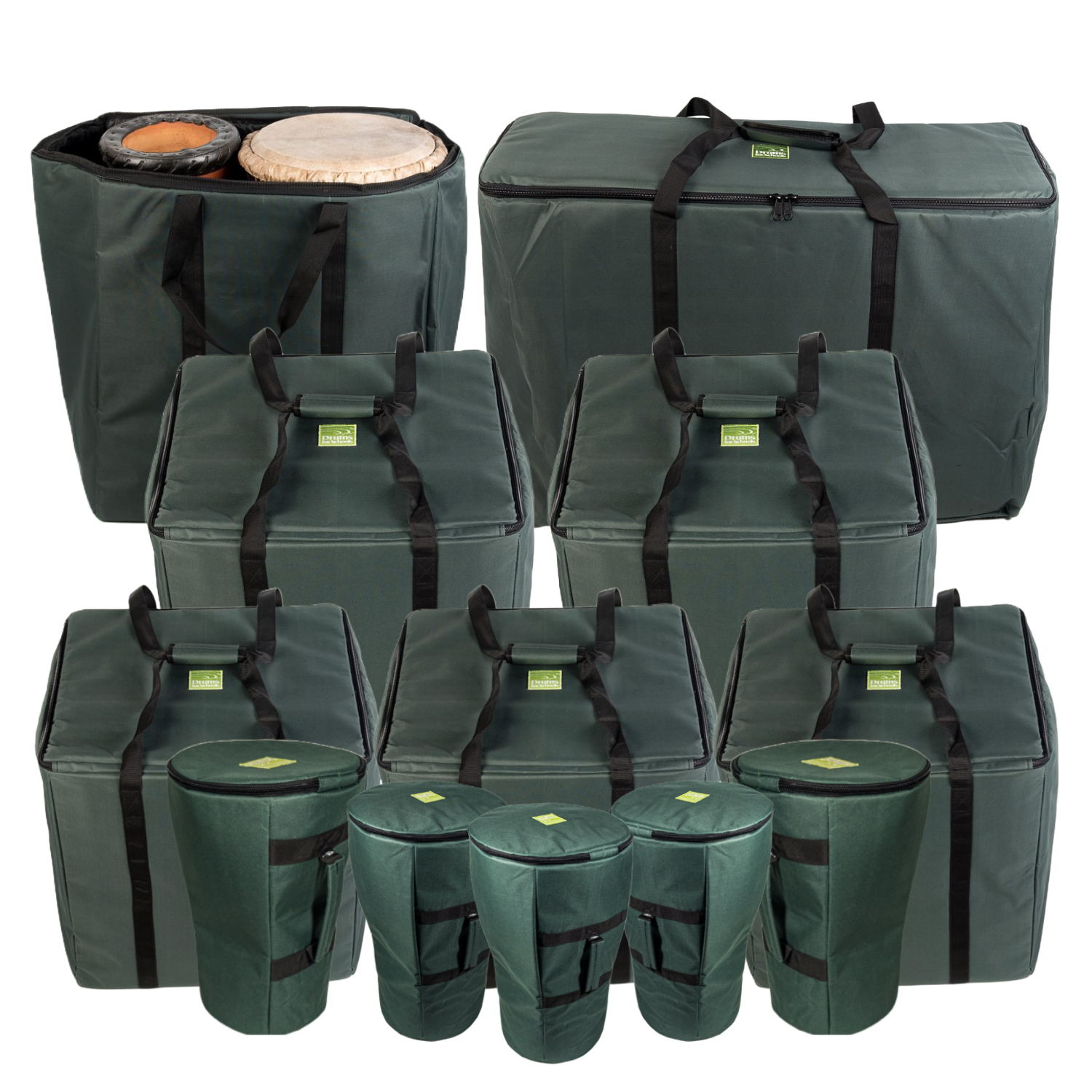
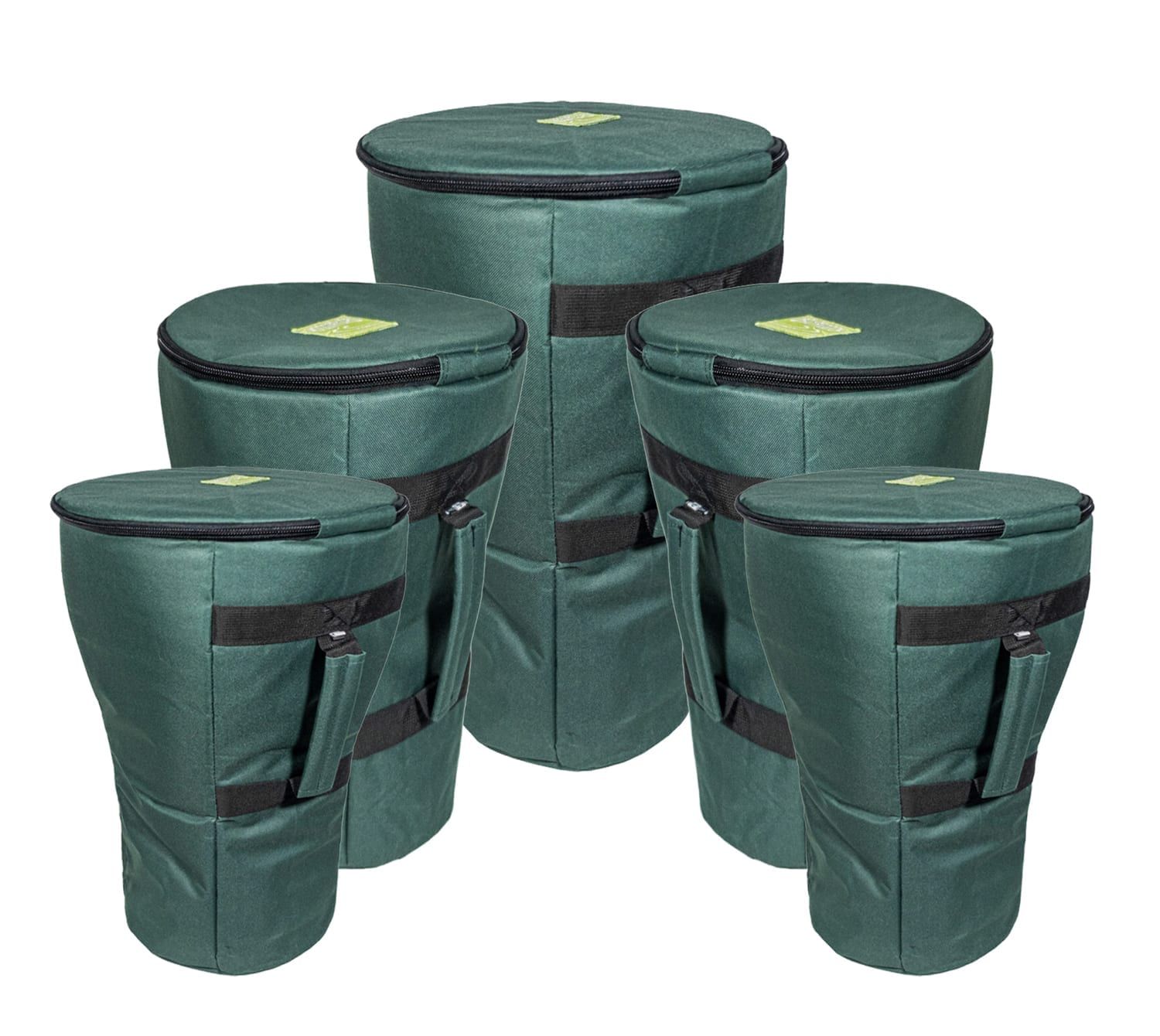
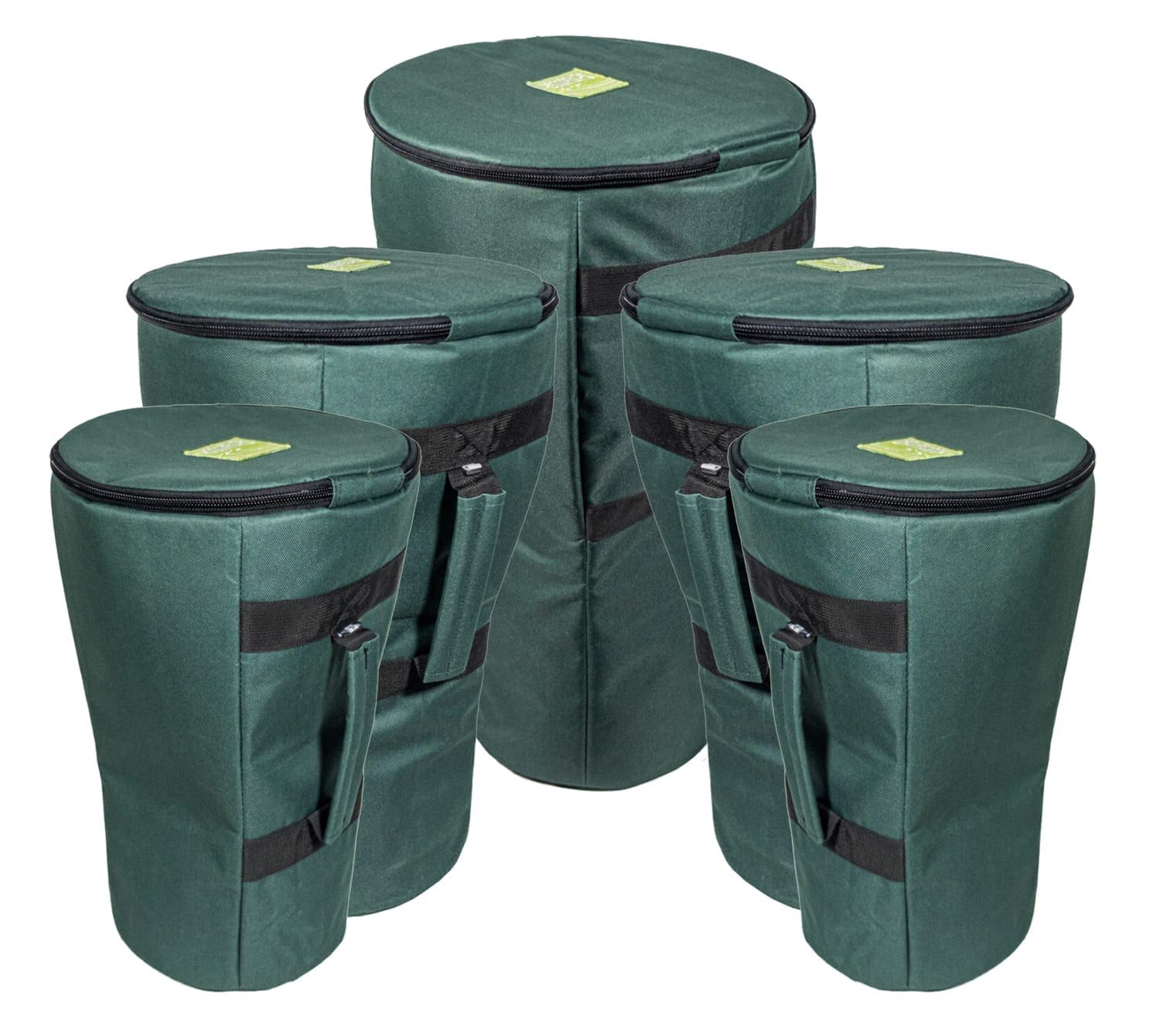
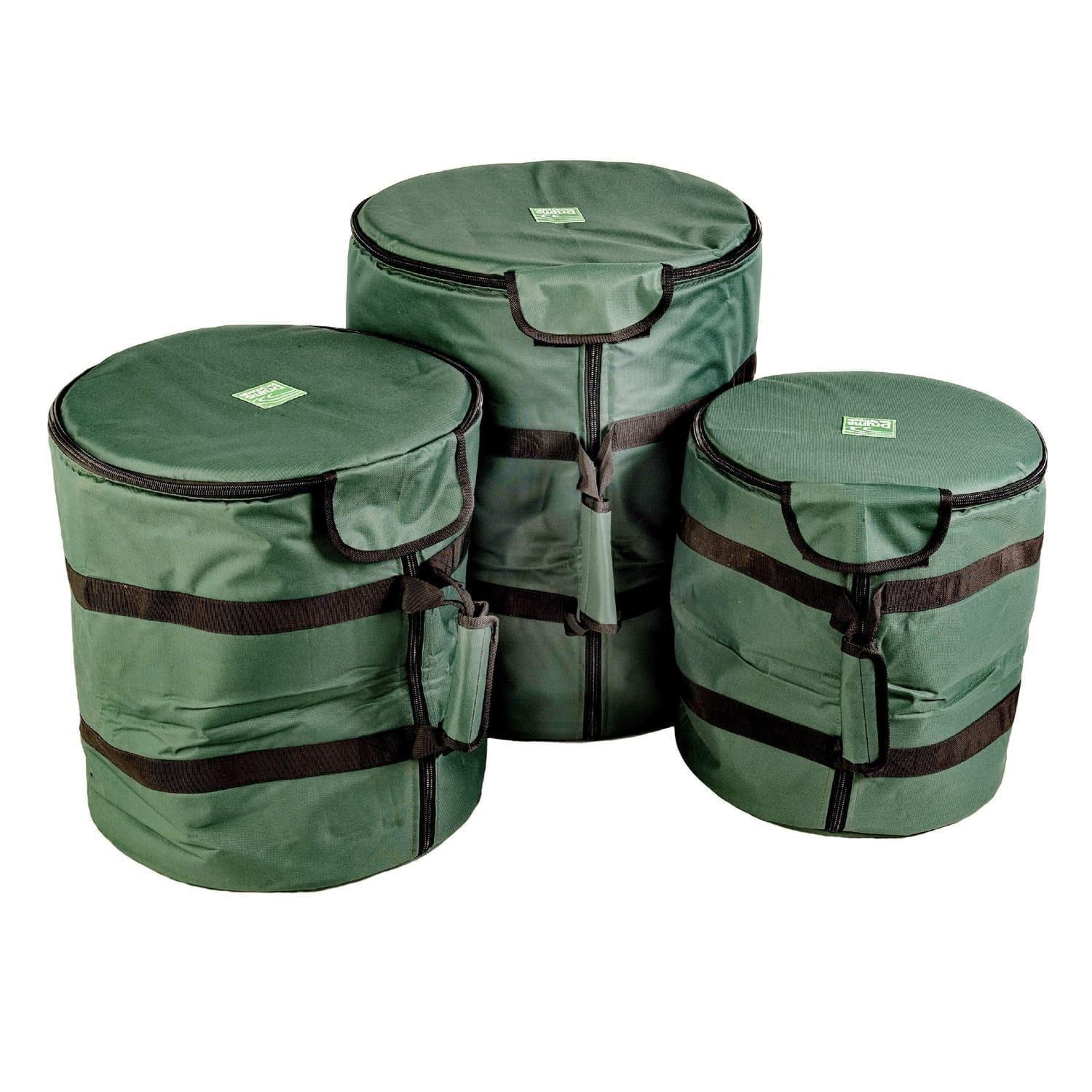
- Protective extras, including djembe drum bags, multi-drum storage, covers, stands, and foot protectors
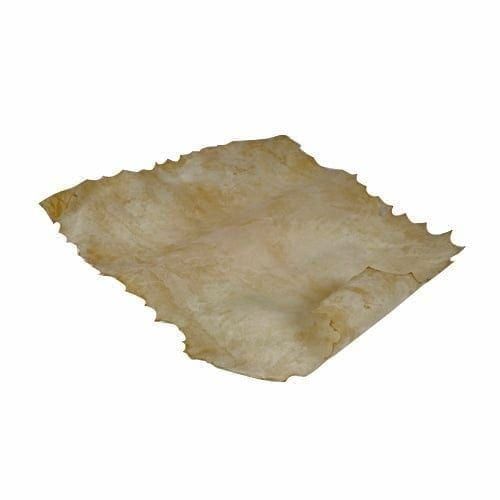
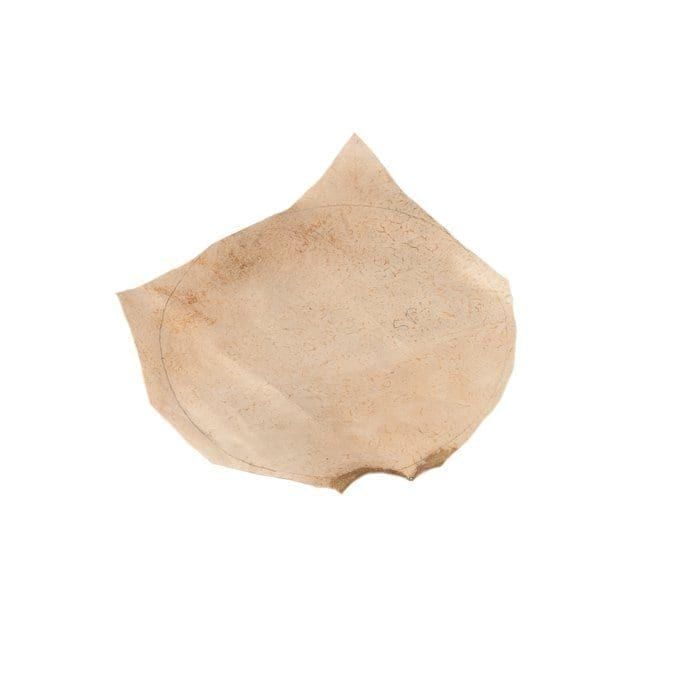
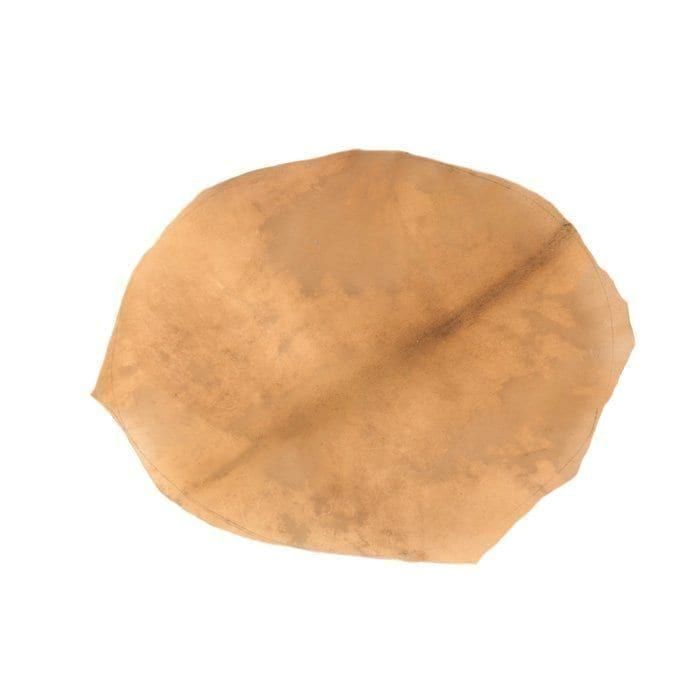
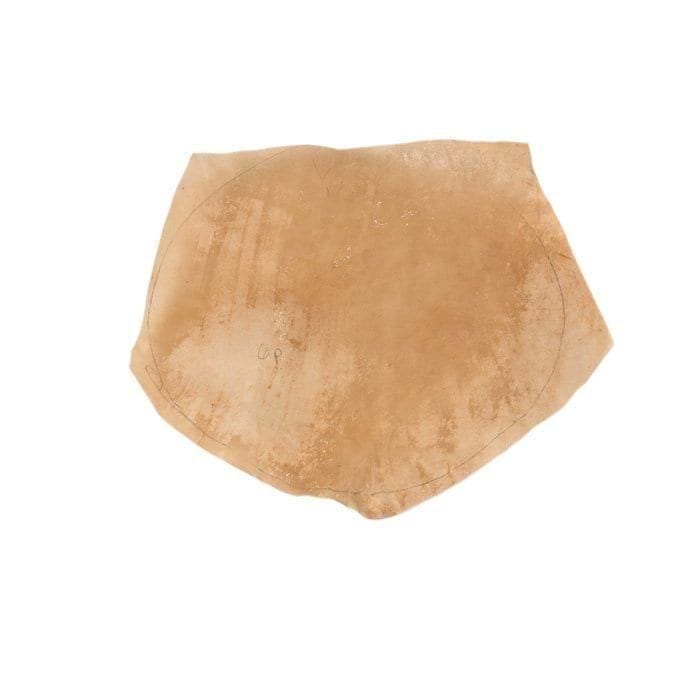
- Repair and care items, such as replacement djembe skins and rope
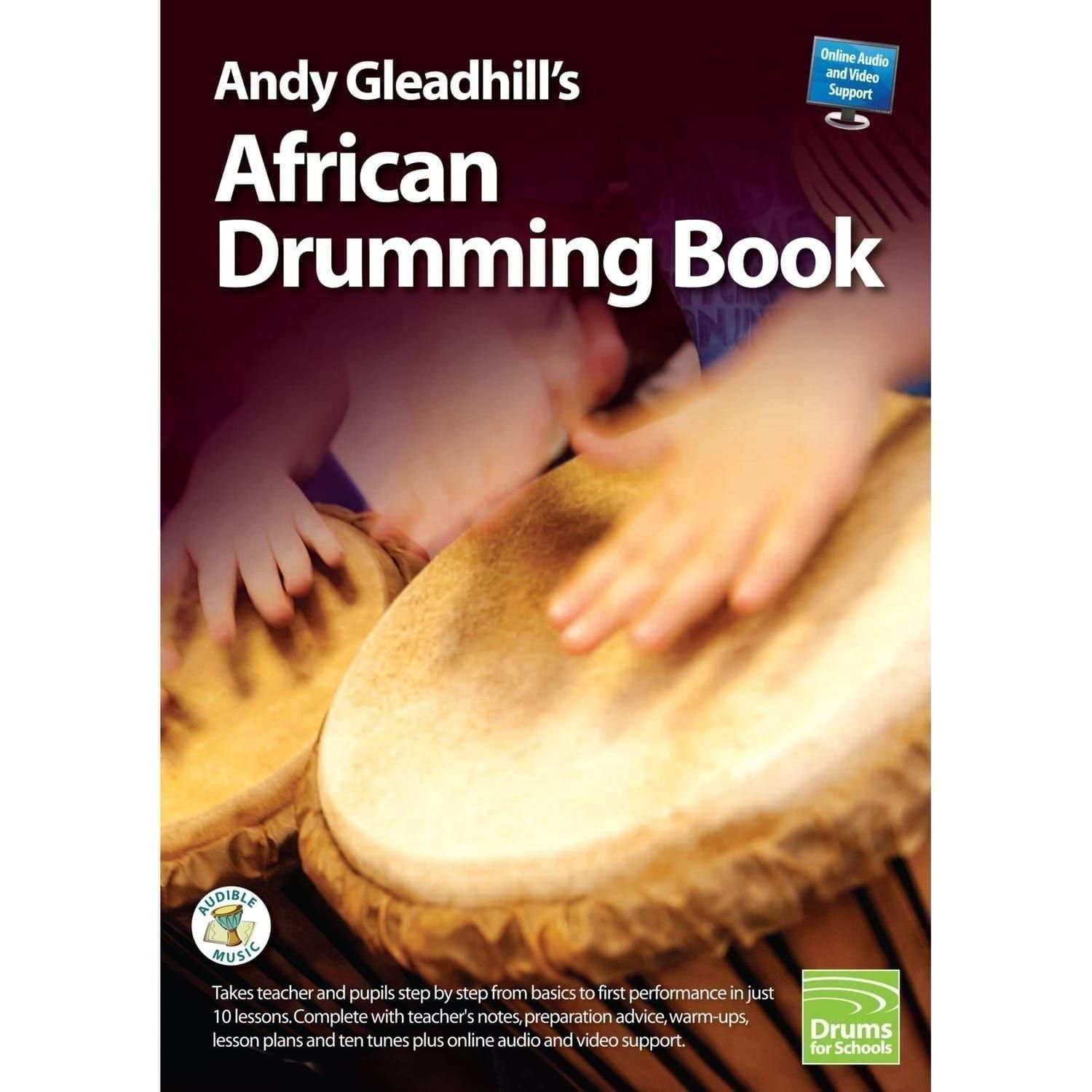
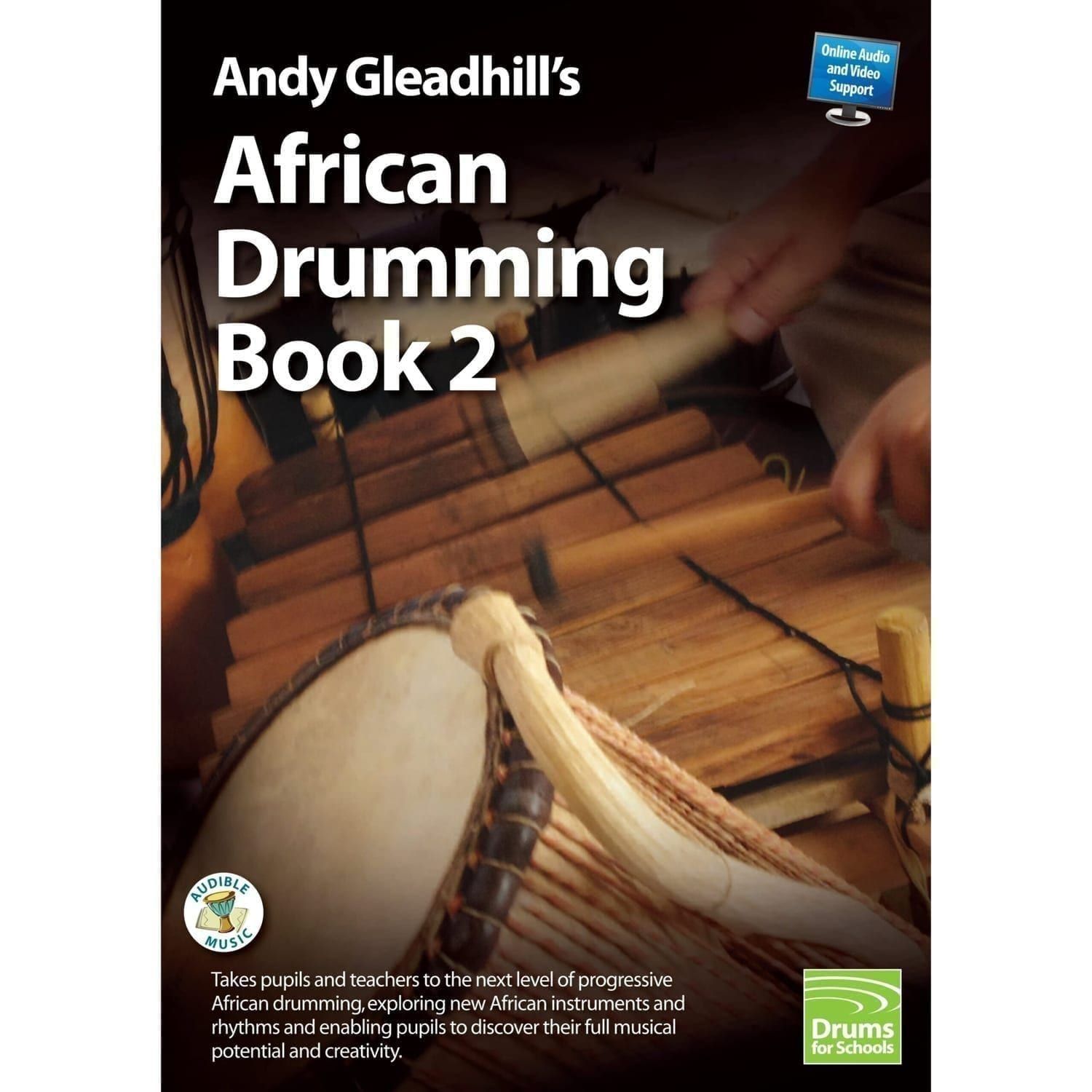
- Teaching support, including books, schemes of work, lesson plans, audio, and free video clips
- Multi-buy savings on key classroom and group-purchase options
Djembe Care: Tips for Longevity and Comfort
Djembes are durable instruments. However, regular care helps them perform better and last longer. It also protects your hands during frequent playing.
Use these simple tips to keep your drum in good condition.
Handle with care
Play the djembe with bare hands or light hand protection. Remove rings and jewellery. Rough contact can damage the drum skin.
Mind the environment
Keep your djembe away from extreme heat, cold, or humidity. Sudden changes can strain the skin and affect tuning.
Check regularly
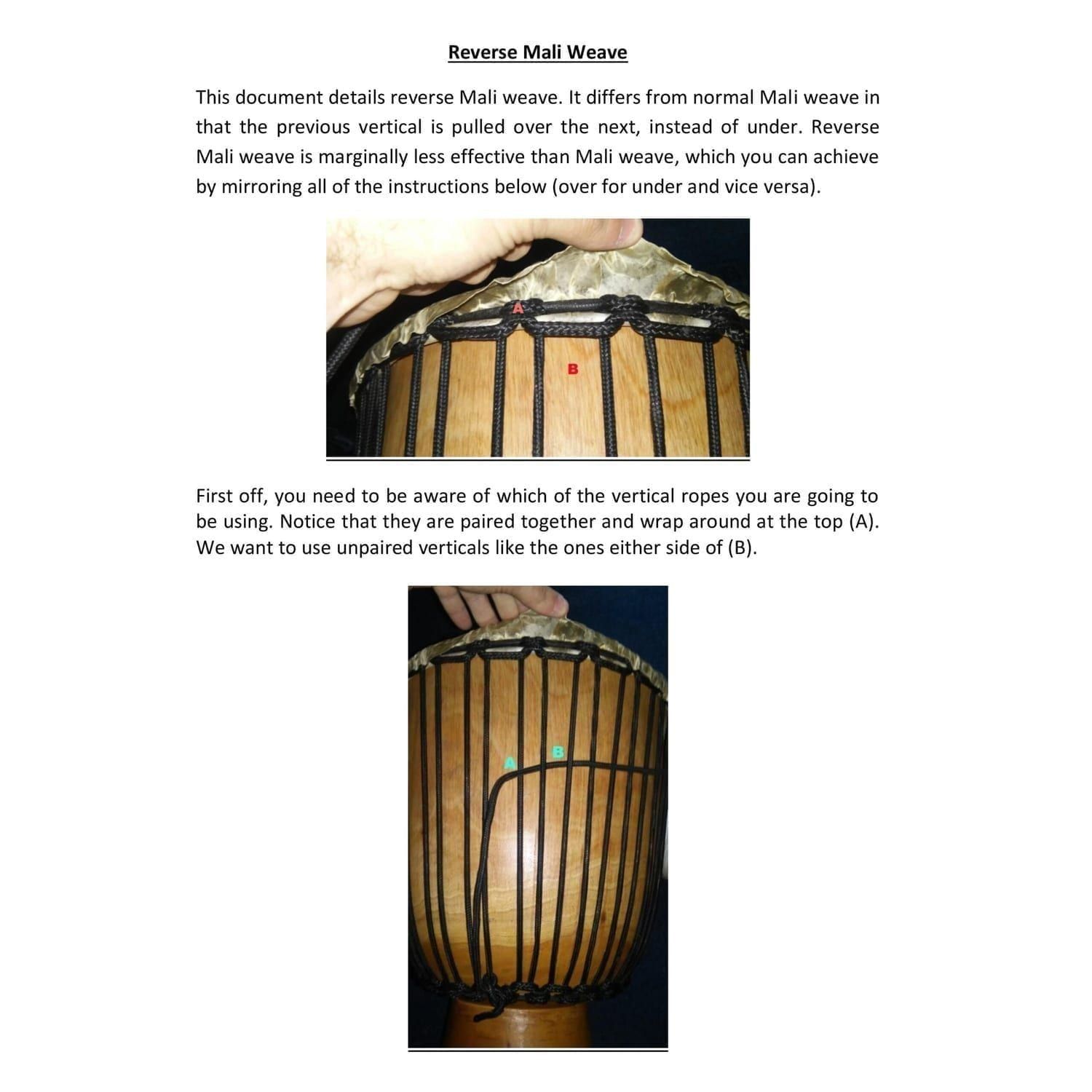
Inspect the drum from time to time. Look for wear around the skin and ropes. Adjust tension carefully when needed, following maintenance guidance.
Store properly
Place the djembe in a cool, dry space. Use a bag or cover to protect it from dust and knocks when not in use.
Look after your hands
Warm up before playing. Use correct technique. Take breaks to avoid fatigue or soreness.
For more detailed advice, explore our full djembe maintenance guide. It covers common issues and practical care tips for players at all levels.
Choose the Right Size (Schools Quick Guide)
- Early Years (3–6): 3"–6.5" – Light, easy for small hands.
- Primary (5–11): 8"–10" – Warm tone, manageable weight.
- Secondary & Adult: 10"–13"+ – Bigger volume, deeper bass, ideal for ensembles.
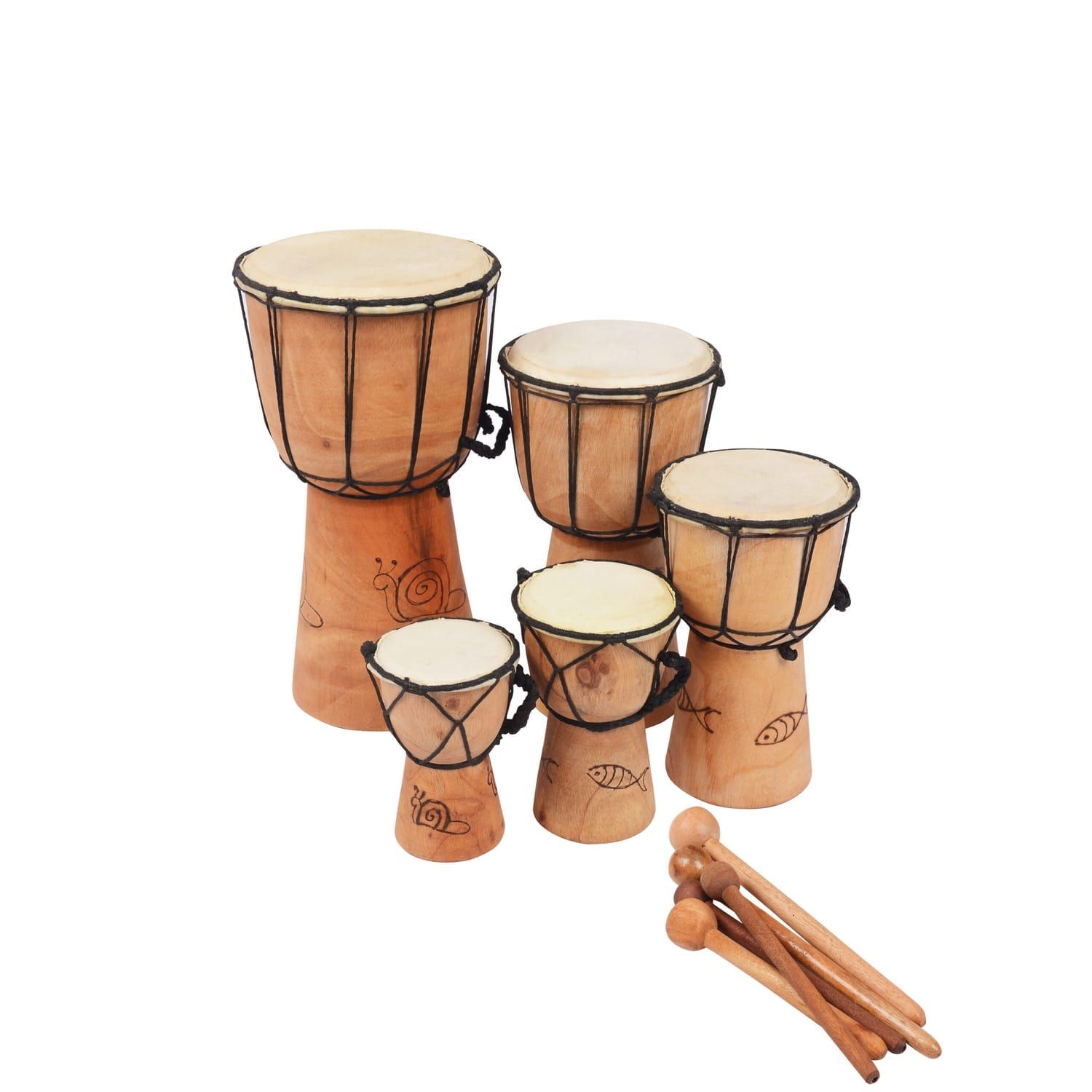
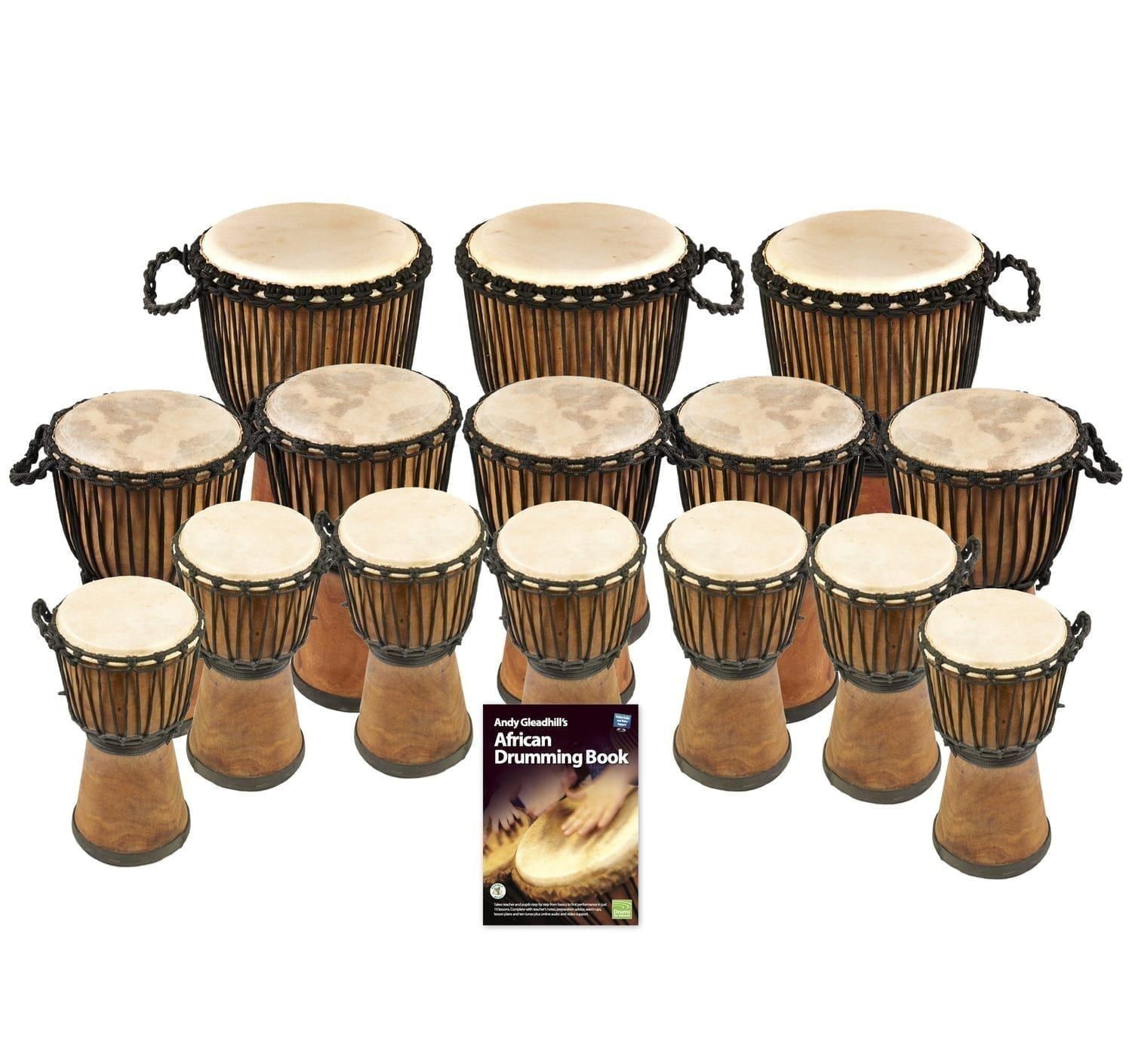
Tip for Group Sound: Mixing drum sizes creates a fuller, richer texture - bass, mid, and higher tones together.
Wooden vs Synthetic: Which Should You Choose?
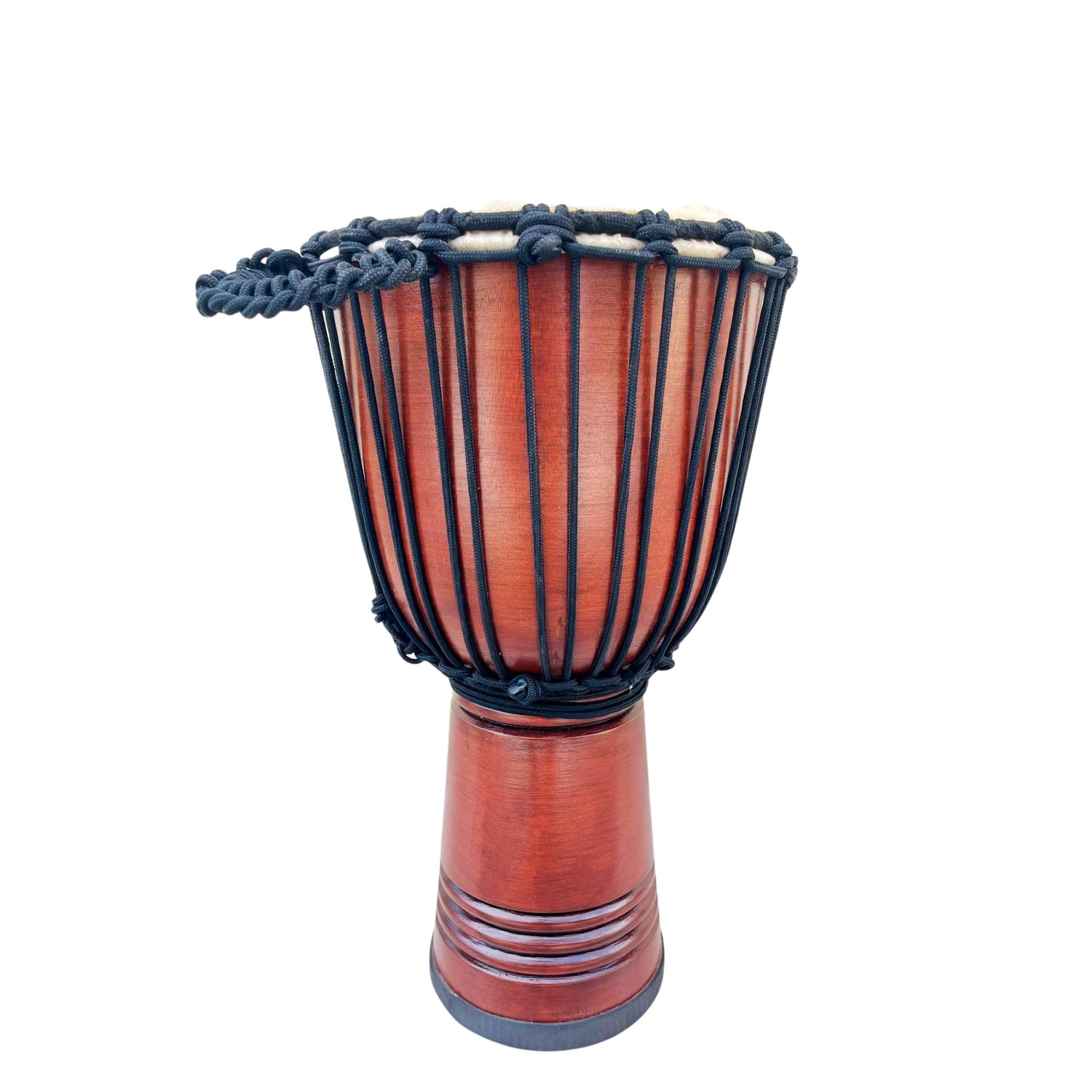
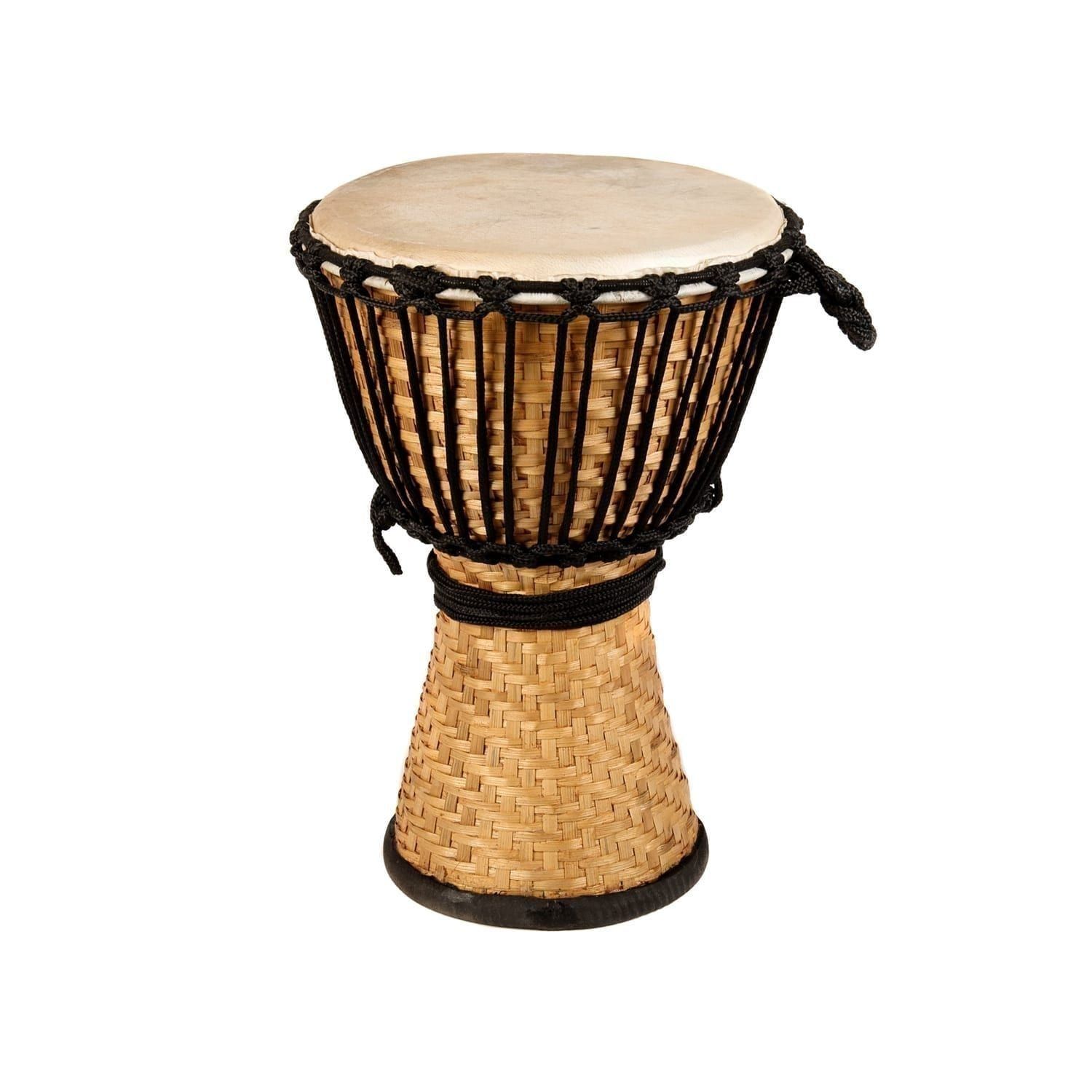
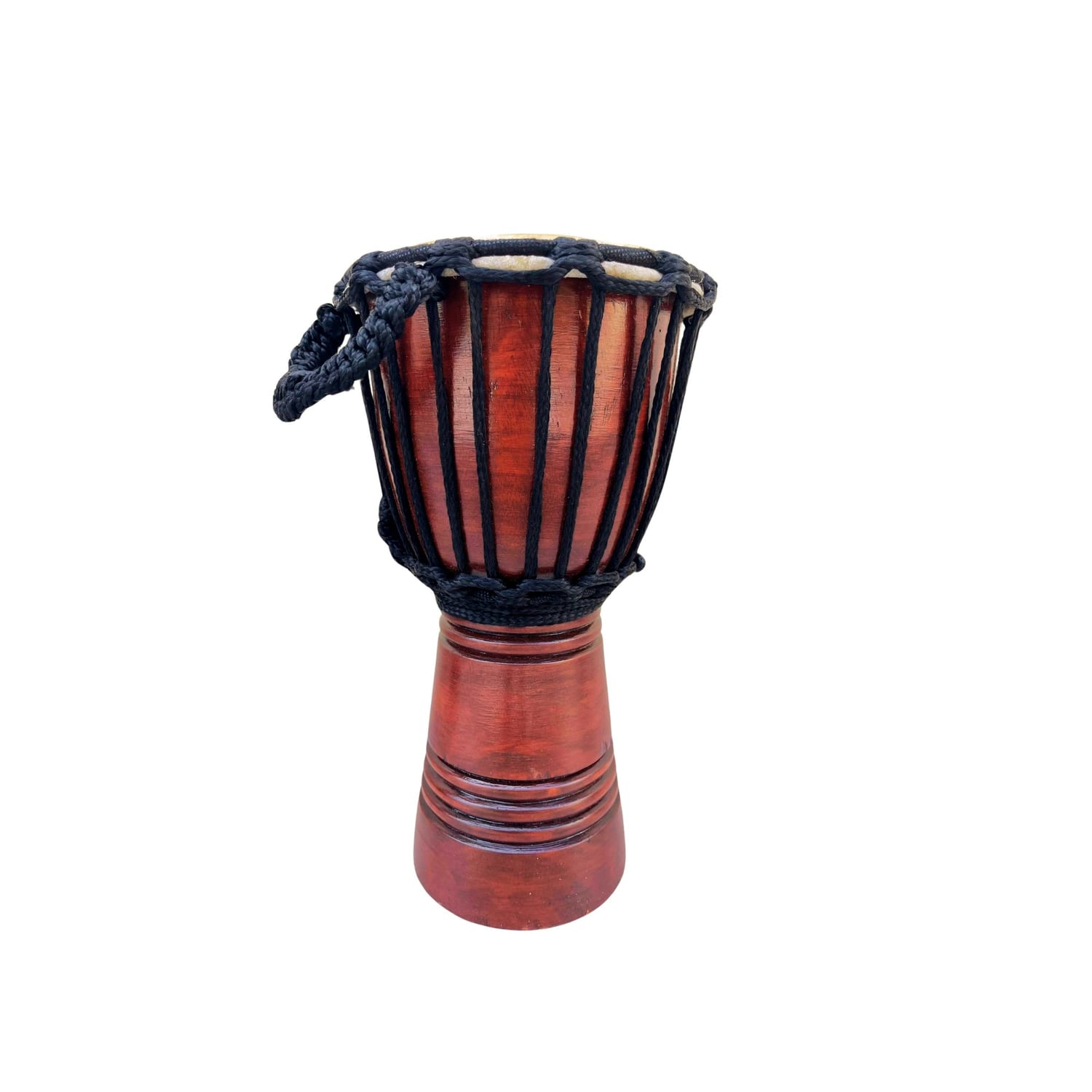
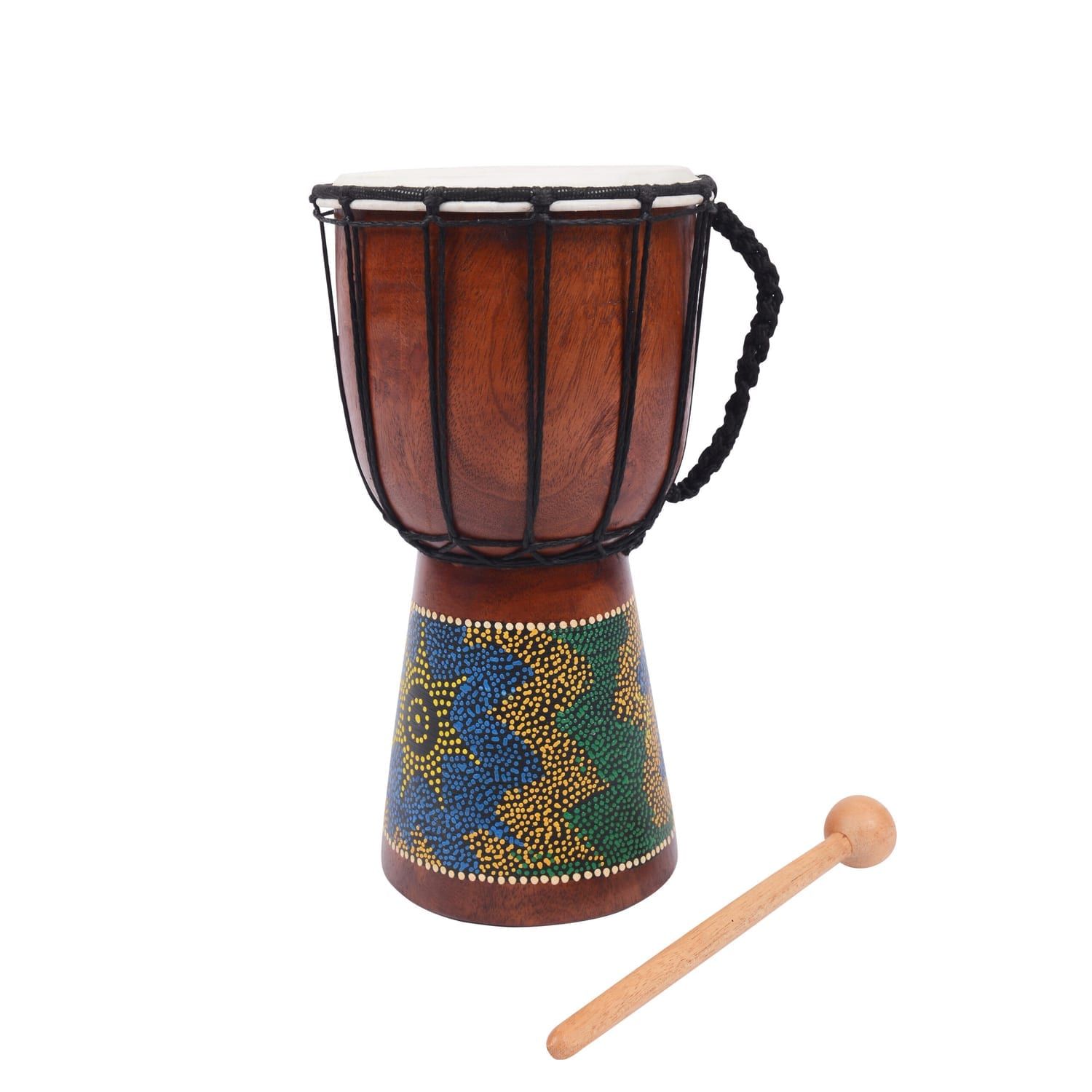
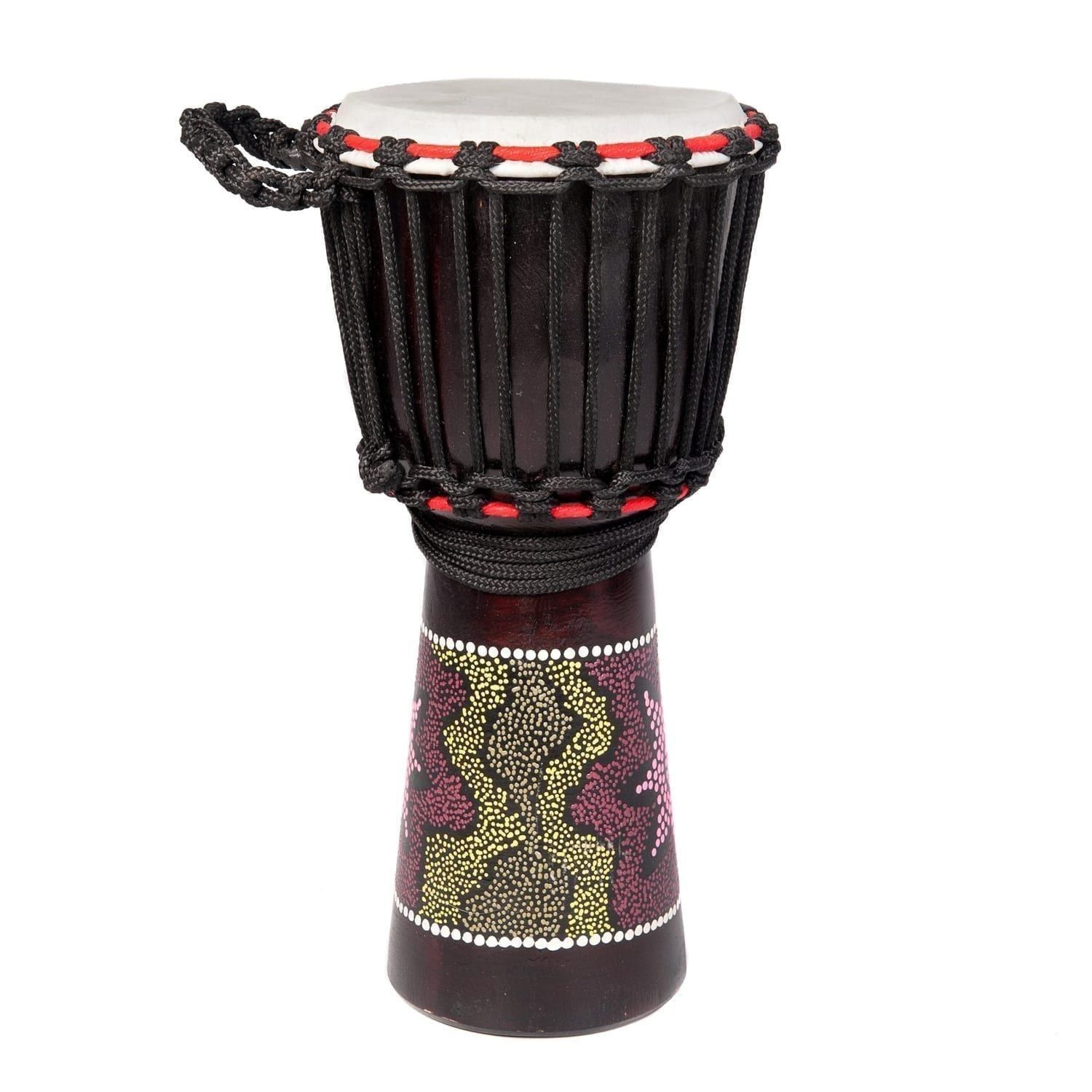
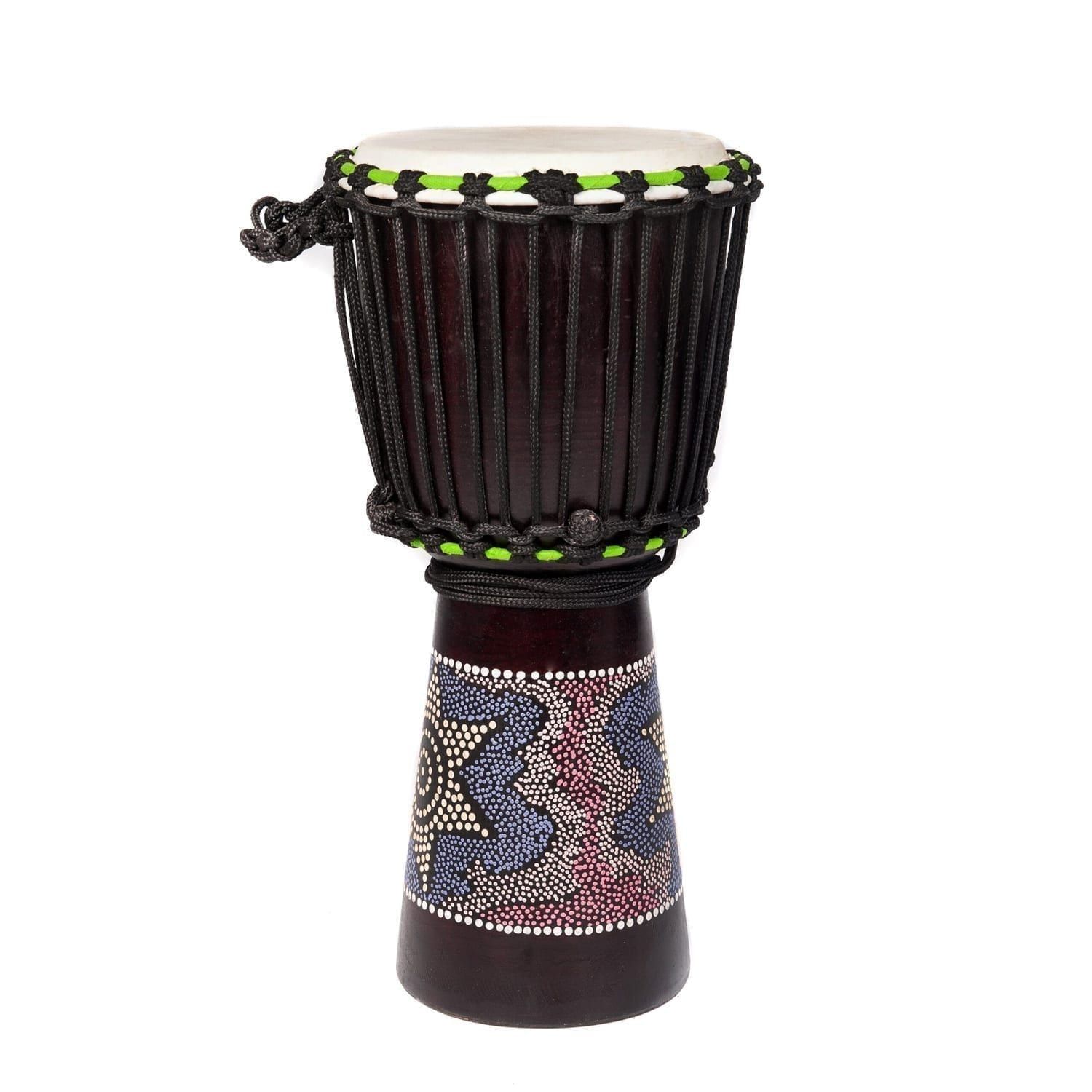
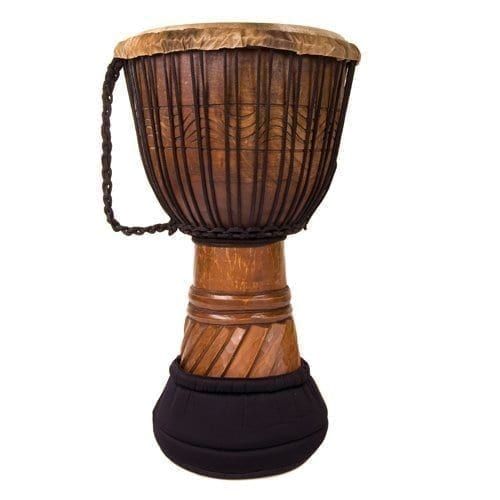
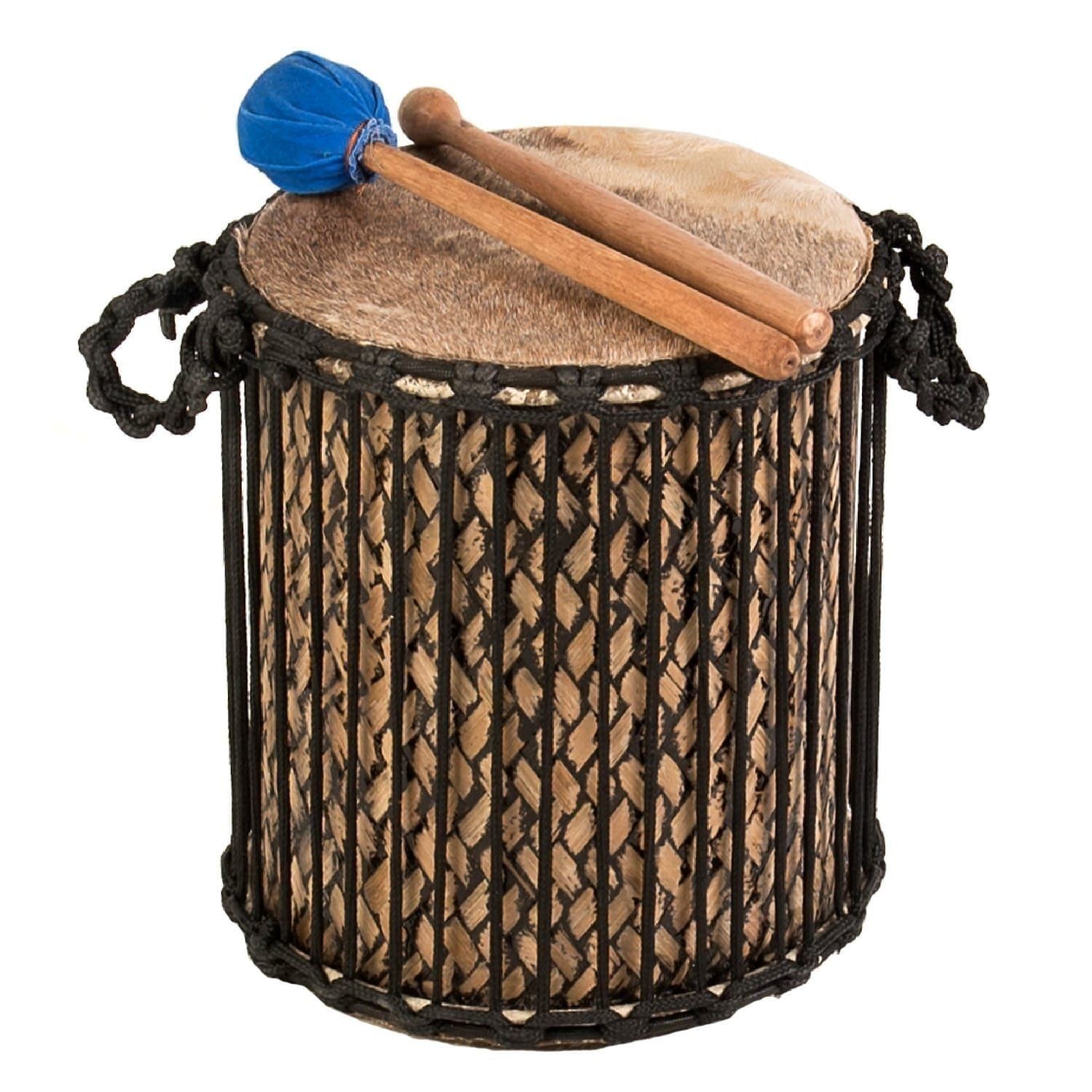
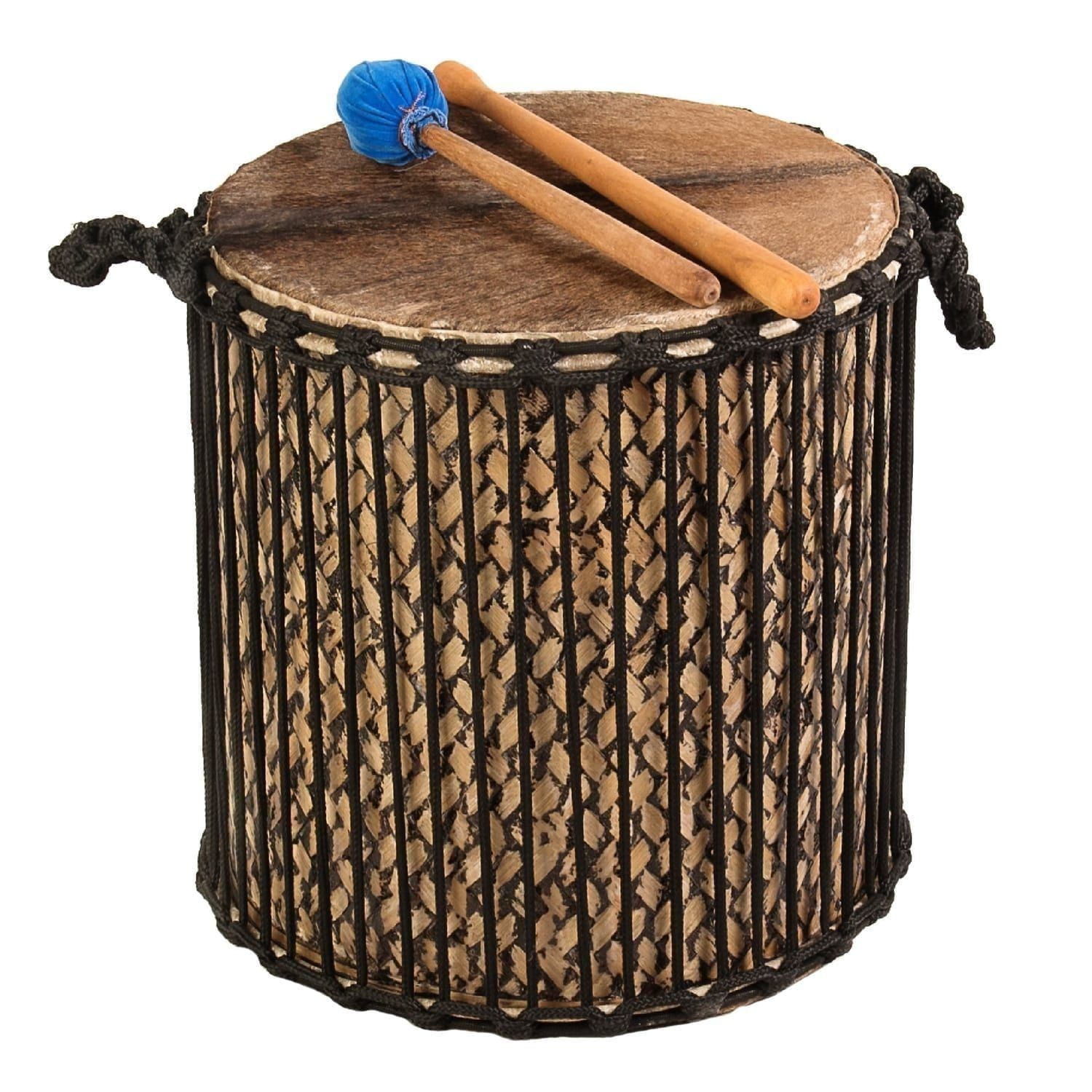
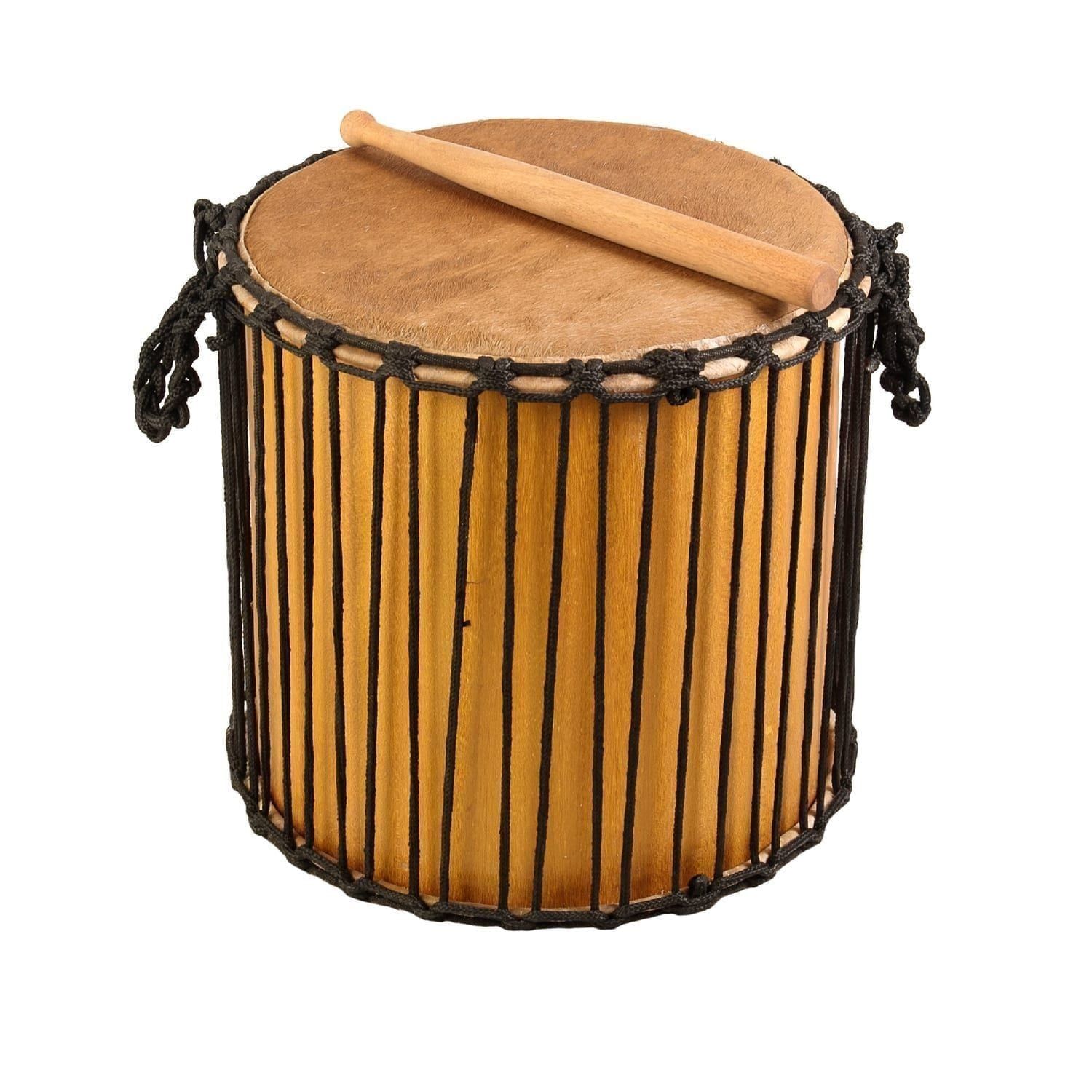
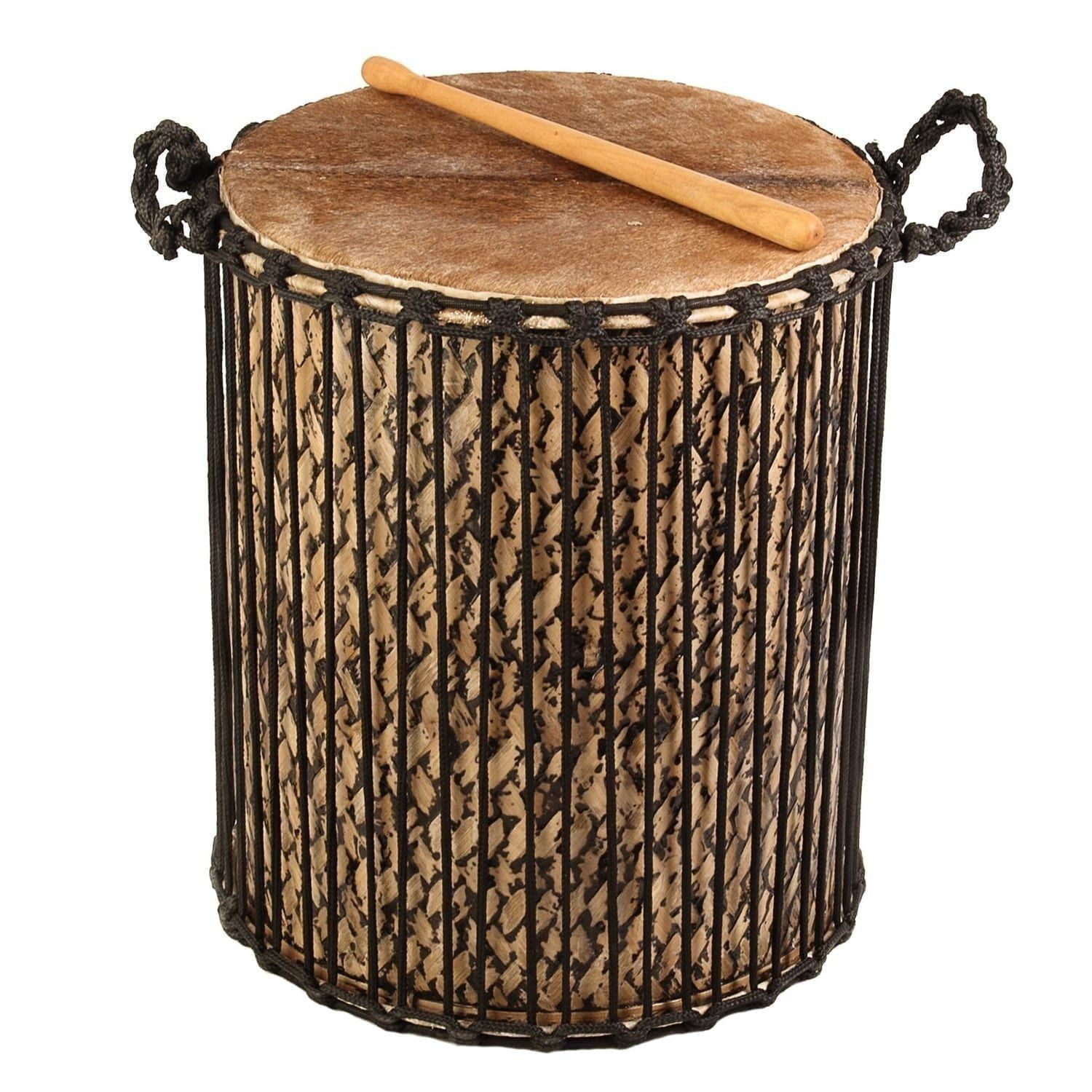
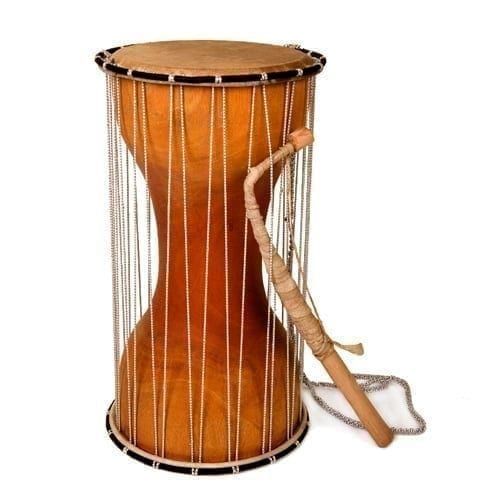
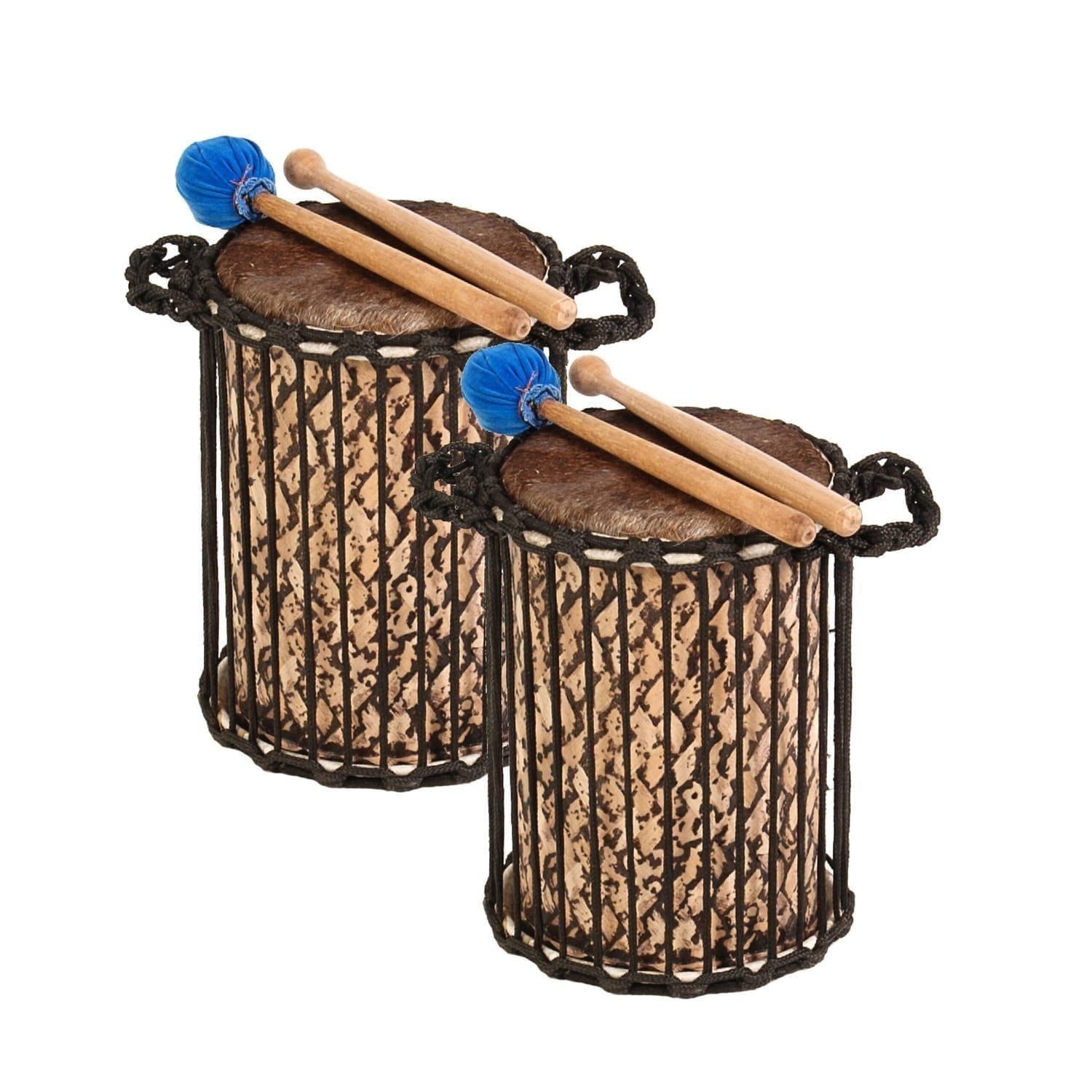
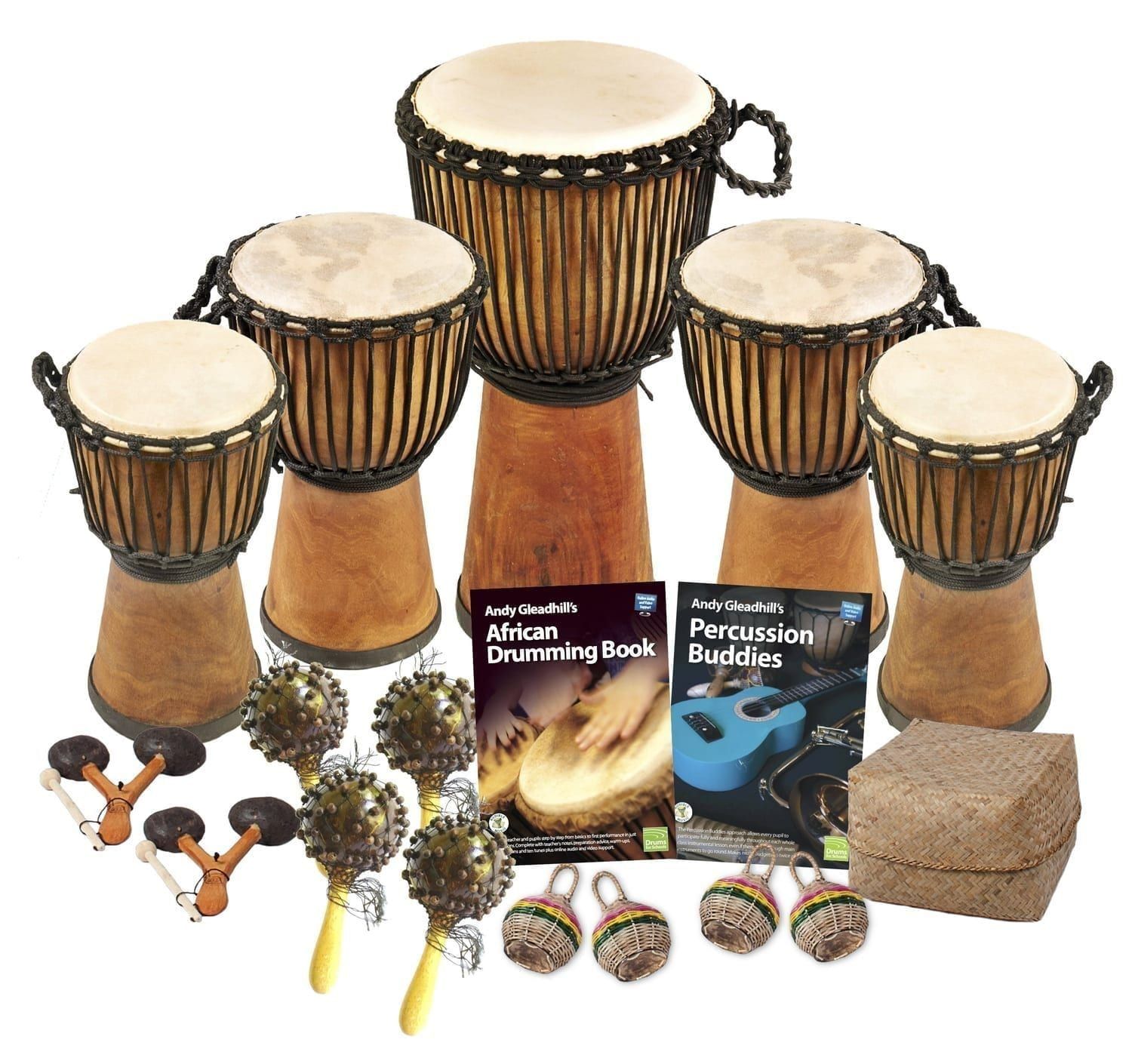
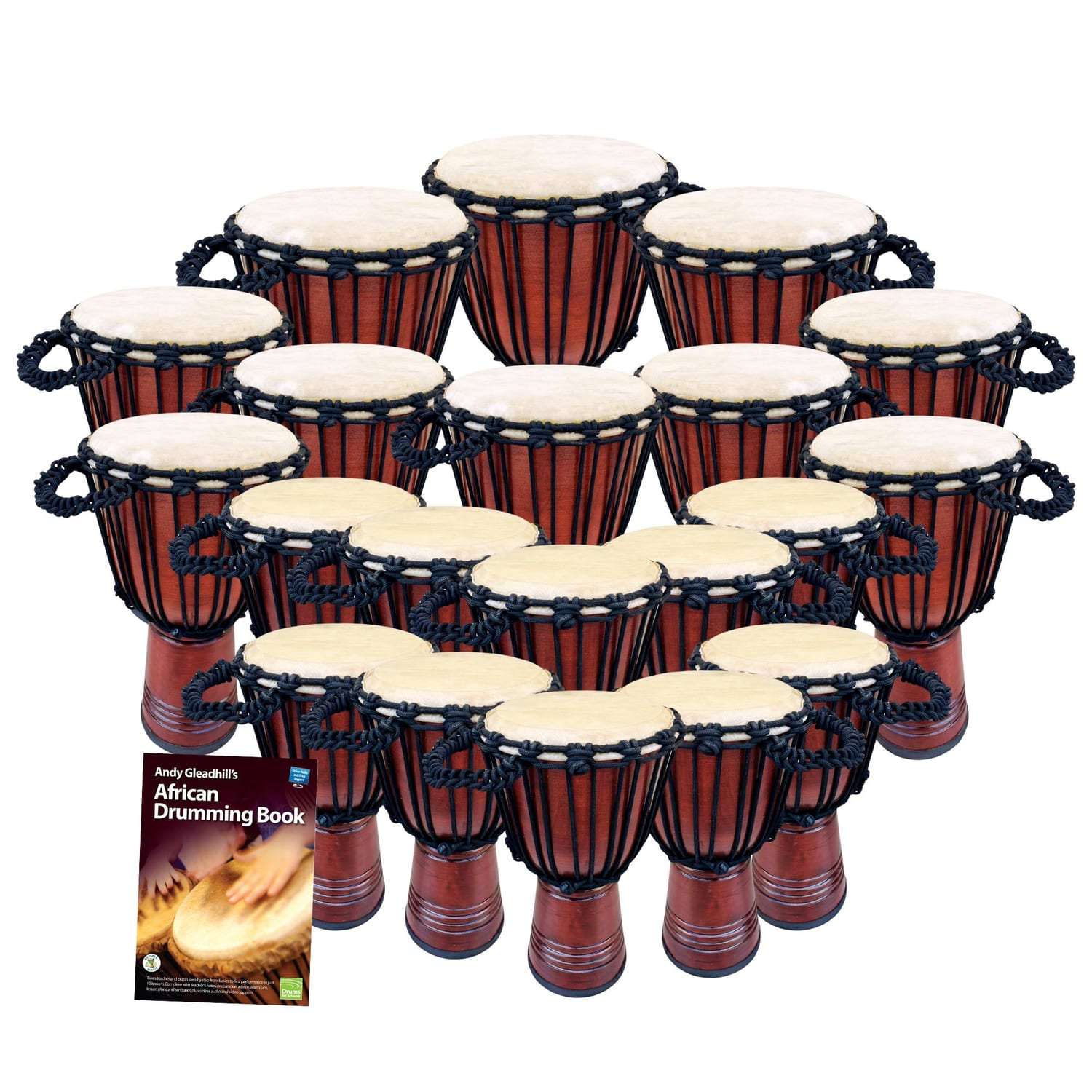
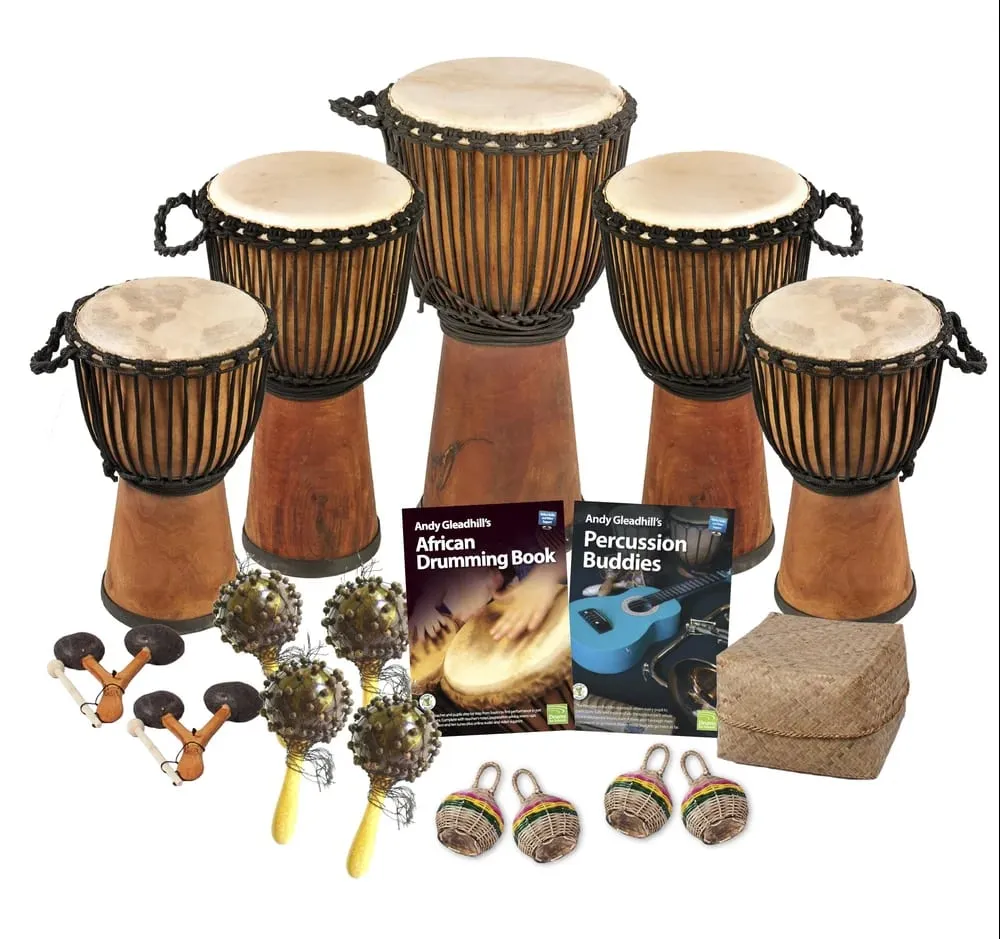
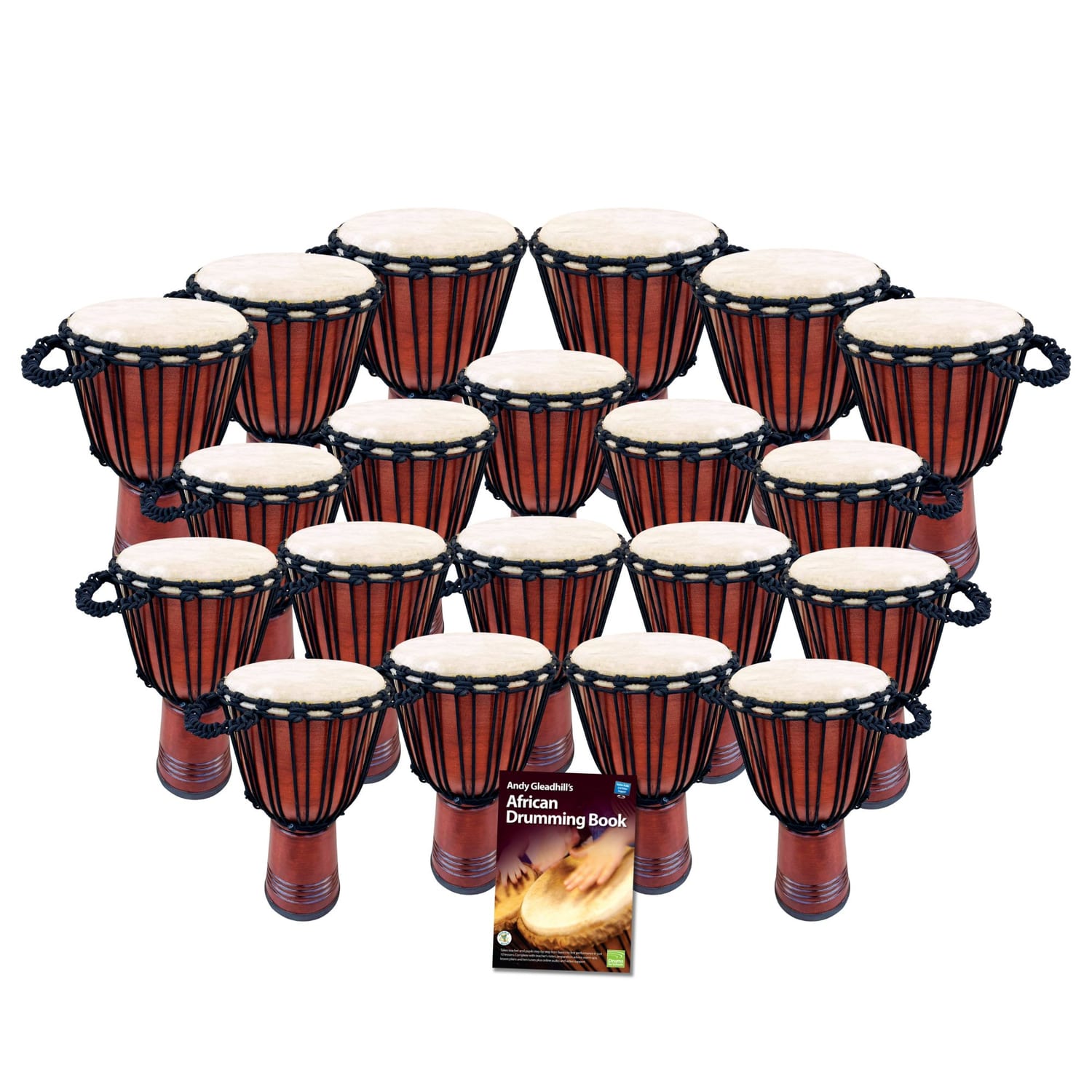
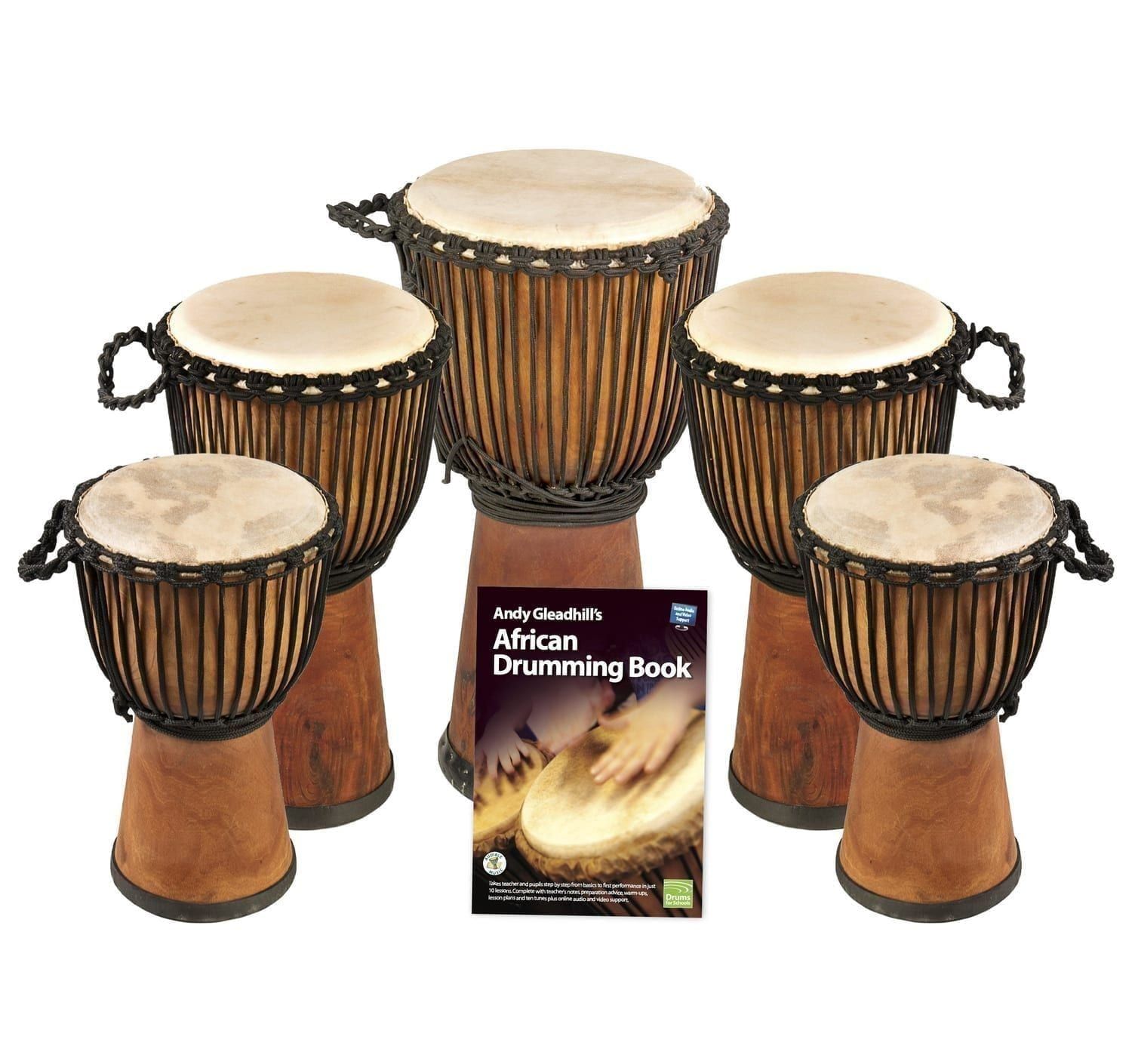
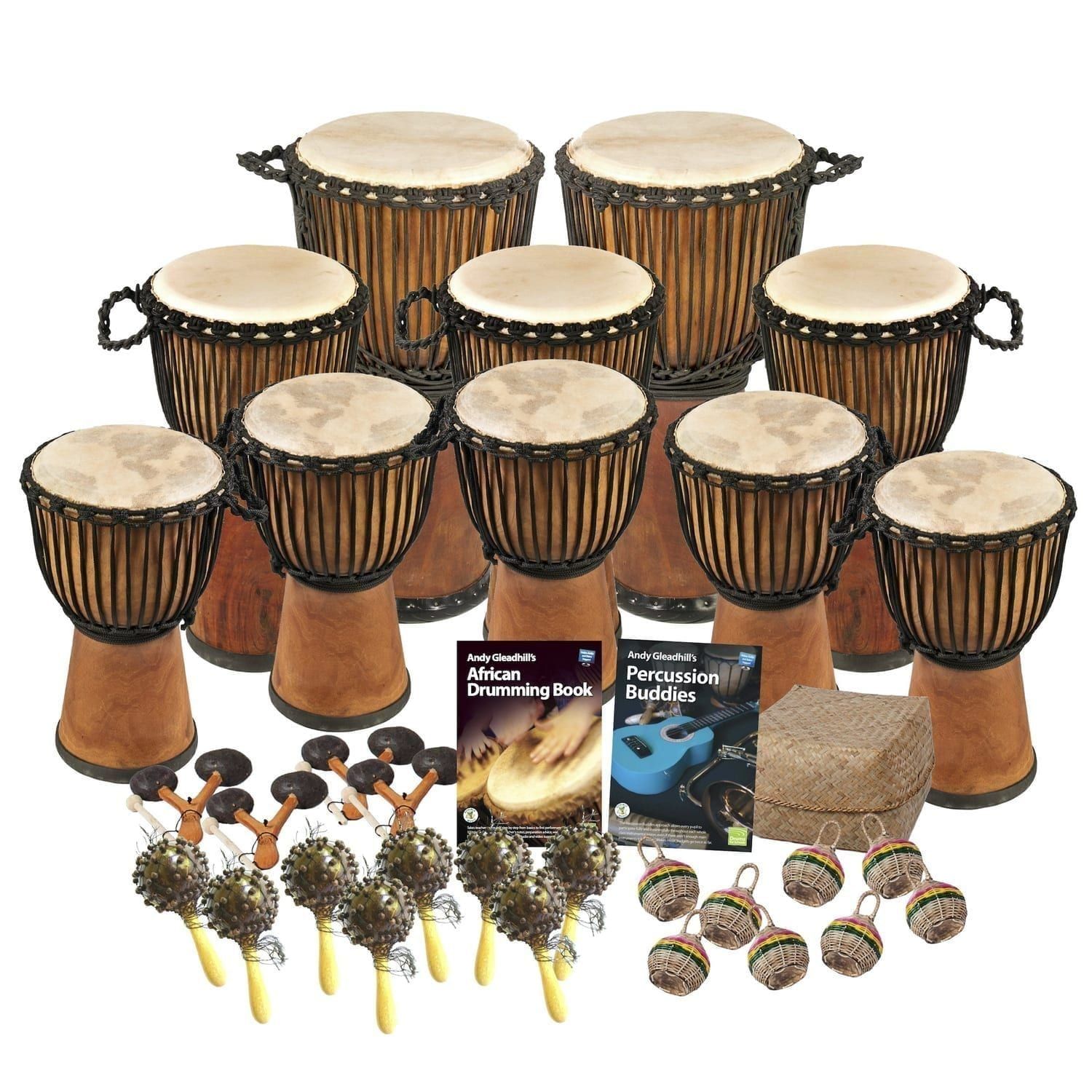
- Wood + Goatskin (Rope-Tuned): Offers the most traditional feel and rich resonance. Often features a carved shell with a natural head, delivering an authentic African djembe tone.
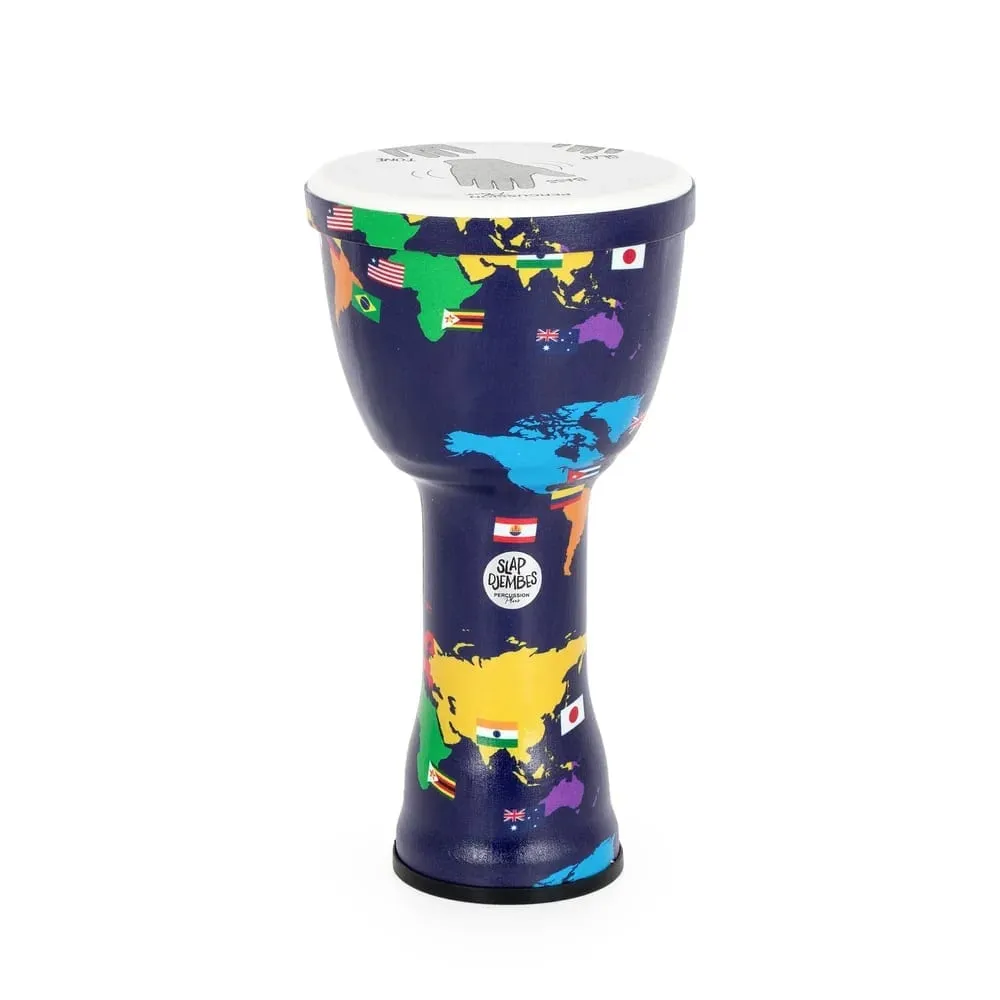
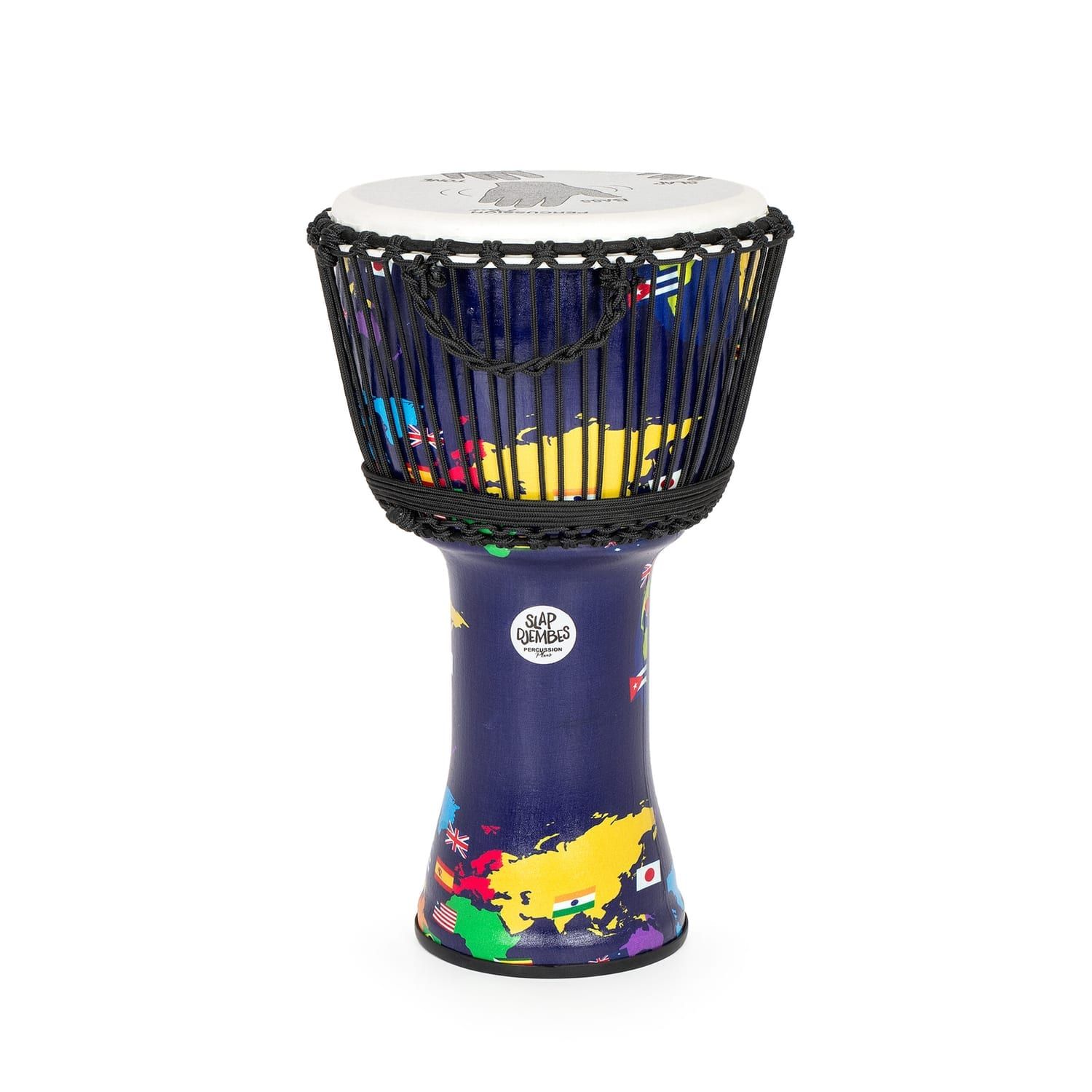
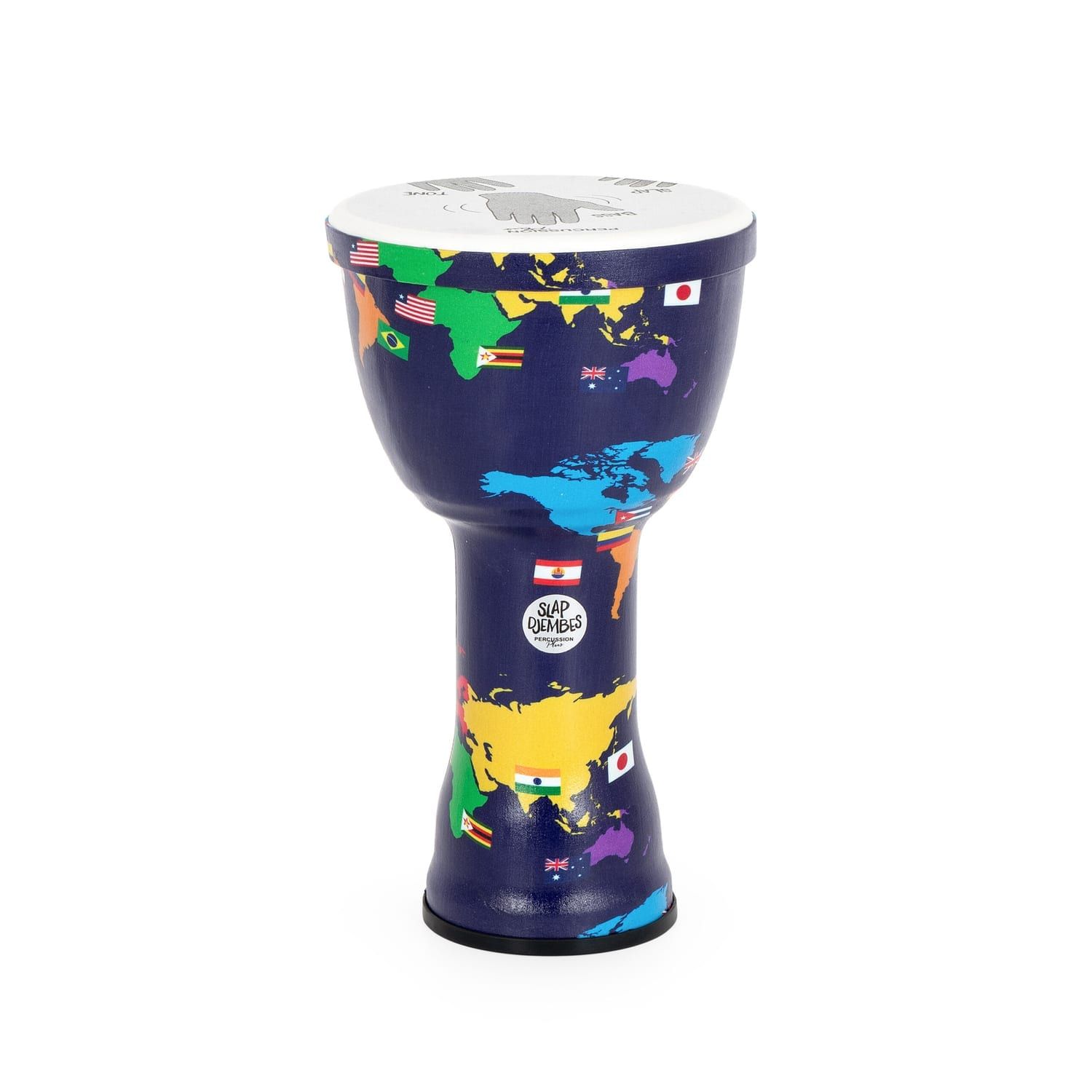
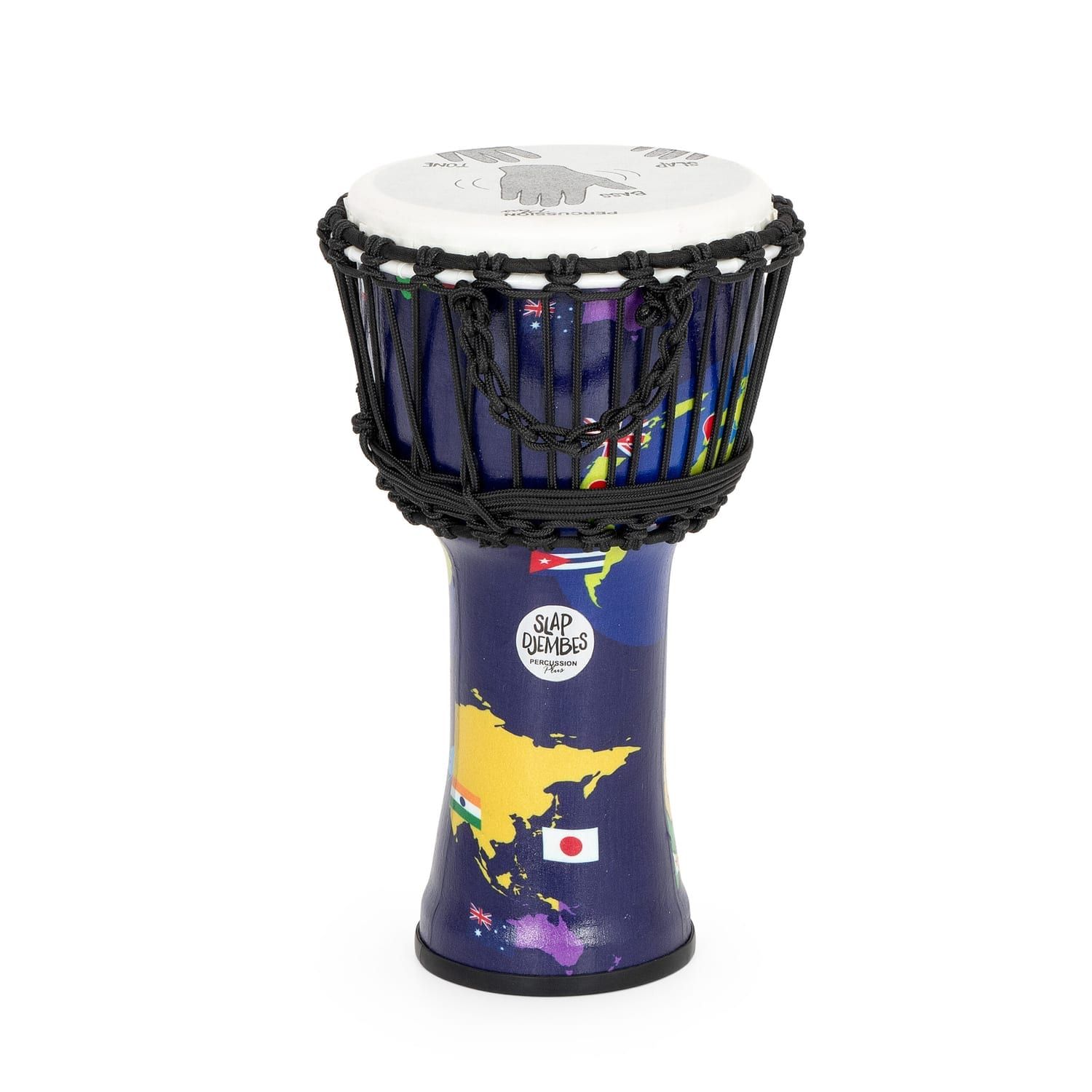
- Synthetic (Pre-Tuned or Rope-Tuned): Lightweight, durable, and consistent - perfect for frequent classroom use and transport. Many include printed guides for bass, tone, and slap.
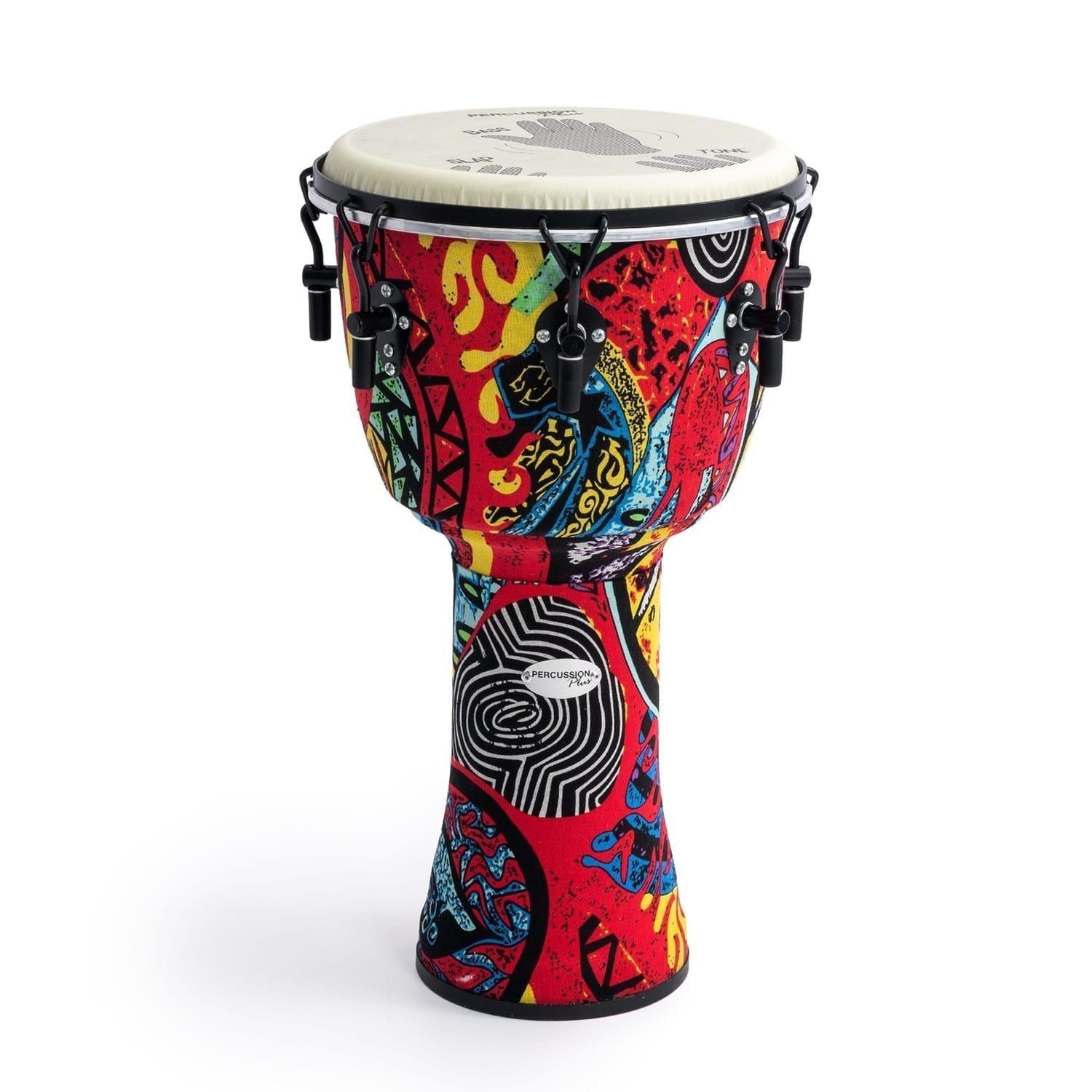
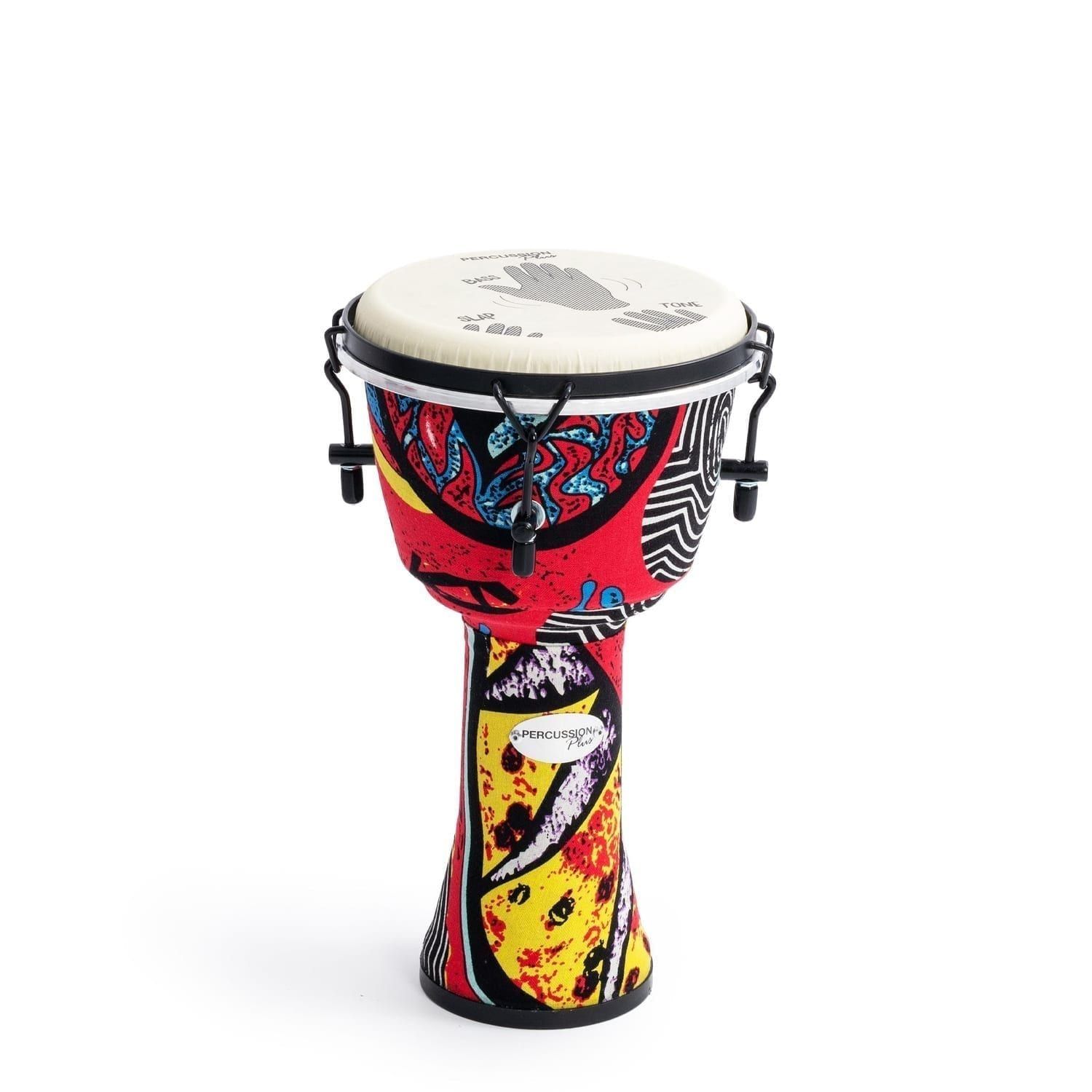
- Mechanically Tuned Synthetic: Easy tuning control with reliable consistency, ideal for group settings.
Everything You Need for West African Drumming
This collection provides all the essentials to create a complete West African drumming setup:
- Individual Drums: Choose the right size for specific age groups or learners.
- Group Kits & Classroom Bundles: Including djembe drum set options.
- Storage & Accessories: Drum bags, stands, and protective cases.
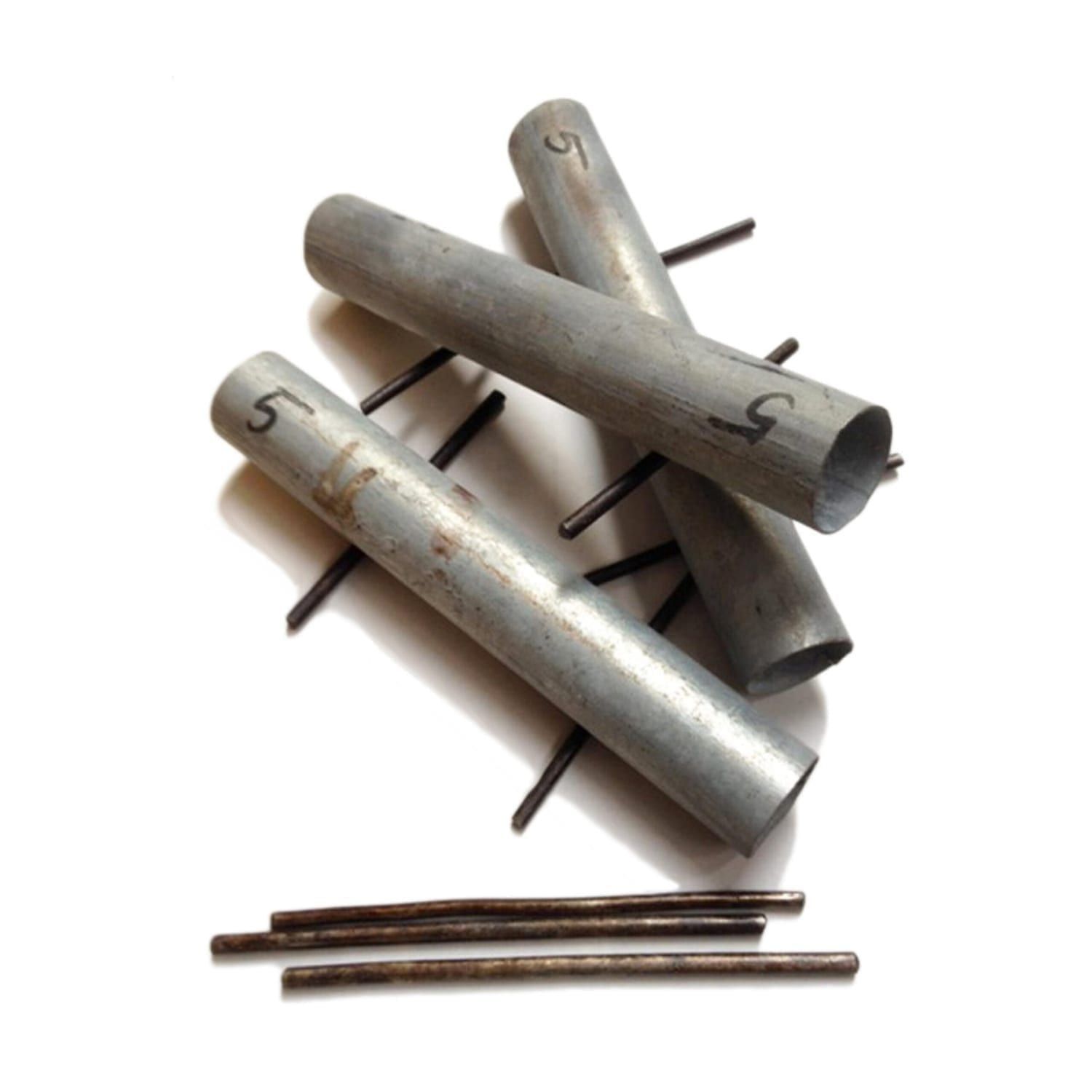
- Spare Parts: Keep your drums in top condition with djembe skins and maintenance tools.
- Teaching Resources: Lesson plans and support for all levels, from Early Years to Secondary.
If you’re looking for African djembe drums for education or community use, this collection brings everything together - instrument choice, classroom practicality, and teaching progression.
Still Not Sure Which Djembe or Set Is Right for You?
If you need help choosing the right djembe or set, our team can advise. We can help with drum sizes, suitable sets, and teaching resources. As a result, you can choose with confidence and focus on making music.
📞 Contact us at sales@drumsforschools.co.uk 📞 Call +44 (0)1159 314 513 📞 Use the online chat
Frequently Asked Questions
What’s special about the African djembe drum?
It produces three clear tones - bass, tone, and slap - allowing learners to build layered rhythms quickly in group settings.
Which country made the djembe?
The djembe originates from West Africa, with strong ties to Mandé cultures, particularly in Mali and Guinea.
Is the djembe hard to play?
Not at all! It’s easy to start, even for children. The key skill is mastering the clean bass–tone–slap technique with relaxed hands. Choosing the right size and using classroom-ready models helps learners progress faster.
What are the three main types of djembe you’ll see when buying for schools?
- Rope-Tuned Wood + Goatskin Models
- Synthetic Djembes (often pre-tuned or rope-tuned)
- Mechanically Tuned Synthetic Djembes
