
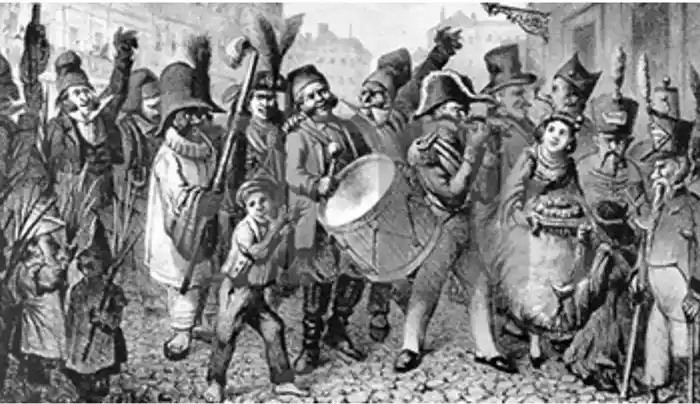
The history of samba music begins in late-19th-century Rio de Janeiro, Brazil, when Afro-Brazilian communities mixed West African drumming, Portuguese marching-band music and local South American folk songs into a new dance style that became the sound of Carnival and a symbol of Afro-Brazilian identity.
History of samba music is closely tied to the Atlantic slave trade, African religions and the mixing of African, Indigenous South American folk music and Portuguese culture. Together these influences shaped Brazilian samba music, from its early street parties in Rio de Janeiro to its modern role as the national music of Brazil.
In this article we answer common classroom questions such as where did samba music originate, who founded samba music, who was the founder of samba and what are some fun facts about samba music, while tracing the main stages of samba origin and development.
You’ll learn about:
- Samba and the slave trade – how forced migration shaped early samba music history
- Samba and religion – the role of Candomblé, Catholicism and other beliefs
- Samba and its musical influences – African rhythms, Portuguese marches and local South American folk songs
- Samba instruments – key samba music instruments and their roles in a samba band
- Samba and Carnival – how Brazilian samba became the sound of Carnival parades
- Samba in the modern world – how Brazilian samba music is played today in schools and community bands around the world
Samba and the Slave Trade
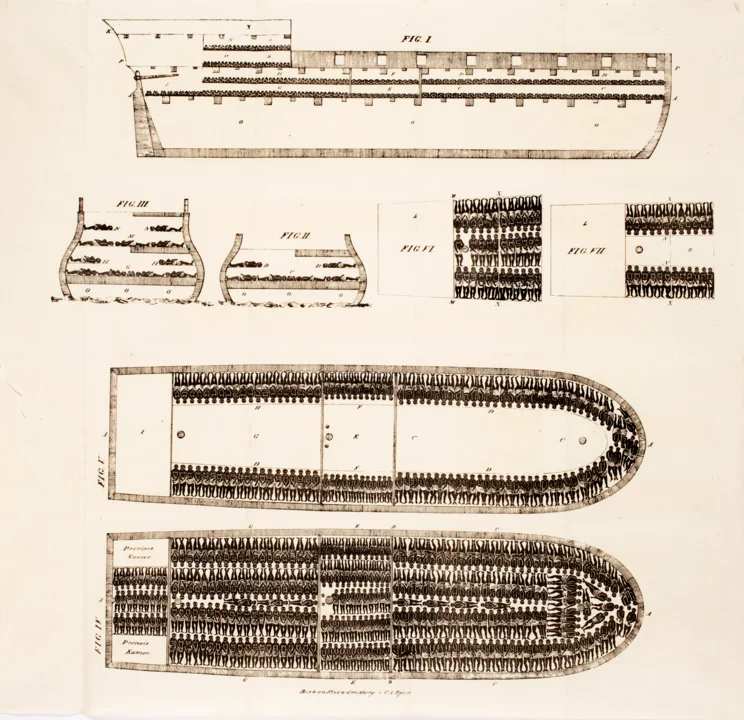
The story of samba music history begins with the Atlantic slave trade. Slavery in Brazil started in 1526 and lasted until 1888. During this period the Portuguese, followed by the British and Spanish, became the largest slave traders in the world. Historians estimate that around six million Africans were forcibly taken to Brazil – about 40% of all Africans brought to the Americas, compared with roughly 10% taken to the USA. Today Brazil has a larger African-descended population than many African countries, and this heritage is central to Brazilian samba music history.
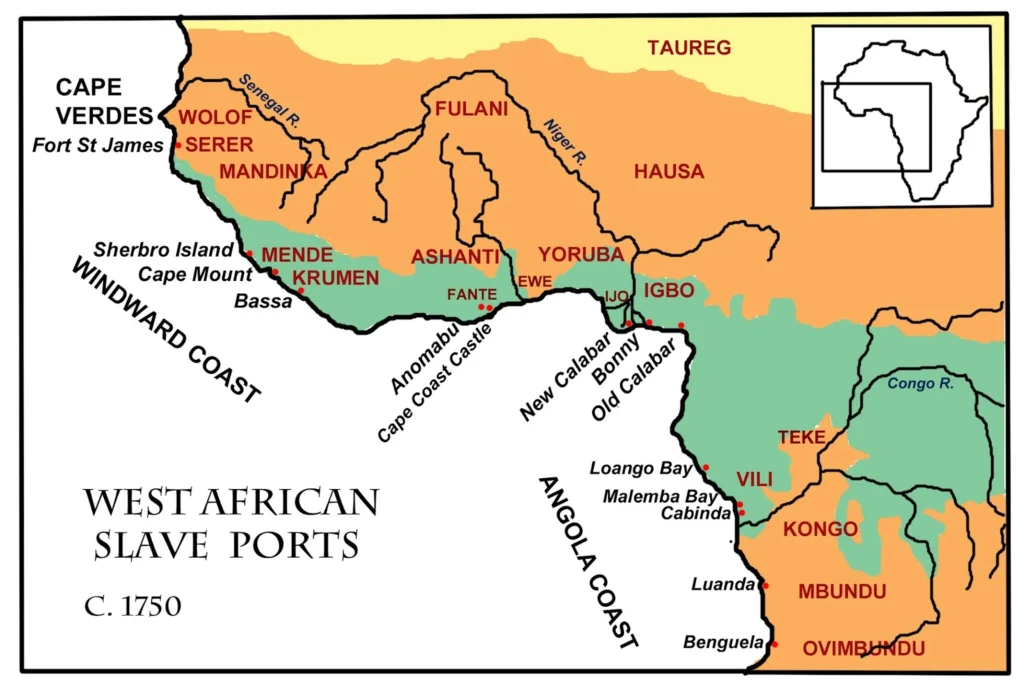
Enslaved Africans came from many different regions and cultures, which later shaped the samba origin and sound:
- from West Africa in the late 1500s
- from Angola in the 1600s
- from the Gold Coast (modern Ghana) between about 1700 and 1770
- from Nigeria and Benin from 1770 until the 1850s
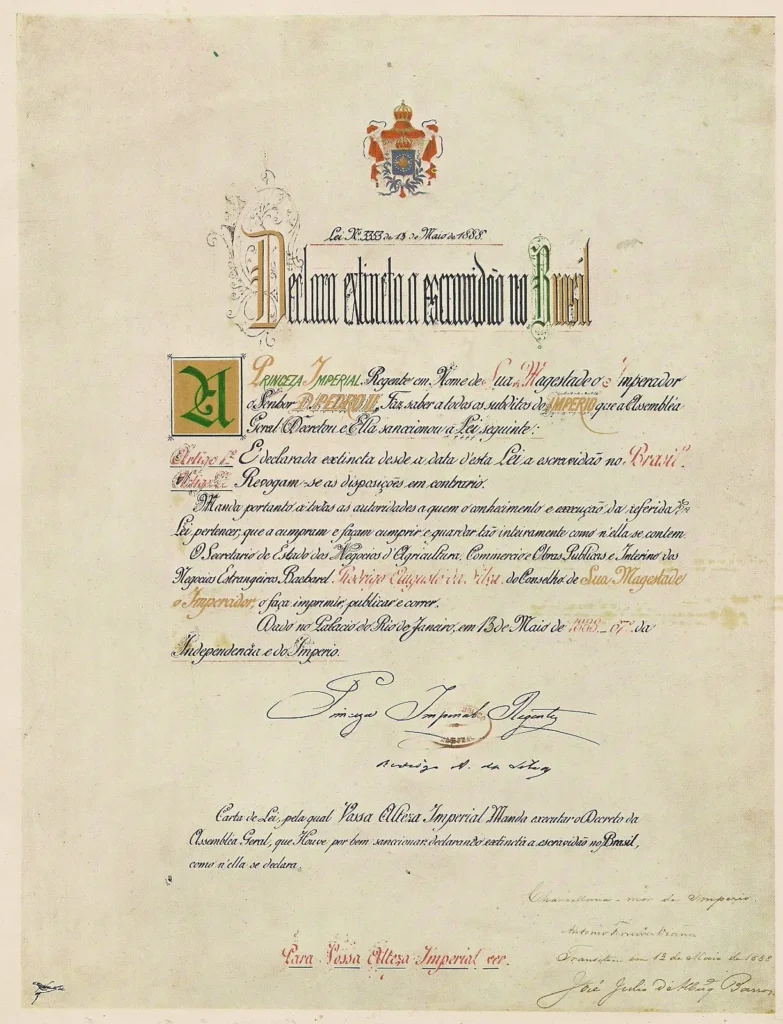
Brazil was the last Western nation to abolish slavery. On 13 May 1888 Princess Isabel signed Imperial Law 3,353 – the “Golden Law” – which simply declared slavery extinct in Brazil. Soon afterwards the monarchy was overthrown and Brazil became a republic. However, after abolition there was no real support to help former slaves build independent lives, so Brazil remained a very unequal society, with inequality strongly linked to race.

Protest against this injustice is still heard in Brazilian popular music, including samba music. One famous example is the Mangueira samba school’s theme for the 1988 Rio Carnival, marking 100 years since abolition: “One Hundred Years of Freedom: Reality or Illusion?” The song suggests that the old slave plantations have been replaced by the modern favelas (shanty-town slums) where many Afro-Brazilians live today – a powerful reminder that the history of samba music is also a history of resistance.
For much more information see this Wikipedia article on The Atlantic Slave Trade
Samba and Religion
The history of samba music is also a history of religion. Brazil’s enslaved Africans brought many different belief systems with them. The two strongest influences were the Yoruba and Fon peoples of Nigeria and Benin (formerly Dahomey), whose traditions shape the Afro-Brazilian religion Candomblé, and Bantu peoples from the Kongo–Angola region, whose culture helped give rise to Capoeira and to Brazilian samba music itself. Ewe and Ashanti groups were also represented in Brazil, as were Muslim communities such as the Tapas, Mandingos, Fula and Hausa from the Gold Coast, Nigeria and neighbouring areas.
During more than 350 years of slavery these Africans were forbidden to practise their traditional religions. Plantation owners feared that religious gatherings might encourage rebellion, and Portuguese colonists wanted enslaved people to convert to Catholic Christianity instead.
However, people found ways to protect their beliefs. They began to weave their rituals into everyday activities such as song, dance and samba music, quietly shaping what we now recognise as Brazilian samba. African deities were “hidden” behind Catholic saints so that worship could continue in secret. Over time, this blending of African religion and Catholicism became a key part of Afro-Brazilian culture and of samba music history.
Samba Music History: Rhythm, Dance and Musical Influences
The Music
The sound of samba music is instantly recognisable. In most styles of Brazilian samba music you hear a steady “walking pace” pulse, usually in 2/4 time, with two strong beats in each bar and accents on the off-beats, often compared to a heartbeat. Some patterns use a clave-style rhythm, which helps students feel how different samba instruments lock together.
The word “samba” probably comes from the Angolan term “semba”, a traditional African dance in which a man performed in front of a woman and then pulled her towards him sharply at the moment of the “shock” (semba). Over time, semba developed into both modern samba dance and the Angolan kizomba style, showing how African dance traditions are woven into samba music history.
Although its roots go back further, Brazilian samba came to national prominence in the early 1930s, when large samba bands and marching groups began leading Carnival parades in Rio de Janeiro. From this point on, samba music became the driving sound of Carnival and a powerful way to express Afro-Brazilian culture on the streets.

Key Rhythmic Features of Samba Music
- Strong 2/4 or 4/4 pulse – two clear beats in each bar, often at a fast “walking” or marching speed.
- Layered drum patterns – different samba percussion instruments (surdos, caixas, tamborim, shakers) play contrasting rhythms that interlock.
- Off-beat accents – many features of samba music come from stressing the “and” between the main beats, creating a syncopated feel.
- Call-and-response – singers often swap short phrases with the chorus or with the drums, a key element of traditional samba music.
What are the Main Musical Influences on Samba Music?
One reason samba music history is so rich is that Brazilian samba music blends elements from three main sources: Indigenous South American folk music, African ceremonial music and Portuguese military band traditions. Together they shaped the rhythms, melodies and samba instruments we recognise today.
Indigenous South American Folk Music
As samba developed in Brazil, it naturally absorbed ideas from the traditional South American folk music of Indigenous peoples, including Amazonian tribes. Early village music often used simple log drums and frame drums playing repetitive drum patterns, very similar to the ostinatos heard in modern samba music. These rhythms were usually combined with unison singing and melodies on wooden flutes – a clear ancestor of the strong, chant-like vocals we hear in today’s Brazilian samba.
African Music
The strongest rhythmic influences on samba music came from Africa. In many West and Central African societies, drumming accompanied traditional dances at ceremonies such as coming-of-age rituals and religious festivals. These layered drum patterns, call-and-response songs and circle dances travelled to Brazil with enslaved Africans and became a core part of Brazilian samba music history, especially in Afro-Brazilian religions and community celebrations.
Portuguese Military Band Music
Samba also borrowed ideas from European music. Portuguese military bands brought march-like rhythms, brass melodies and the sharp crack of the snare drum. When these marching-band patterns were mixed with African and South American folk music rhythms they helped make early samba bands sound more “respectable” in the eyes of authorities. The straight marching feel underpins many classic Carnival grooves.
Samba Instruments – A Mix of Cultures
In the same way, samba instruments come from different cultural roots and evolved into the modern samba band instruments used in schools and Carnival today:
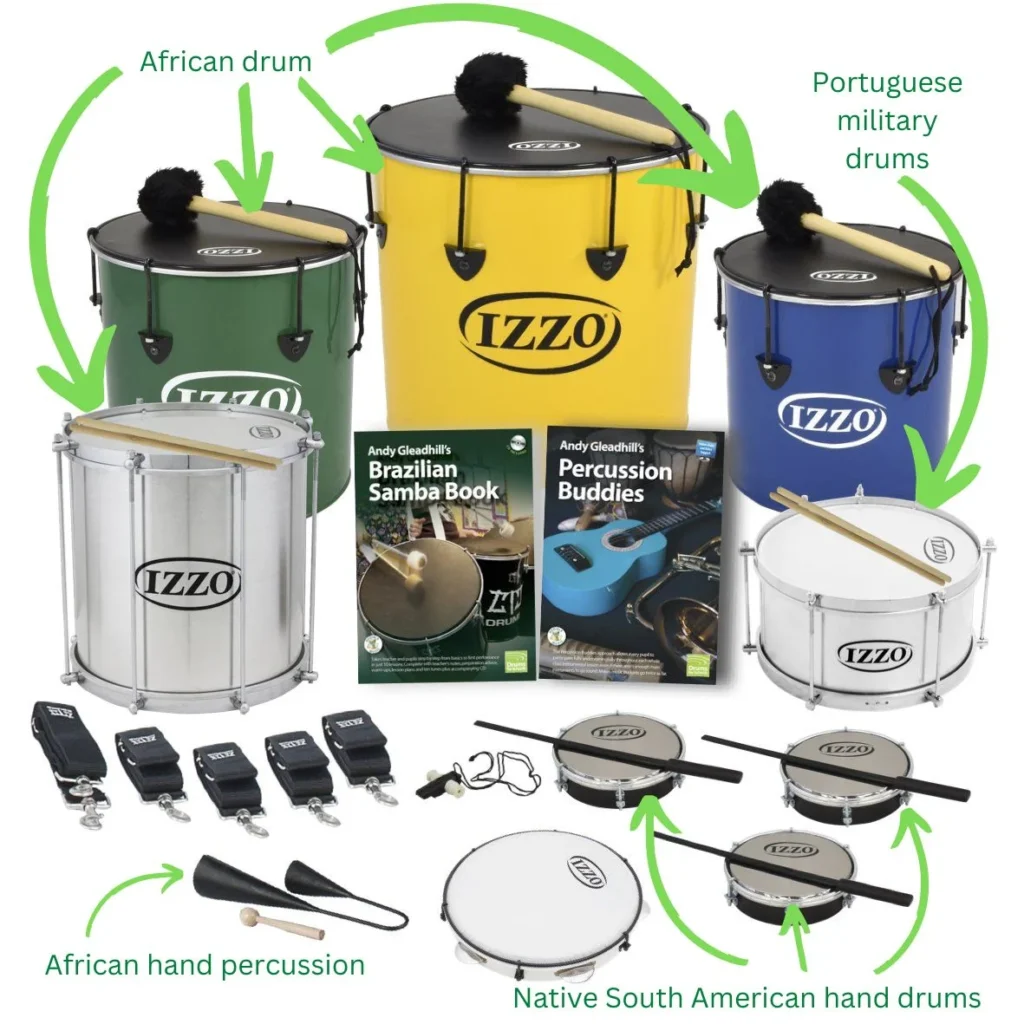
- Indigenous hand drums influenced the tamborim, the small hand-held drum that plays sharp, syncopated rhythms.
- African drums developed into the samba surdos and repiniques, the large and medium drums that carry the main beat.
- African hand percussion became agogo bells, ganza shakers and other samba percussion instruments.
- Portuguese military drums evolved into the samba caixa, a marching snare drum whose crisp patterns cut through the ensemble.
This blend of cultures is at the heart of samba music history and instruments, and it’s one of the reasons samba is such a powerful way to explore diversity and rhythm in the classroom.
Brazilian Samba Music and Carnival – The Sound of Rio
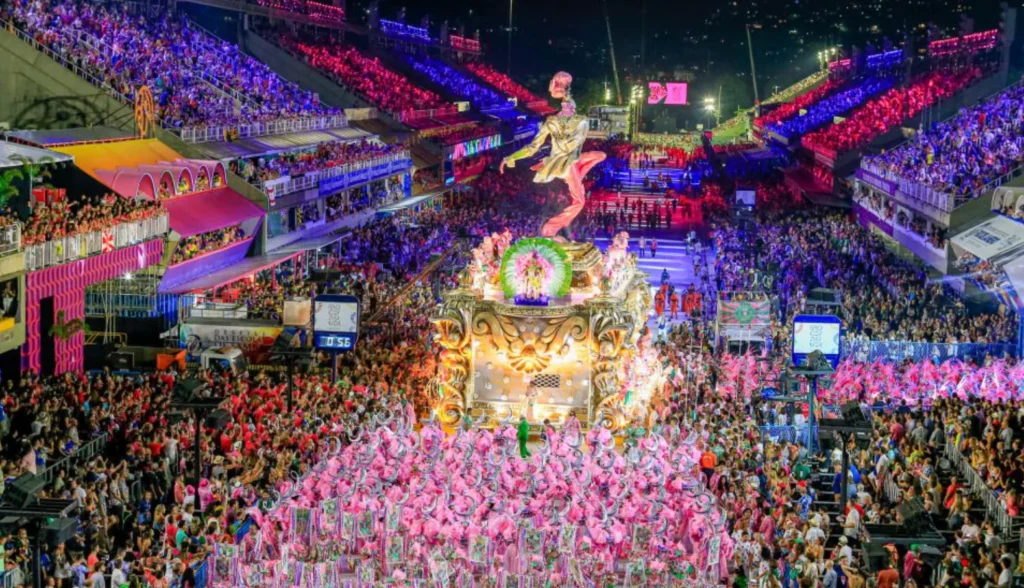
Around the world, Brazilian samba music is best known for the vital role it plays in the Rio Carnival. Once a year, usually between February and March, the streets of Rio fill with colour as samba music becomes the soundtrack to four days of celebrations. Carnival has roots in older folk festivals, but in Brazil it was absorbed into the Catholic calendar and now takes place in the weeks leading up to Easter. This part of the history of Brazilian samba shows how the music moved from local street parties to a symbol of national culture.
During Carnival there are four main days of festivities, and on two of these the samba schools parade. The name “samba school” dates back to the early days of Brazilian samba, when local groups often rehearsed in school yards. It also helped present these community groups as organised and respectable at a time when many people thought sambistas (samba musicians and dancers) were linked with “unsuitable” parts of society. Today, a single samba school can include up to four thousand people, with dancers in elaborate costumes and a huge samba music band of as many as 300 players of Brazilian samba drum music and other samba instruments.
To learn more about how samba music works inside the parade, see our separate article on *The Role of Music in the Rio Carnival*, and for extra background you can also explore our guide to the *History of Carnival in Rio*.
For more on Samba and the Carnival, see our separate article on The Role of Music in the Rio Carnival
See also this article on the History of Carnival in Rio
Samba Music History and Samba in the Modern World
The later stages of samba music history were shaped by new technology. As radios became widely available in Brazil, they carried samba music from local neighbourhoods to the whole country. Regular radio broadcasts helped turn Brazilian samba music into a national sound and gave singers and composers a powerful way to comment on society, politics and everyday life.
In recent decades younger musicians have blended samba with modern styles, creating fresh versions of the traditional Brazilian samba drum music heard at Carnival. You can now find reggae sambas, jungle sambas, drum and bass sambas and dub sambas, all mixing electronic beats and bass lines with classic samba rhythms and instruments. Today, samba is truly global: school samba bands across the UK and around the world use these styles to explore rhythm, culture and creativity in the classroom.
Examples:
Conclusion – Why the History of Samba Music Matters Today
The history of samba music shows how a local street style could grow from painful roots in slavery and inequality into a powerful symbol of joy, identity and resistance. By blending African rhythms, Indigenous South American folk music and Portuguese traditions, Brazilian samba music tells the story of many cultures meeting, clashing and finally creating something new.
For today’s pupils, learning about samba music history and instruments is much more than just playing loud drums. It helps them explore big ideas – migration, diversity, religion, protest and celebration – through sound and movement. A simple samba band made up of surdos, caixas, tamborims and shakers can bring to life topics from history, geography and RE, as well as music.
Whether you are teaching in the UK, the USA or elsewhere, using samba music in the classroom gives students a hands-on way to feel complex rhythms, work together as an ensemble and connect with Brazilian culture. By understanding where Brazilian samba came from – and how it continues to evolve – young musicians can better appreciate why this music still matters so much on the streets of Rio and in school music rooms around the world.
Frequently Asked Questions


